What happened at St Helens’ first Reform-led full council meeting?


Green spaces, flags (again) and some things the Monitor won’t repeat.
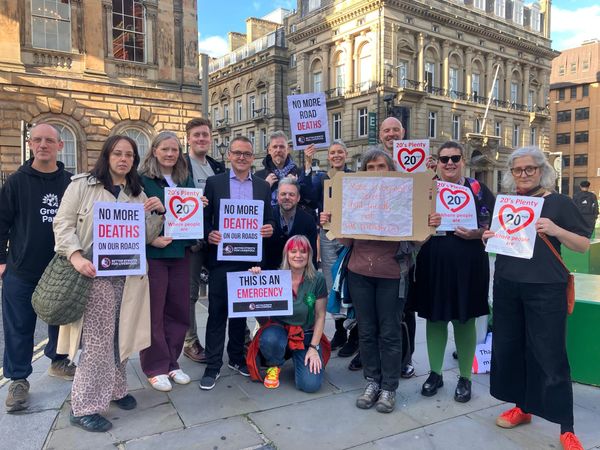
St Helens‘ first proper full council meeting under Reform’s leadership took place on Wednesday at St Helens town hall, with the leader Cllr R. George Woodward appearing to take a few moments before it all kicked off to have a walkabout outside dressed in a cape made of a flag.
In images shared on social media, he could be observed wearing a flag cape while clutching several hand-held flags and flanked at times by what seemed to be security guards.
The outfit appeared to be a reference to the administration‘s new flag policy, which was approved by cabinet this week and you can read all about here. The Monitor may well be mistaken, of course. Perhaps it was just a bold fashion choice.
The image and additional video footage was shared on social media by St Helens Resistance, a Facebook page dedicated to ‘fighting far right ignorance‘ in the borough and beyond, which has repeatedly told incredulous followers the image is indeed real.
We approached St Helens Council for confirmation of the leader’s choice of outerwear before the meeting and it was confirmed by a spokesperson the walkabout with the leader dressed in a flag cape did actually take place.
Update: we have also now since publication received a comment directly from the leader, Cllr Woodward, who said it was ‘wonderful’ to engage with what he called ‘Pride protestors’ prior to the meeting, speaking of ‘healthy debate and engagement’ as a sign of a ‘thriving democracy’, adding that it was ‘nice to match some of their signs, placards, and pride costumes with my Union Jack and hand flags.’
As it turned out, the leader’s choice of top layer clothing outside the building would not be entirely the most remarkable thing to happen at St Helens town hall that day. Having spent years watching and reporting on full council meetings in local authorities across Merseyside, we think it’s fair to say this one had perhaps more unusual moments than many. Here are the Monitor’s curated highlights:
On a wing and a prayer
A relatively high profile choice by Reform in St Helens, which the leader made sure his following on social media was told about, was the decision for the mayor to lead Christian prayers before it all started.
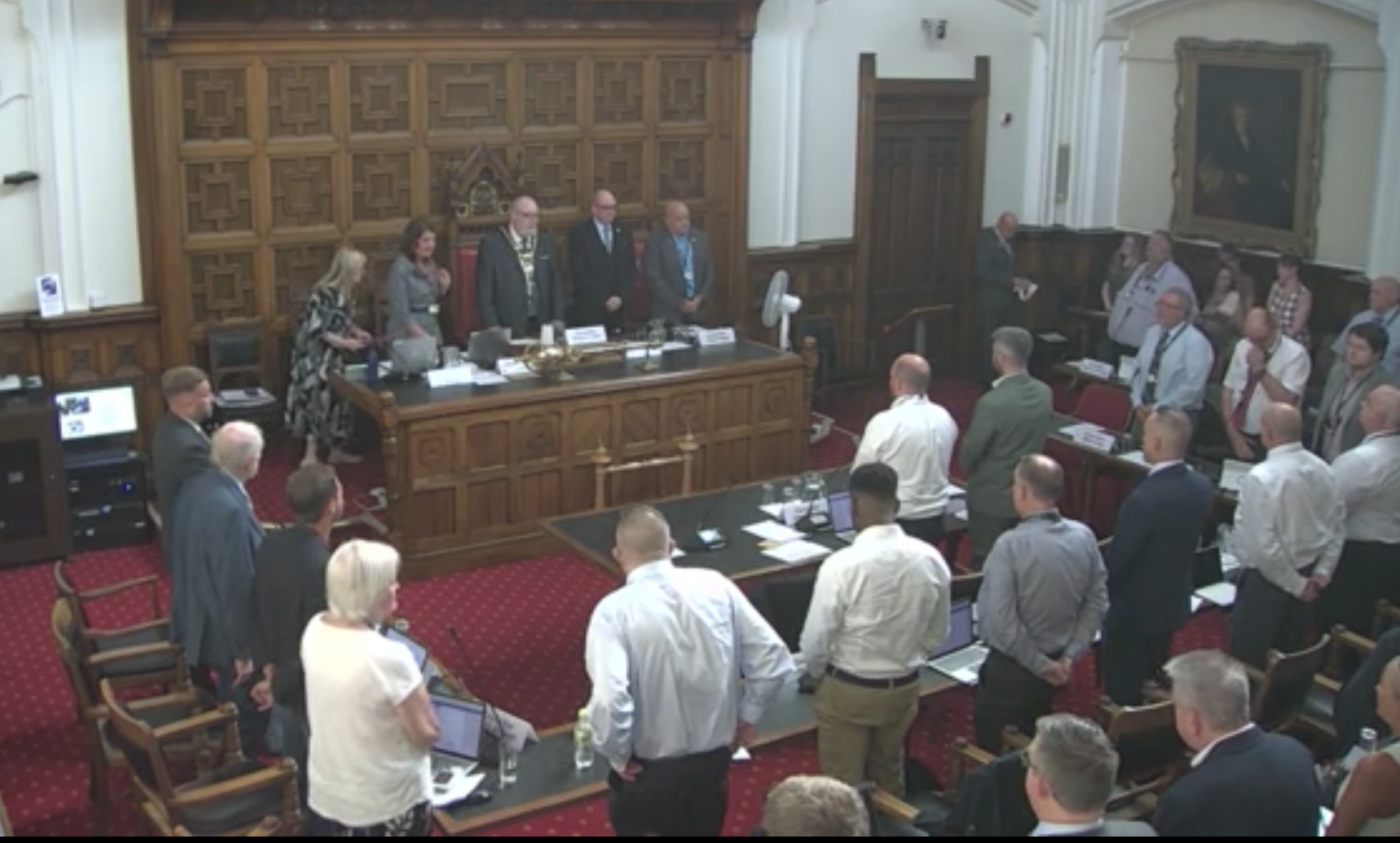
One apparent supporter of the move took to social media yesterday to pre-emptively lobby the Monitor to mention this prayer in our round-up, and we’d like to take this opportunity to thank them for their interest in our reporting.
The request referred in particular to the fact not everyone was in attendance during this element of the pre-meeting. We don’t take the position at the Monitor that it is generally acceptable to try to shame people for whether they publicly pray or not, so we will not be taking up the poster’s suggestions to name names on that one.
We can’t corroborate any of it anyway from the official council recording of the meeting because the prayers didn’t get filmed as they weren’t actually part of the meeting, much like the leader’s caped walkabout before it all took place.
Things the Monitor won’t repeat
One of the more startling aspects of what did occur during the meeting was when the leader spoke at length about two criminal cases, one very much live - or in Contempt of Court law terminology - where proceedings are active.
We aren’t going to repeat those comments and here’s why:
Once criminal proceedings become active, everyone - not just journalists - has to take care about what they say publicly. The law is designed to protect the fairness of the criminal justice system by reducing the risk that comments made outside a courtroom could influence witnesses, potential jurors or the proceedings themselves.
Contempt of Court is what’s known as a strict liability offence. In simple terms, that means it isn’t necessary to intend to interfere with the administration of justice. If material creates a substantial risk of seriously prejudicing active proceedings, there can still be legal consequences.
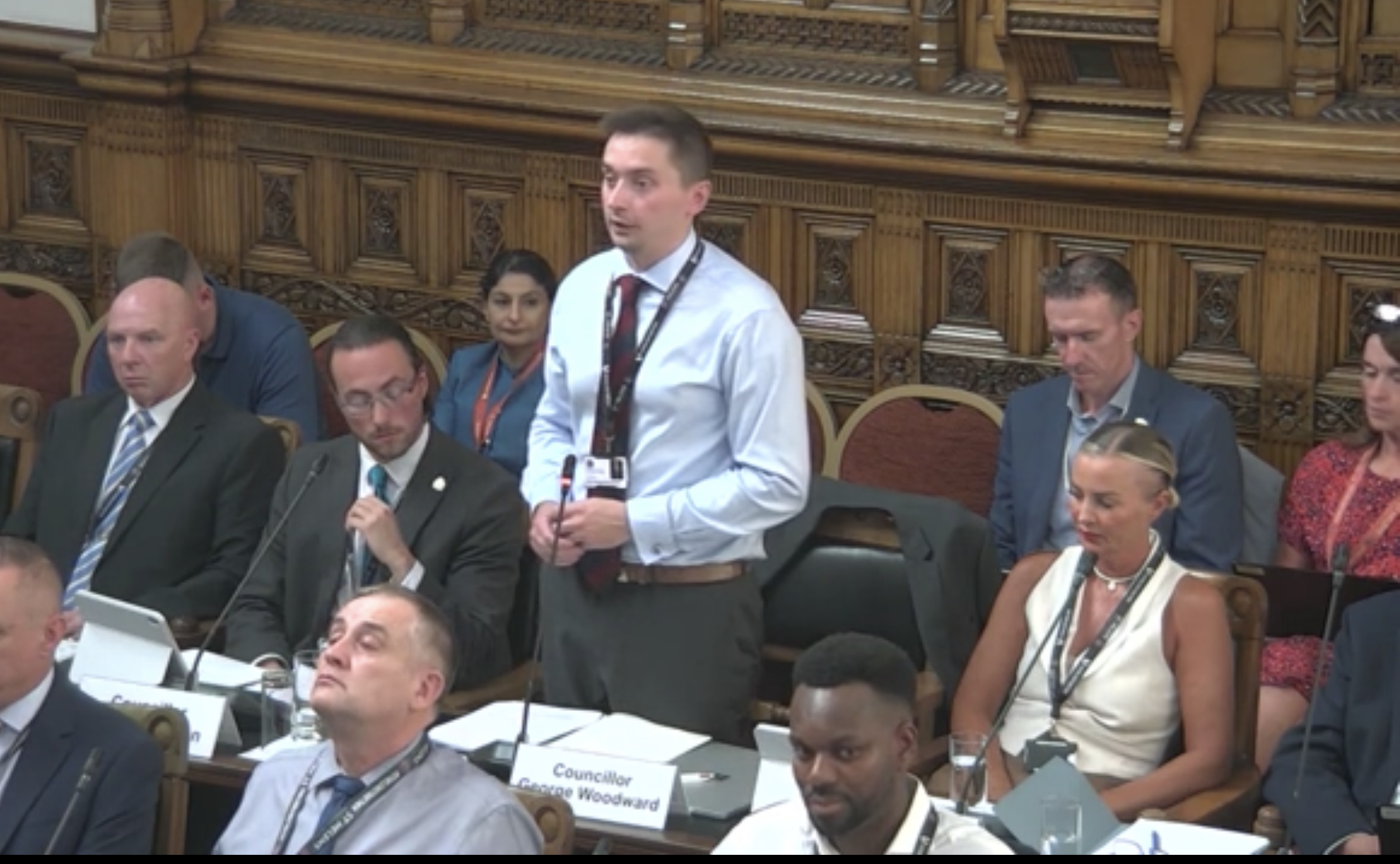
That doesn’t mean nobody can report on criminal cases, far from it, and journalists do every day. But, it does mean there are limits on what can responsibly be repeated before a trial has concluded, or started for that matter. Having considered the remarks made during the meeting, we’ve decided not to reproduce them or any footage of that part of the livestream, which is currently viewable on the council’s website.
We’ve instead asked St Helens Council’s monitoring officer whether legal advice was sought or provided before those comments were made, and what the council’s position is on elected members discussing active criminal proceedings in the council chamber. We have been advised the monitoring officer will not be commenting. We’ve also approached Cllr Woodward for comment.
Looking to make cuts
One of the leader’s statements has direct relevance for people in St Helens and that relates to the administration’s plans to identify what it describes as ‘savings and efficiencies’. Those of us who remember the recent years of austerity may recognise those terms are often a longhand for cuts.
Exactly what those savings will look like remains unclear, but the leader told councillors the ruling group was ‘digging into the finances and trying to find where savings can be made’.
Whether that ultimately means service reductions, restructures, efficiencies or something else remains to be seen, but it’s certainly one of the areas we’ll be keeping the closest eye on over the coming months because it is likely to have a far greater impact on residents’ everyday lives than flag capes or hot microphones (which we’ll come to later).
A political assistant… for what exactly?
One of the more curious exchanges came during a discussion about the Reform administration‘s decision to appoint a political assistant, following a question from a member of the public about value for money.
Political assistants are not unusual in local government. They can be employed to provide political support to the ruling administration and, unlike council officers, are not politically restricted in the way officers are expected to be.
The leader made exactly that distinction during the meeting, arguing that officers were prohibited from taking a political steer whereas political assistants were not. He said appointing one, at a cost of around £200k, would ultimately save taxpayers money by helping councillors scrutinise the finances more effectively.
So far, fairly conventional and perhaps there’s good news - is there £200k of savings right there that the political assistant could identify fairly quickly for future budgets? We shall see, but in any case, it was what came next that may have raised the odd eyebrow.
Contrasting Reform with previous Labour administrations, the leader said a Reform political assistant would help the administration ‘alleviate taxes, protect green space [and] control illegal immigration’.
The first two are plainly political objectives a council administration might pursue. The third is rather more curious. Immigration policy is a matter for central government rather than metropolitan borough councils, so quite what role a political assistant employed by St Helens Council would play in ‘controlling illegal immigration’ was not entirely clear from the discussion.
Backbench MPs?
There was one moment early in the meeting when Westminster appeared to intrude rather literally.
While thanking councillors for their work, the leader appeared to refer to his ‘backbench MPs’ before immediately correcting himself to ‘backbench councillors’.
It was only a fleeting slip of the tongue and was quickly corrected, but it neatly reflected a meeting in which references to national politics repeatedly surfaced during discussions that were, at least on paper, about the business of running St Helens Council.
Whether talking about immigration or what he described as a ‘two-tier society’, there were moments when the chamber felt closer in tone to a kind of version of the House of Commons rather than a metropolitan borough council.
Always check your microphone
A small piece of advice to anyone chairing a council meeting: always check your microphone is switched off before muttering to yourself.
At various points during proceedings, the mayor left his microphone live, meaning those watching the webcast were treated to the odd aside that probably wasn’t intended for public consumption, as well as details of the monitoring officer’s attempts to guide the mayor in chairing the meeting. ‘Ewewewewew’ repeated rather loudly at one point was perhaps the Monitor’s favourite interjection.
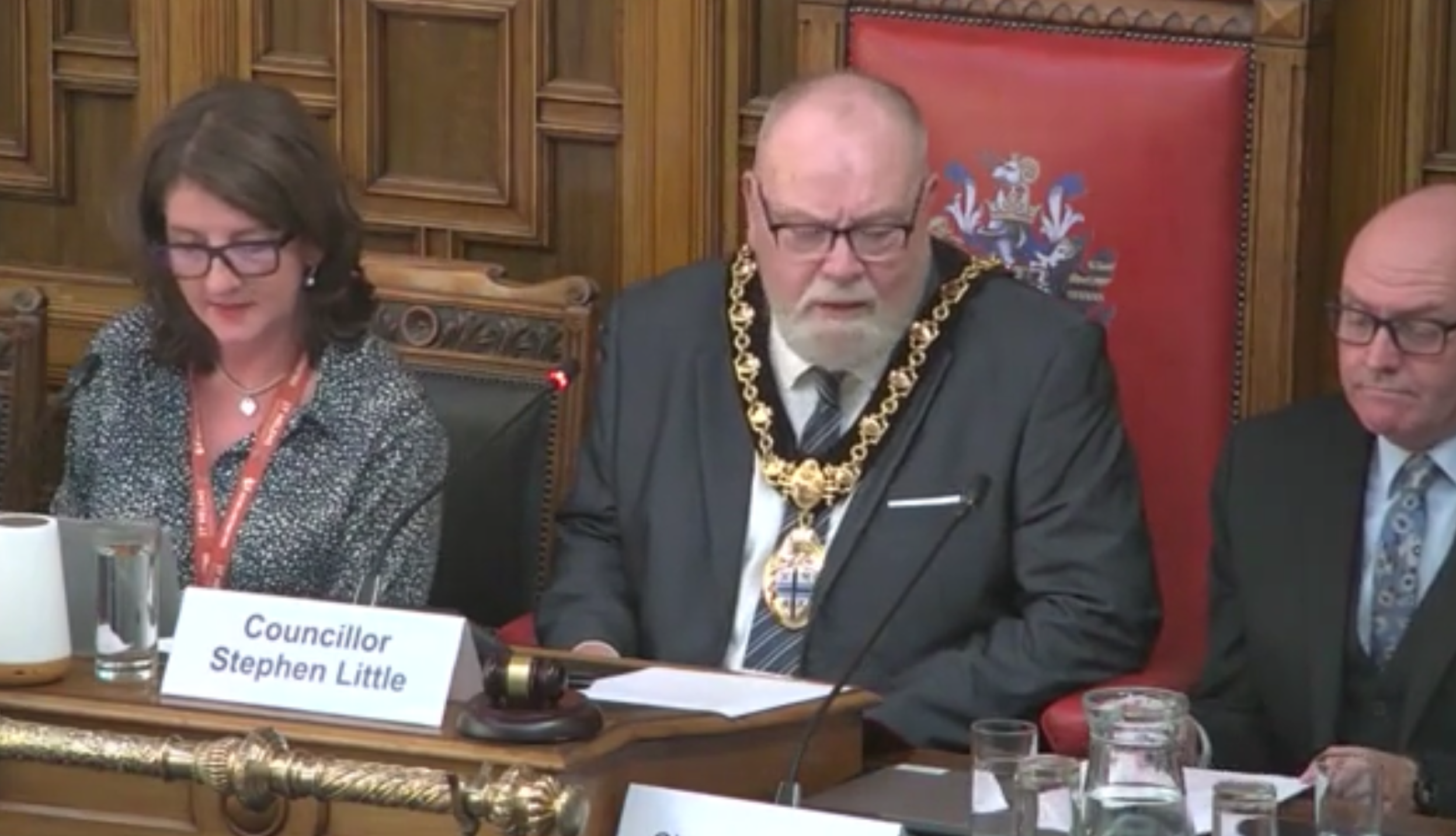
It wasn’t anything particularly dramatic, but it did provide one of those reassuring reminders that, for all the political theatre and prepared speeches, council meetings remain gloriously human affairs.
The meeting also featured a brief bout of procedural confusion over who should speak and when during debate on an amendment. The mayor initially appeared to be following advice from the monitoring officer before an intervention from the leader left proceedings looking rather less certain than they had moments earlier.
It was all resolved in the end, but it did make for an entertaining few minutes in between the lengthy speeches.
In fields we trust …
The meeting ended with an extended and at times passionate debate over Reform’s motion to declare a ‘green space emergency’.
The administration argued revised government housing targets risked forcing development onto green spaces and farmland, while Labour councillors attempted to amend the motion to place greater emphasis on evidence-led planning and avoid constraining future planning decisions.
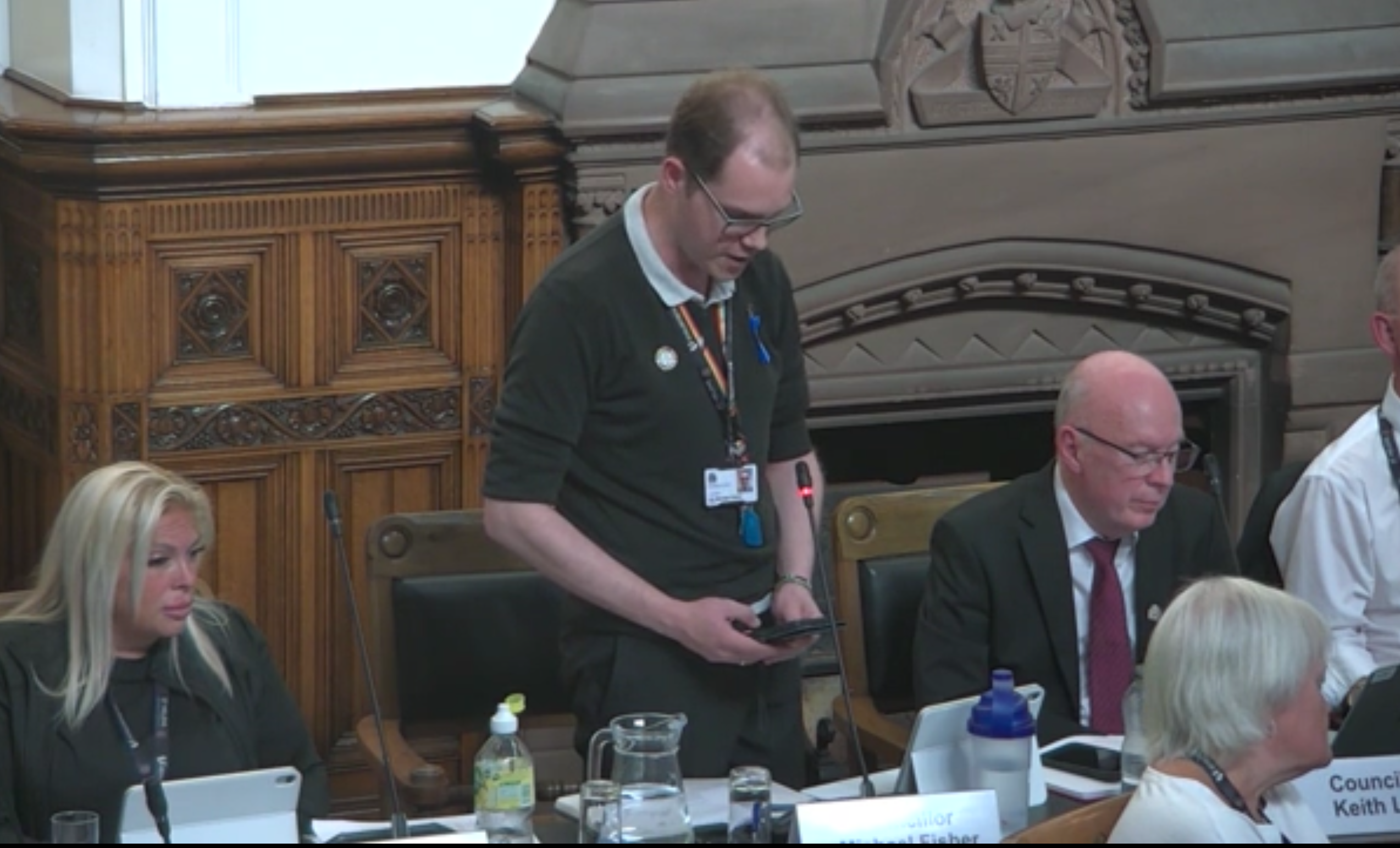
The amendment was rejected, with Reform arguing it would remove the ‘teeth’ from the motion. Councillors instead approved the original motion with only the borough’s much dwindled Labour members voting against (although there’s one more now than there was in May, following recent by-elections).
At one point, the chair of the planning committee, who noted he had to be ‘careful what I say’, referred to what he described as a ‘standard’ housing estate built on what was once a playing field near where he lives, adding that he wished it would go back to being a field again.
We’re not entirely sure if the people living on the estate would agree with the prospect of their homes being removed in some way, and it wasn’t clear from the meeting whether the chair of the planning committee was expressing wider support for a depopulation strategy for the borough and what implications that might have for the impending Local Plan refresh, but it was indeed a notable observation.
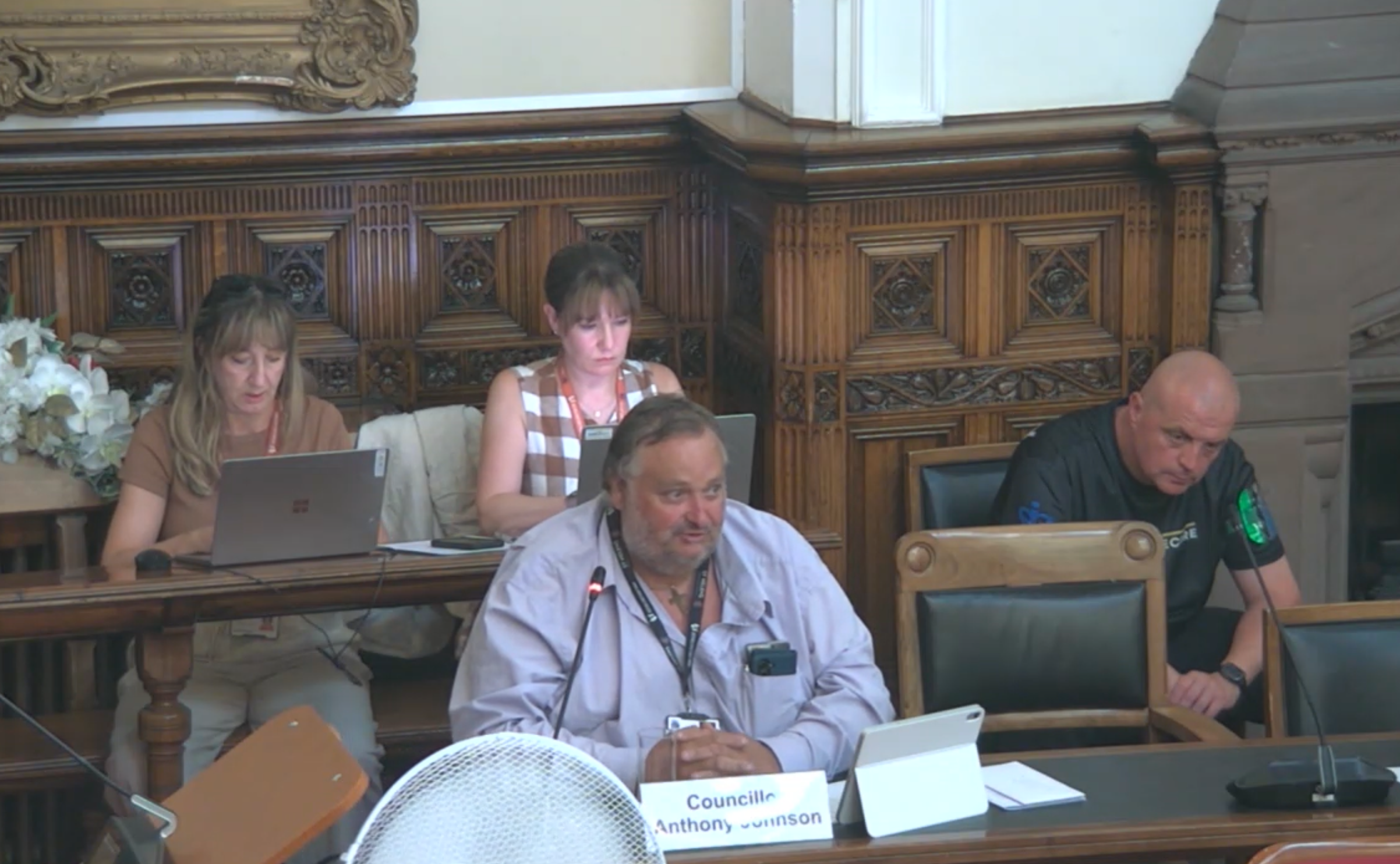
Along the way, there were more references to immigration, government housing targets, and a proposal to place trust deeds or restrictive covenants over council-owned green spaces.
The idea behind such arrangements is to make it much harder for future administrations to build on or dispose of land by creating long-term legal restrictions. Opponents questioned both the legal implications and whether permanently tying the hands of future councils could itself create problems if land were ever needed for public infrastructure or other community uses. In any case, the motion was approved.
It was a debate that neatly illustrated the political direction the new administration wants to take, and one we’re likely to return to here at the Monitor. Whatever people think of the rhetoric, the more interesting question is whether the legal mechanisms being proposed would actually achieve what the administration says they will. We’ll hopefully be taking a closer look at that soon.
*This article has been updated shortly after publication to include comments sent to us on behalf of the leader regarding his sartorial choice outside the meeting.
before you find a housing estate to turn into a field …
Thank you for taking the time to read the Mersey Monitor, we think that makes you very much a part of what we’re doing here and we’re grateful for you supporting open access, independent local public interest journalism on Merseyside.
If you like what you see, please do sign up, you’ll receive an email or two a week and you can then comment on our site. What’s more, it’s all completely free!
What cape would you wear to the town hall? Let us know, we love to chat!
The Monitor is resolutely not for profit, not for paywalls and not for adverts either. To help keep us going, because it all costs time and money to put together, we’re relying on you, dear readers, to help fund us.
Every penny we receive goes towards making the Monitor sustainable and we do need a bit of help. We’re in the process of setting up as a CIC to bake into the way we operate that we exist for community benefit, and registering alone costs over £100 - could you spare a quid or two to help us get off the ground?
You can make a one-off donation by clicking here
You can set up a regular donation by clicking here
Perhaps you could spare a moment to share one of our stories and help spread the message the Monitor is in town?
Or maybe you have ideas for stories we should be looking at? Let us know on 07442 402 023 or at themerseymonitor@outlook.com.