The budget line that sealed Southport aviary’s fate

Who paid attention to the line on page 17?
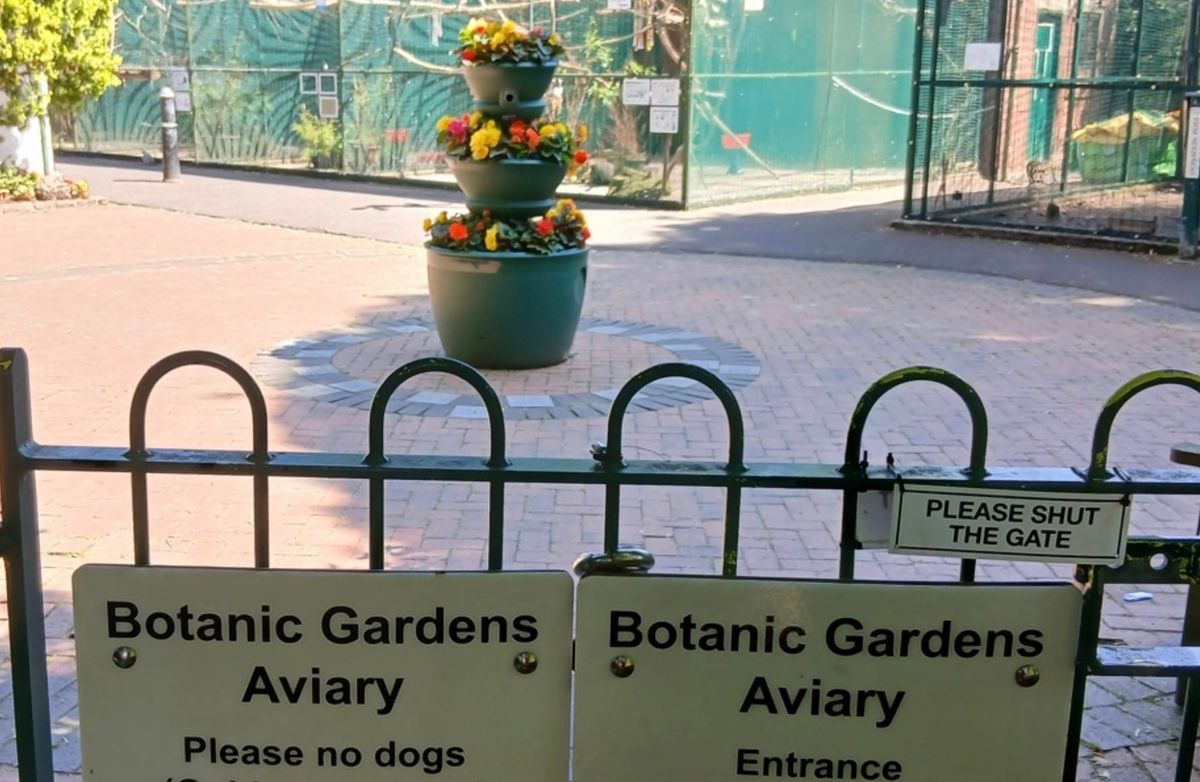
When Sefton Council announced last week that Southport’s 87 year old aviary would close, there was an immediate public backlash. The BBC reported a bird keeper describing the news as a ‘bolt from the blue’, residents were in uproar all over social media, councillors and the local MP voiced concerns and questions multiplied rather quickly.
The council said the decision to close the aviary at Botanic Gardens followed a review of animal welfare guidance alongside concerns about the aviary’s ageing infrastructure.
A statement released on June 30 said it was ‘no longer possible for it to operate to the high welfare standards that are rightly expected of a modern site’ and confirmed every effort would be made to rehome the animals, with euthanasia ‘not… considered at any stage’.
Cabinet member for public health and wellbeing councillor Joanne Williams said: ‘We are proud to have continued running the aviary long after most other councils across the country stopped operating facilities housing animals entirely.

‘It is no longer possible for it to operate to the high welfare standards that are rightly expected of a modern site. For that reason, the decision has been taken to oversee the aviary’s closure.
‘While many will be saddened by this decision, I’d like to assure everyone that the animals’ welfare will continue to be our top priority.
‘I’d like to personally thank everyone who has supported the aviary over the years, including the wonderful staff and volunteers who have cared for the animals on a daily basis.’
But while the announcement explained why the council believed the aviary should close, it did leave residents asking other questions.
Who had made the decision? When had it happened? Why had nobody been asked?
The council’s own FAQs contained a perhaps surprisingly straightforward answer: ‘The Budget was agreed by the Council at a Full Council meeting in February 2026. This included the closure of the aviary as an operational saving measure.’
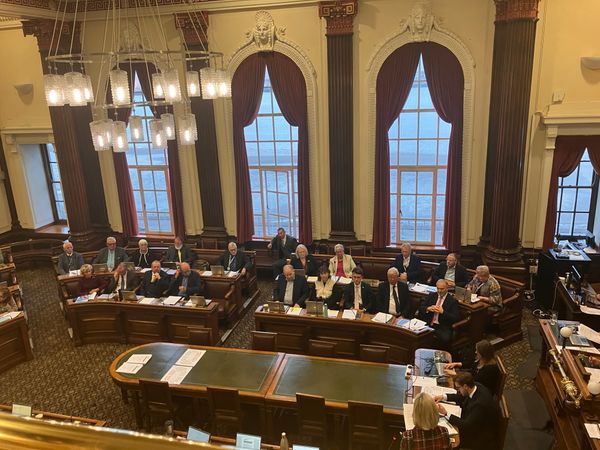
In other words, the decision had not actually been made last week. It had already been approved months earlier as part of the council’s annual budget at a meeting attending by the bulk of the borough’s councillors. That revelation sent the Monitor and no doubt a fair few others back to that February budget report.
And there it was, tucked away on page 17 of the 38-page report, a single line which, at the time, appeared to attract little attention. Next to it sat a projected saving of £60k: ‘Operational In-House Services – Green Sefton – Close Aviary.’
There was no lengthy accompanying explanation, no dedicated report, just a short entry among dozens of budget proposals. Yet thanks to that one little line, when councillors approved Sefton’s wider budget back in February, they also approved the closure of Southport’s Botanic Gardens aviary.
The decision wasn’t hidden, the budget reports were published in advance and debated in public. So how did so few people appear to realise it had even been made at all?
It is easy to see how the proposal might have escaped notice. Unless someone already knew what they were looking for, it was the sort of line that could likely be passed over. Did anyone spot it?
Some councillors may well have noticed the proposal. They may have understood exactly what it meant and supported it. Others may simply have viewed it as one of many operational savings within a budget running to hundreds of millions of pounds. Others of course may have disagreed. From the outside though, it is impossible to know, so we decided to ask.
The Monitor sent questions to around 50 councillors from across the political spectrum who attended the budget meeting, asking whether they had noticed the item on page 17 at the time, understood what it meant and agreed with it. None of the councillors emailed have responded.
We can’t infer anything from that lack of response, perhaps our email ended up in spam, perhaps people were too busy, perhaps others simply didn’t want to answer - there could be a myriad of reasons why we received not a single response.
What is clear perhaps is that if anyone did spot it, it didn’t lead to any public discussion about the aviary before or after the budget was approved until the announcement of June 30.
One of the questions the council’s FAQs addressed was the lack of public consultation, with the council making clear it didn’t consider it necessary: ‘As this was an operational budget decision that was to make savings to the Sefton Council budget, consultation was not sought’.
It also goes a bit further, saying: ‘Public opinion does not change the operational, financial or welfare challenges facing the aviary, as much as the Council appreciates how popular the site is with visitors.’
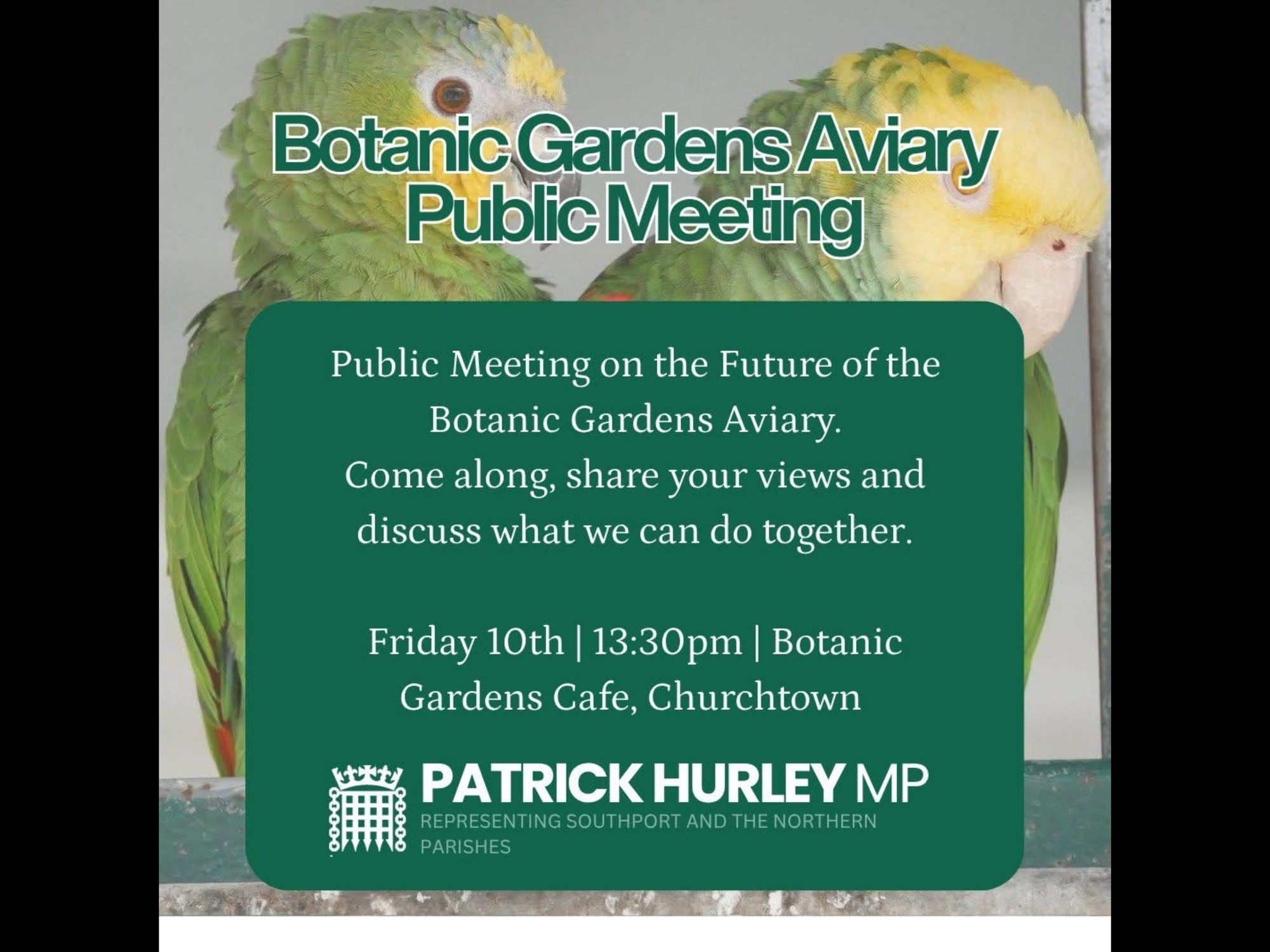
Whether indeed public opinion will ultimately make a jot of difference to the aviary’s fate does perhaps, however, remain to be seen. It seemed potentially relevant for Southport’s Labour MP Patrick Hurley anyway, who said he wants ‘to make sure people have a voice in what happens next’. He has organised a public meeting on July 10 to discuss the aviary’s future and said he has raised residents’ concerns with Sefton Council.
Politicians from across the political spectrum have also publicly criticised the closure. The discussions of course continues apace across social media. It doesn’t look to be an issue going away any time soon.
We put a series of questions to the council as well as council leader Cllr Marion Atkinson and cabinet member Cllr Joanne Williams, asking whether alternative savings were considered before the closure was included in the budget, whether cabinet received an options appraisal and whether the decision could still be revisited.
A Sefton Council spokesperson said: ‘An annual Budget is discussed and passed at a meeting to which all 66 elected members of Sefton Council are invited to attend. The decision to close the aviary was part of the Budget passed this year.’
The spokesperson added: ‘A proposal could be amended in future in the event of a change of situation, though at present the factors leading to the decision regarding the aviary are unchanged.’
Other options were considered, the spokesperson said: ’A potential alternative of seeking expressions of interest from organisations suitably skilled in animal welfare has been considered. However, this was decided against as previous attempts to find a suitably qualified and skilled body in the past yielded nothing. Additionally, even if a new operator was to be found, the same welfare concerns remain, considering the size and condition of the infrastructure.’
We also asked council leader Marion Atkinson and cabinet member Joanne Williams those questions and asked whether they believe the proposal received sufficient public scrutiny before councillors voted on it. We did not receive a response.
Whatever happens next with the aviary, one thing already seems clear. This is not just about whether the aviary should close, it is also about how public decisions are made and, just as importantly, how the public finds out about them.
The council is of course right that the decision was not taken in secret. The budget was debated in public, the reports were published in advance and councillors did voted openly.
Yet, for a proposal that would eventually provoke such widespread public anger it is remarkable that it appears to have passed through that process with little public discussion until months later, when the closure itself was announced.
Whether that represents a failure of communication, scrutiny, political challenge or simply the reality of trying to absorb dense council reports is something readers can judge for themselves.
But it does raise an obvious question: if something as significant as the closure of Southport’s aviary can sit as a single line in a budget report without attracting wider attention, what else is passing through our local authorities in exactly the same way?
Before you fly off…
This is exactly the sort of story the Mersey Monitor exists to find.
We didn’t, however, exist at the time of February’s budget to spot this particular decision. We don’t know if we would have noticed but we like to think we might have.
Local authorities produces thousands of pages of reports every year. Most contain routine business, some contain decisions that matter enormously to local communities, and sometimes, like this, that decision is apparent in just one little line in a much bigger report. Who is reading these reports?
If you think someone should be keeping an eye on them, please consider supporting the Monitor.
A one-off donation helps, and a regular monthly contribution helps even more.
Support the Mersey Monitor here: https://www.merseymonitor.com/#/portal/support
You can also set up a regular donation here: Donate