Cats, rats and political prisms

Our take on last week’s local elections in Merseyside
by Lisa Rand
We haven’t exactly been living under a rock at the Mersey Monitor this past week, so yes, we are aware there have been some fairly significant local elections across parts of Merseyside.
The plan had been for the Monitor to attend counts in both Knowsley and Sefton. Snacks were packed and notes pages prepared. We were ready with the hot takes and thoughtful, witty observations on the strange atmosphere unique to election counts, from the exhausted candidates attempting to look relaxed after weeks of door knocking, to the party activists surviving almost entirely on adrenaline and biscuits and the general air of low level psychological collapse that tends to settle several hours in. Unfortunately, though, life had other plans and our main reporter was unable to make it on the day.
In the circumstances, we briefly considered handing coverage duties over to the furrier and much cuter members of the team (in case you didn’t know, more than half the Monitor team is actually made up of cats) and letting them loose on the laptop to offer their thoughts on what had been unfolding across Knowsley, St Helens and Sefton. We had high hopes for some attempt at astute analysis on the extent to which the elections reflected wider national political trends versus more hyperlocal frustrations.
Sadly, what they produced was just not fit for publication. Much of it focused on Page Moss and contained a frankly astonishing level of hostility toward virtually every candidate on account of repeated promises to tackle the area’s rat problems, making no mention nor even offering the merest hint of congratulations for the Greens which pushed on through to gaining a seat after years of sustained campaigning in the area.

There were also several deeply questionable allegations involving prominent cat food brands, territorial disputes and what appeared to be an attempt to nominate a wheelie bin for council leader.
Still, beneath all the chaos, these elections did feel politically significant and perhaps not entirely in the straightforward way many may have expected. Nationally, the dominant story was clearly Reform and the broader collapse of trust in Labour and the traditional political establishment, as well as the growth of the Greens, becoming a significant political force in parts of the country.
In many places across England, Reform has indeed emerged as the main anti-Labour vehicle, offering a simple and emotionally charged, albeit in the Monitor’s view utterly misleading, political message aimed at voters who increasingly feel ignored, economically anxious or disconnected from mainstream politics altogether, with immigration rather than the inherent unfairness of our social and economic systems positioned at the centre of those frustrations.

That dynamic was certainly visible across parts of Merseyside too, particularly in St Helens where Reform swept to control of the council in what looked very much like a concentrated anti-Labour revolt. But, elsewhere across Sefton and Knowsley, the picture felt much more fragmented than a simple shift rightward, or even leftward for that matter.
Labour undoubtedly took hits and Reform established a stronger foothold in parts of Sefton, but the much trailed collapse of Labour dominance across the borough did not fully materialise. The Greens strengthened and consolidated their position in Waterloo and continued building on years of growing membership and increasingly organised local campaigning elsewhere. The Liberal Democrats also significantly increased representation, particularly in Southport where older civic traditions and similarly long standing anti-Labour voting patterns appeared more resilient to Reform’s heavily and apparently partly offshore billionaire-backed national push.
Then there were the independents and hyperlocal campaigns. In places like Ford ward in Sefton, Halewood and elsewhere across the city region, smaller campaigns with little money, limited infrastructure and few of the advantages enjoyed by larger parties nevertheless appeared to cut through (or get incredibly close) in some areas by focusing less on ideology and more on visibility, neighbourhood identity and that gnawing feeling that local politics itself has become far too aloof and utterly disconnected from people’s concerns in everyday life.
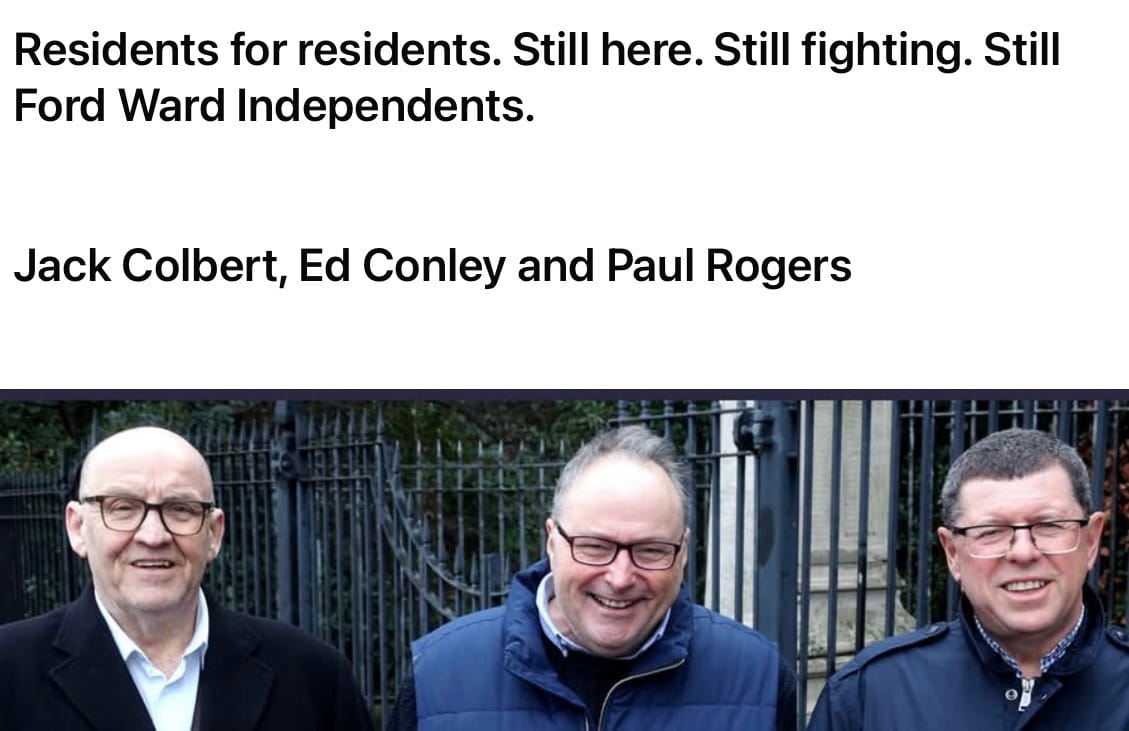
After narrowly missing out on seats in Sefton, Ford Ward Independents, who pushed Reform into third place in the ward, described themselves as ‘residents for residents’ and said the campaign had been about ‘giving residents confidence that they have a voice’. They spoke of a key challenge: ‘No party machine. No huge budget. No army of organisers and imported canvassers’ which also hints perhaps at their emerging strength.
The success of independents across Knowsley and Sefton, even among those who didn’t quite garner enough votes to unseat incumbents, perhaps points to something important sitting underneath these elections on Merseyside: dissatisfaction isn’t consolidating neatly into one political movement. It’s fragmenting into several at once and some of it is concentrating on a fundamental distrust of party machines themselves.
For some voters, Reform currently appears to offer the clearest anti-establishment vehicle, for others the answer clearly lies in organised grassroots activism through parties like the Greens. Elsewhere, liberal politics still retains some resilience, successfully positioning itself as a credible alternative and gaining more than a few extra seats on the benches of Sefton’s town halls in the process. It’s also worth pointing to Sefton’s north-south divide too, seen perhaps more boldly than ever as the political map in the borough is redrawn. There‘s also Maghull, too, often something of an outlier in Sefton politics, which witnessed the resurgence of the community independents, backed by Your Party, gaining six out of seven contested seats.
It is interesting to note though that in some communities the frustration increasingly seems directed not simply at one party or another but at party politics itself.
The results last week across Merseyside did feel less like one political wave and much more like a prism. Distrust, frustration and political energy refracted into different directions, seemingly as largely dependent on the place and the people involved as on the wider national political malaise.
Whether any of those movements ultimately offer a lasting answer is much less clear. What does seem clear though is that old Labour loyalties are indeed weakened across Merseyside, even if they do not quite seem yet beyond repair.
Within the wider party itself of course it’s looking rather bleak, with a swathe of Merseyside MPs joining growing national calls to replace the incumbent and ever unpopular Starmer as prime minister and shift the party decisively leftward, and this week we’ll see how they all get on and whether Starmer’s resurrection of old party stalwarts like Gordon Brown and Harriet Harman has any impact at all on the groundswell of dissatisfaction within as well as with the party.
But whether anyone is yet offering enough of a solution to hold together this increasingly fragmented political landscape still remains the much bigger question, and in the Monitor’s view, one left somewhat unanswered by this election on Merseyside. It’s a question though, we will definitely not be leaving to the cats.
before you go …
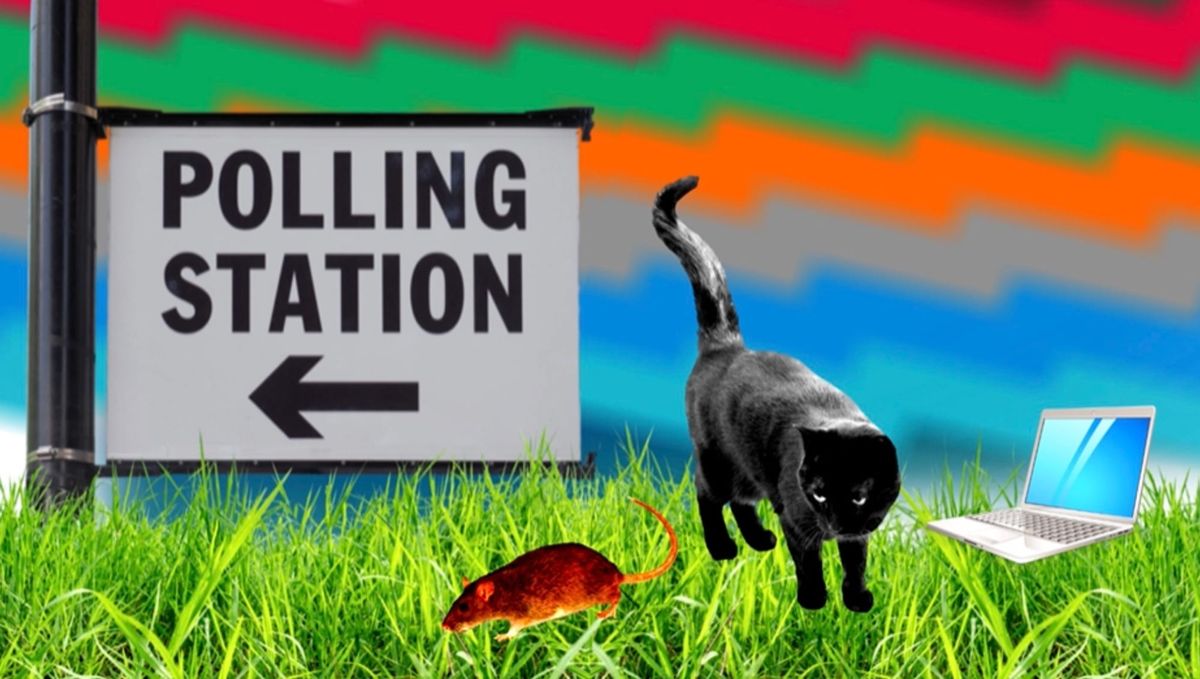
This week we’re delighted to have some relief from the cat caucus at the Monitor, as we’re joined by a member of the younger generation who hopefully can save us from being, in their words, ‘chronically Millennial’. 15-year old Jack is joining us for work experience, and is the creator of this article’s cover image. He’ll hopefully be giving us his take on local democracy later in the week having been dragged along to a few council meetings.
As ever, we’re keen for anyone to get in touch if you can help out in any capacity here at the Monitor, whether that’s story ideas, just by having a nose or if you’ve got the capacity for a small donation. (https://www.merseymonitor.com/#/portal/support)
We’d also like to thank everyone who’s signed up as a member, got in touch and donated to help keep us going. Please also help spread the word that there’s a new publication in town by sharing one of our stories if you‘ve enjoyed our musings. You might just save us from a feline takeover.