Council officers get more powers as planning meetings reduced


Significant changes to the council’s rule book were agreed by councillors
Councillors in Liverpool have agreed to rewrite the local authority rule book in a move that hands more powers to council officers.
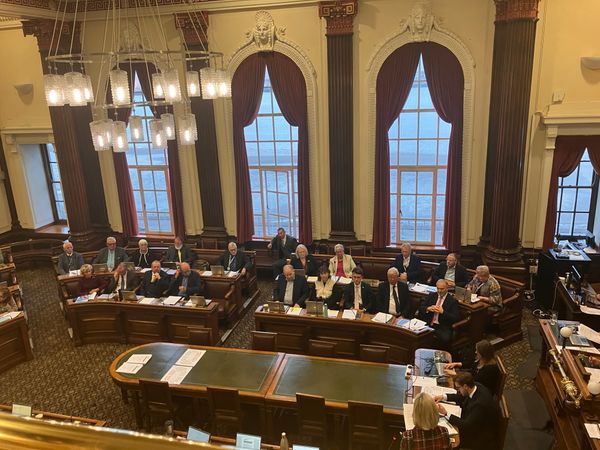
Significant changes to the council’s constitution were approved at an annual meeting of the council held at Liverpool town hall yesterday (May 13). These changes include reducing how often the planning committee, made up of local councillors, meets to discuss applications.
According to council reports produced ahead of the meeting, recent planning meetings have had relatively few items on the agenda because most applications are now decided by officers rather than publicly by councillors themselves. As a result, meetings will reduce from fortnightly to every four weeks.
The council has also agreed to expand officer enforcement powers for planning issues, arguing this will allow quicker action where delays could otherwise cause ‘irreparable harm’.
Rules have also been updated around which officer decisions must be published after previous wording had created ‘ambiguity‘ over the types of decisions covered by transparency rules. The changes mean more decisions are explicitly required to be recorded and published.
There are also changes to do with which powers officers can use without getting approval from councillors, as well as tightening of deadlines for councillors to submit motions and amendments before meetings. The deadline changes come after complaints about late paperwork and last minute amendments, according to a council report.
While the alterations to the rule book are described as aimed an ensuring the ‘constitution remains current, coherent and aligned with legal and governance best practice, while improving clarity, transparency and consistency’, they do also represent a broader shift towards a more officer-led style of decision making at the council.
The Max Caller inspection, which came in the aftermath of former mayor Anderson’s arrest and following an intervention by the then Tory government, had previously criticised weak governance, unclear accountability and poor oversight arrangements inside the council, with work having taken place in recent years under new leadership to address the issues identified.
The changes are part of an ongoing series of measures aimed at reducing governance risks and creating stronger audit trails according to the council, although they do somewhat reduce political involvement in some aspects of decision-making.
The measures had previously been considered by scrutiny and oversight committees at the council before being brought to Wednesday’s full meeting for final sign off. There was no public consultation about the changes because the council considered them to be ‘internal governance matters’.