Fears of reprisals stopping regional NHS staff from speaking up


Less than half of staff within a regional NHS body responsible for planning health services across Cheshire and Merseyside are confident using official internal whistleblowing processes because of fears concerns won’t be acted on or could even lead to reprisals, according to a report due before regional health bosses this week.
A report prepared for NHS Cheshire and Merseyside Integrated Care Board (ICB), which plans and commissions many health services in the area, says a recent internal survey found staff were aware of whistleblowing arrangements but ‘less than half would use it due to fear of inaction and reprisal’.
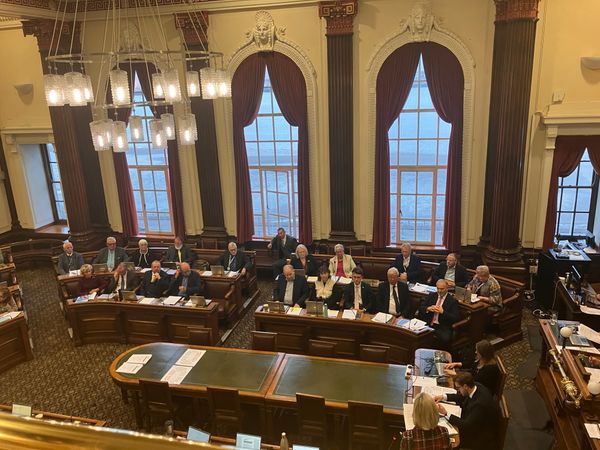
The report, set to go before the ICB board at a meeting in Liverpool on Thursday, adds that the concerns line up with broader findings from a national NHS staff survey.
The NHS ‘Freedom to Speak Up’ system was introduced across the NHS following a 2015 review into whistleblowing and culture within the NHS after the Mid Staffordshire hospital scandal, where widespread failings were identified in patient care as well as concerns raised staff weren’t being listened to when highlighting issues.
The system is aimed at providing NHS staff with a way of raising concerns outside of normal management structures, with designated ‘Freedom to Speak Up Guardians’ acting as independent points of contact.
According to the report, there has been a recent increase in staff using the system, with issues raised through the process more than doubling from 39 in 2024-25 to 96 in 2025-26. It adds that many issues raised related to worker safety and wellbeing.
The report says there still ‘remains much to be done in building trust and confidence’ in the process despite an increase in staff using it. It adds that some ethnically diverse and neurodiverse staff ‘may feel more vulnerable to disadvantage from speaking up than others’. Board members themselves rated the organisation 2.8 out of 5 on whether it understands ‘who isn’t speaking up and why’.
The document also shows that while most staff had completed mandatory training on the issue (93% of staff and 84% of managers), compliance among senior managers for a further follow up module stood much lower at just 63%.
The whistleblowing report will be discussed alongside wider NHS staff survey findings that show declining morale and engagement within the ICB workforce.
According to the staff survey report, NHS Cheshire and Merseyside scored lowest among ICBs on the theme of ‘we have a voice that counts’. It adds that comments from staff pointed to ‘fatigue and uncertainty’ as well as concerns around workload and organisational change, adding there was need for ‘greater confidence that speaking up leads to action’.
The reports are being discussed this week as part of a meeting of the NHS Cheshire and Merseyside ICB and come amid wider organisational change within the NHS, with ICBs across England under pressure to reduce management costs and restructure as part of broader NHS reforms. One of the reports notes that 150 staff are leaving the ICB through voluntary redundancy as part of the wider restructuring, a significant figure given the ICB’s most recent annual report referred to workforce figures of around 1000 staff.
Other items due before the board on Thursday include proposed changes to maternity and gynaecology services in Liverpool, which will be open to public consultation from June, cyber security updates and reports about antimicrobial resistance and infection control, as well as the latest regional finance and performance figures.
The meeting takes place at the Holiday Inn on Lime Street from 1pm on Thursday May 28. Members of the public can attend or watch online from a livestream, with details of how to watch the meeting and the agenda available here.
hang on a sec …
We’d love you to get involved in the Monitor any way you can. Whether you’ve got ideas for stories we should be looking at, are interested in becoming a contributor, or just by taking the time to have a nose, we’re grateful for you being a part of what we’re doing here.
You can always email us in confidence at themerseymonitor@outlook.com or call 07442 402 023.
If you’re not signed up as a member, it’s free and you’ll receive one or two emails a week and can then comment on the site, and we’d like to encourage discussion, so don’t be shy.
If you’d like to make a donation, we’d be very grateful for your support and it will help keep the Monitor sustainable. We don’t - and won’t - have wealthy backers or thirsty shareholders, nor will you find any paywalls cajoling you to stump up to read half an article. We are truly and only reader funded and we’d love your help. Any donation is welcome, and you can do that by clicking here: https://www.merseymonitor.com/#/portal/support
You can also set up a regular donation here: Donate
We have set the donation pages so that we aren’t notified of who has donated, this is to help safeguard editorial independence, but also means we can’t individually thank you for your contributions to help keep the Monitor sustainable. Please know your support means a lot, we appreciate you helping sustain local public interest journalism and helping to ensure free access for all.