Historic epilepsy home could become private clinic

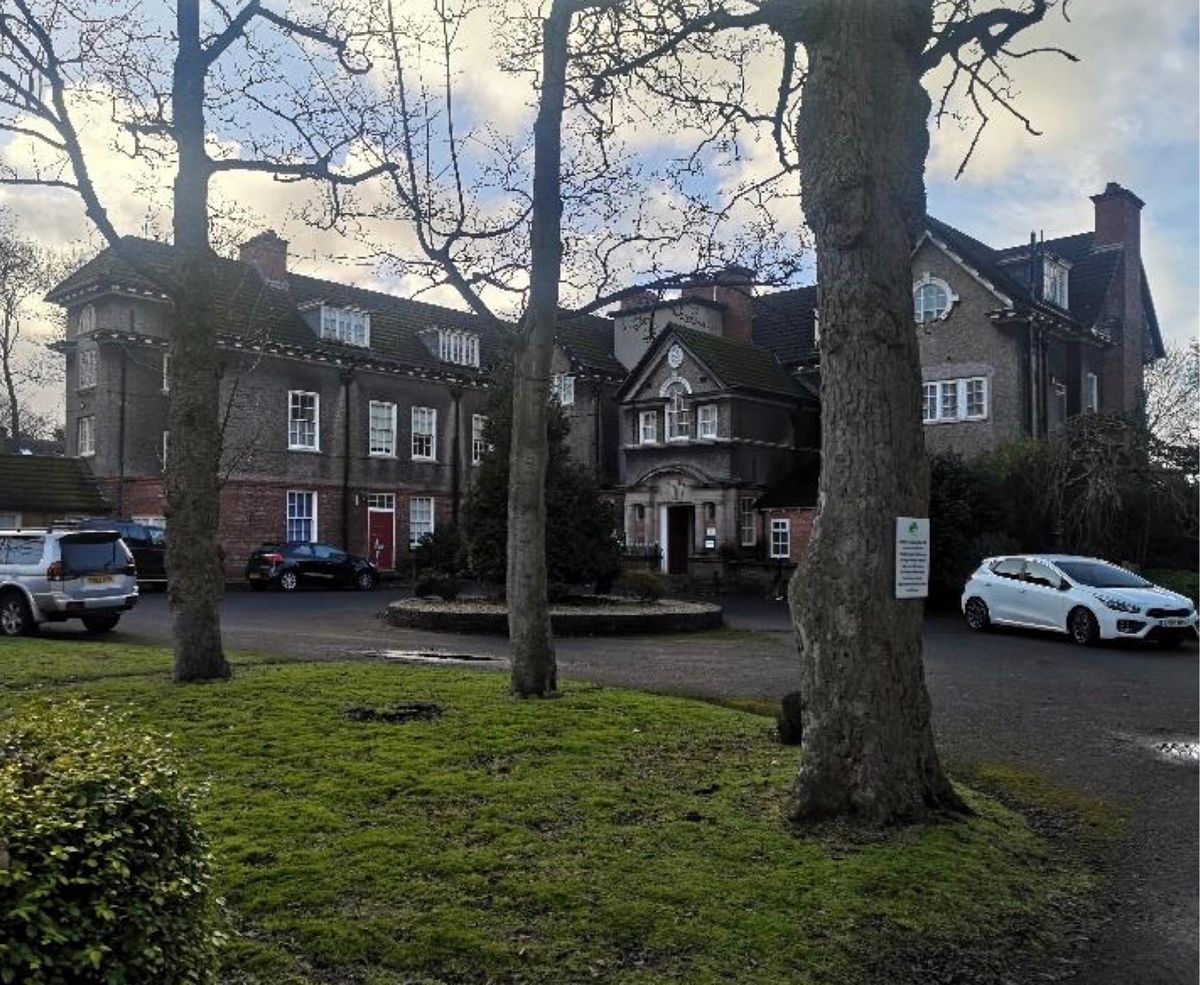
The site has a fascinating history
by Lisa Rand
Plans have been submitted to convert a historic former care home in Maghull into a private clinic.
A planning application lodged with Sefton Council earlier this month is seeking permission to change the use of Harrison House on Liverpool Road South from a disused care home into what is described as a ‘diagnostic and day surgery medical facility’.
The Grade II listed building has a far longer and more unusual medical history, however, than its most recent role as a care home. Originally known as Harrison Home, the site formed part of the wider Maghull Homes community, described by Historic England as ‘the first provision of residential care for people with epilepsy in England’.
Founded in the late 19th century by Liverpool surgeon Dr William Alexander and a group of Liverpool businessmen, the site eventually grew into what was effectively a self-contained village, with accommodation, medical care, education and work all on the same estate, and came into existence at a time when many people with epilepsy faced stigma and exclusion from wider society, with the aim of providing better care and treatment. By the 1970s, the wider estate had grown to include 11 homes as well as a farm, occupation centres, a school and a clubhouse.
Historic England records show that Maghull Homes officials were inspired to set up the facility after a visit to the Bethel epileptic colony in Germany, an institution which had become home to around 3000 people by the late 1880s.
Although Maghull Homes represented a new approach to epilepsy care at the time, records also reveal tensions and inequalities within this new system. For example, patients were separated into different classes of accommodation and care, with poorer residents expected to work in exchange for basic provisions while wealthier patients were offered higher quality facilities and services, as long as they or their families could afford to pay for it.
Historic England records also state how Dr Alexander, who had become interested in working with epileptic patients as resident medical officer in Brownlow Hill workhouse, later became a specialist in new approaches to epilepsy treatments. He had raised concerns about excessive medication of some residents at Bethel and also criticised what he described as an over reliance on religion at the expense of medical treatment.
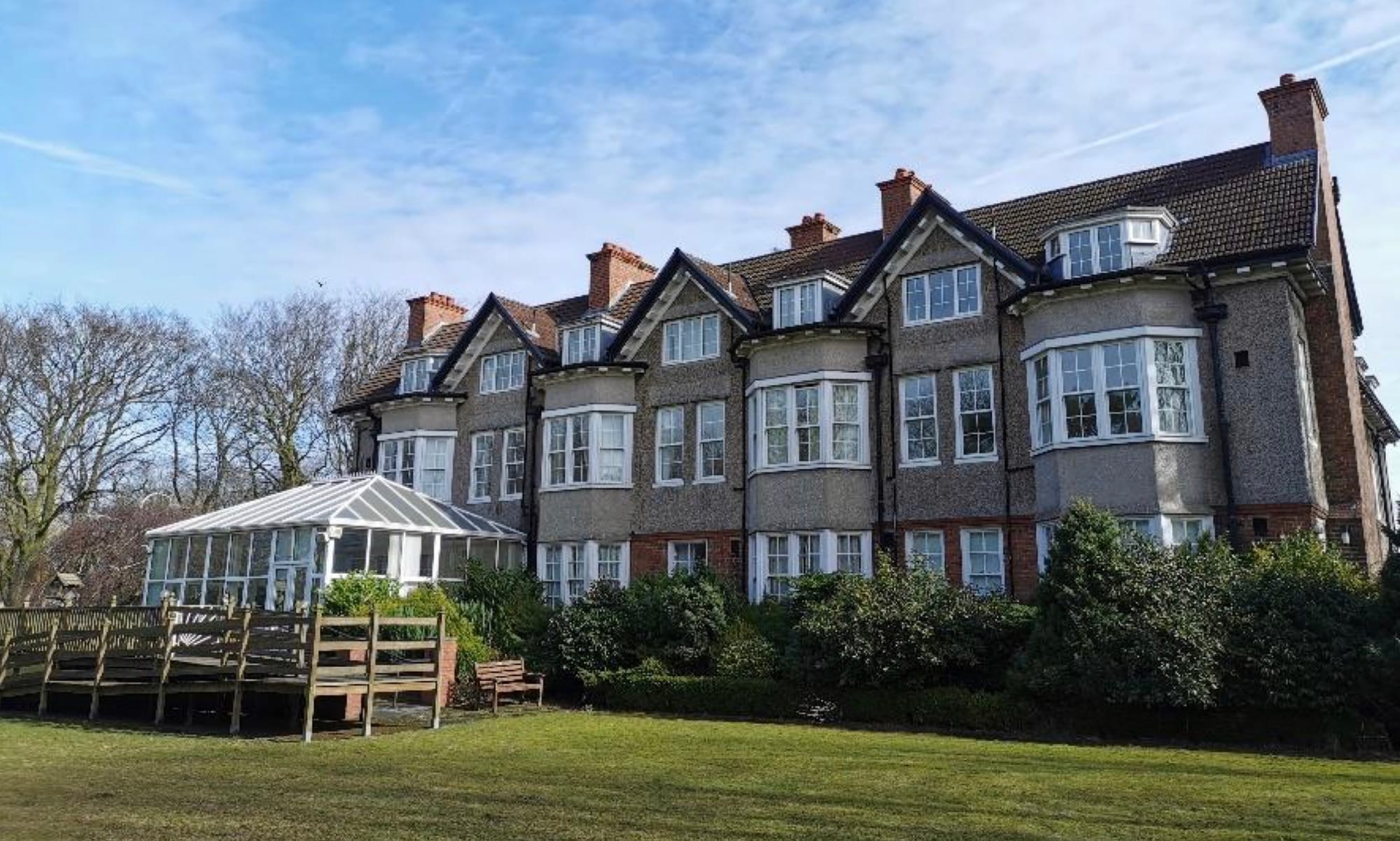
Harrison House itself was originally opened in 1902 for what were described as ‘first-class’ patients, with Historic England noting the building was intended to provide wealthy residents with ‘the comfort to which they were accustomed’, although this was also expanded to provide different levels of care based on financial means.
The Historic England listing also speaks of the building’s architectural significance, describing it as more like a Victorian country villa than a medical institution. It was named after a local shipping company owner, Frederick Harrison, who was also involved in overseeing the home.
Documents submitted to Sefton Council as part of the current application on behalf of Harison House Hospitals (sic) state the proposed new medical clinic would, like the building’s earlier inhabitants, be privately operated, adding that it ‘has the potential to expand overall healthcare provision’.
However, the application does not set out exactly what diagnostic or surgical services would be provided, who would be treated there or indeed who would ultimately operate the facility, stating that ‘final plans for the end occupier are still in development.’
A heritage statement submitted alongside the application says the proposed use would continue the building’s long medical history while requiring few physical changes to the site.
In later decades Maghull Homes evolved into the Parkhaven Trust, which still operates a range of care services across the wider estate as well as elsewhere in the area, although with changes in approaches to epilepsy treatments, residential homes petered out of use during the later part of the 20th century. Harrison House then operated as a dementia care home until around 2016 when residents were moved into newer facilities.
Documents published by Parkhaven at that time said the building had become too difficult and expensive to adapt to modern standards because of limits to do with layout and its listed status.
Plans were also submitted in 2021 by the Mikhail Group, a hospitality company behind venues such as Punch Tarmeys and The Bold Hotel in Southport, to convert the building into a hotel and restaurant, but these plans were later withdrawn.
Under the current proposals no major alterations are planned to the building, with the application focused instead on change of use. The application is currently in the consultation phase, with a deadline for comments of 4 June.