Larks in the Park reimagined taps into 80s music ‘moment’

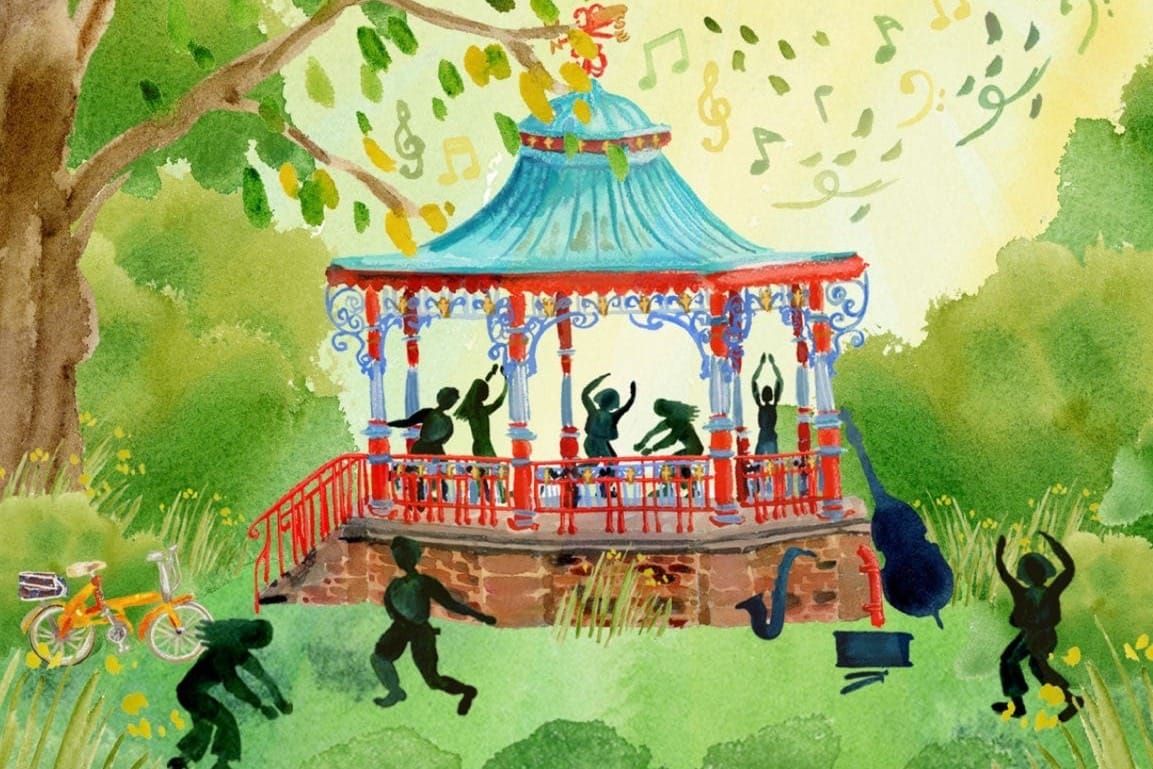
Larks in the Park is being ‘reimagined’ this bank holiday weekend. What made the original so special?
by Lisa Rand
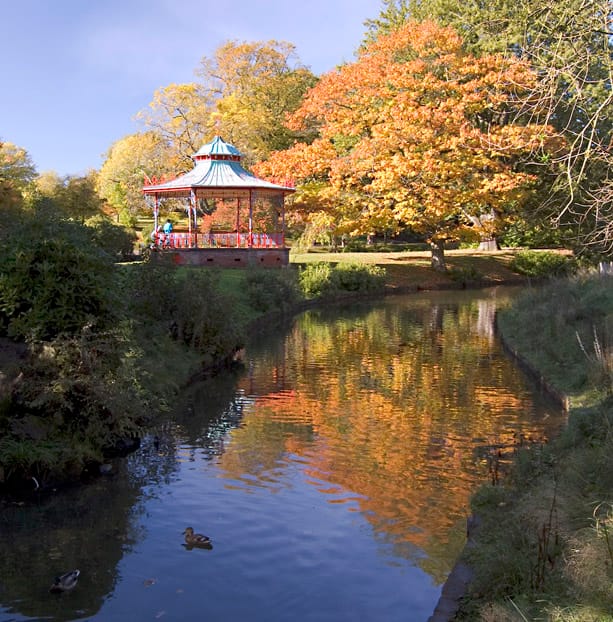
A ‘reimagining’ of Larks in the Park will come to Sefton Park’s bandstand this bank holiday weekend, over 40 years after the events became part of a ‘moment’ in Liverpool’s music folklore.
The new event is being organised by Sole Rebel CIC as part of Liverpool’s Month of Music programme and will include live jazz, tap and dance workshops and performances around the bandstand.
Hannah Ballard from Sole Rebel CIC and event producer for the Larks in the Park events taking place this weekend told the Monitor the idea emerged after conversations around International Tap Dance Day and memories shared by local residents, who still talk about the original gatherings.
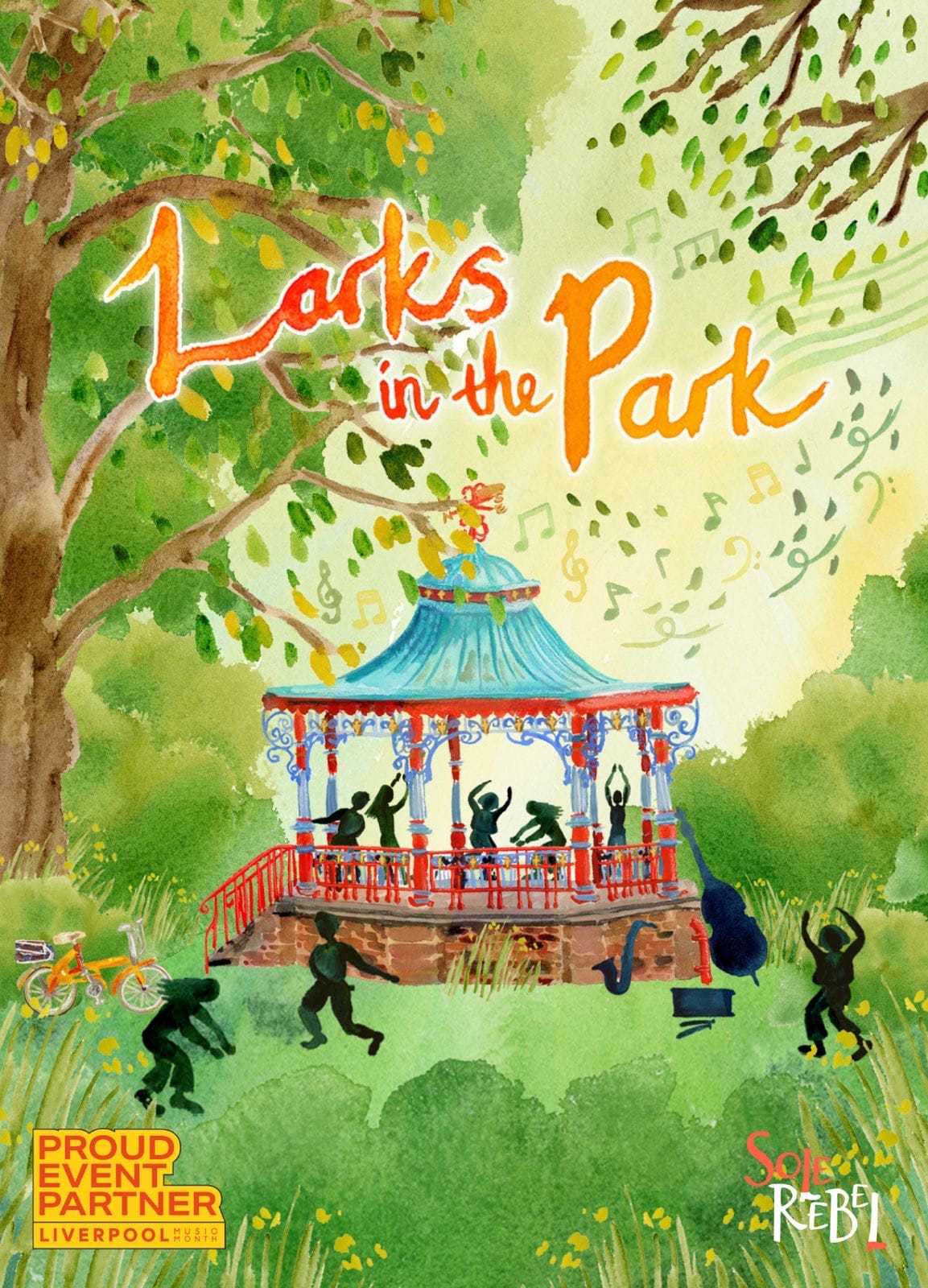
‘I was talking to one of the mums in the community who was telling me about Larks in the Park and how fond she was of the memories of going as a toddler. I looked it up and did some research and saw how big it was. It was such a shame it doesn’t happen anymore because it was grassroots.’
Originally launched around Sefton Park bandstand, Larks in the Park became closely associated with Liverpool’s rapidly expanding independent music scene during the early 1980s. The free August bank holiday gatherings mixed live music, performance and youth culture at a time when hundreds of local bands were emerging across the city. Acts including Echo and the Bunnymen and Frankie Goes to Hollywood appeared during its run before the festival eventually ended in 1985.
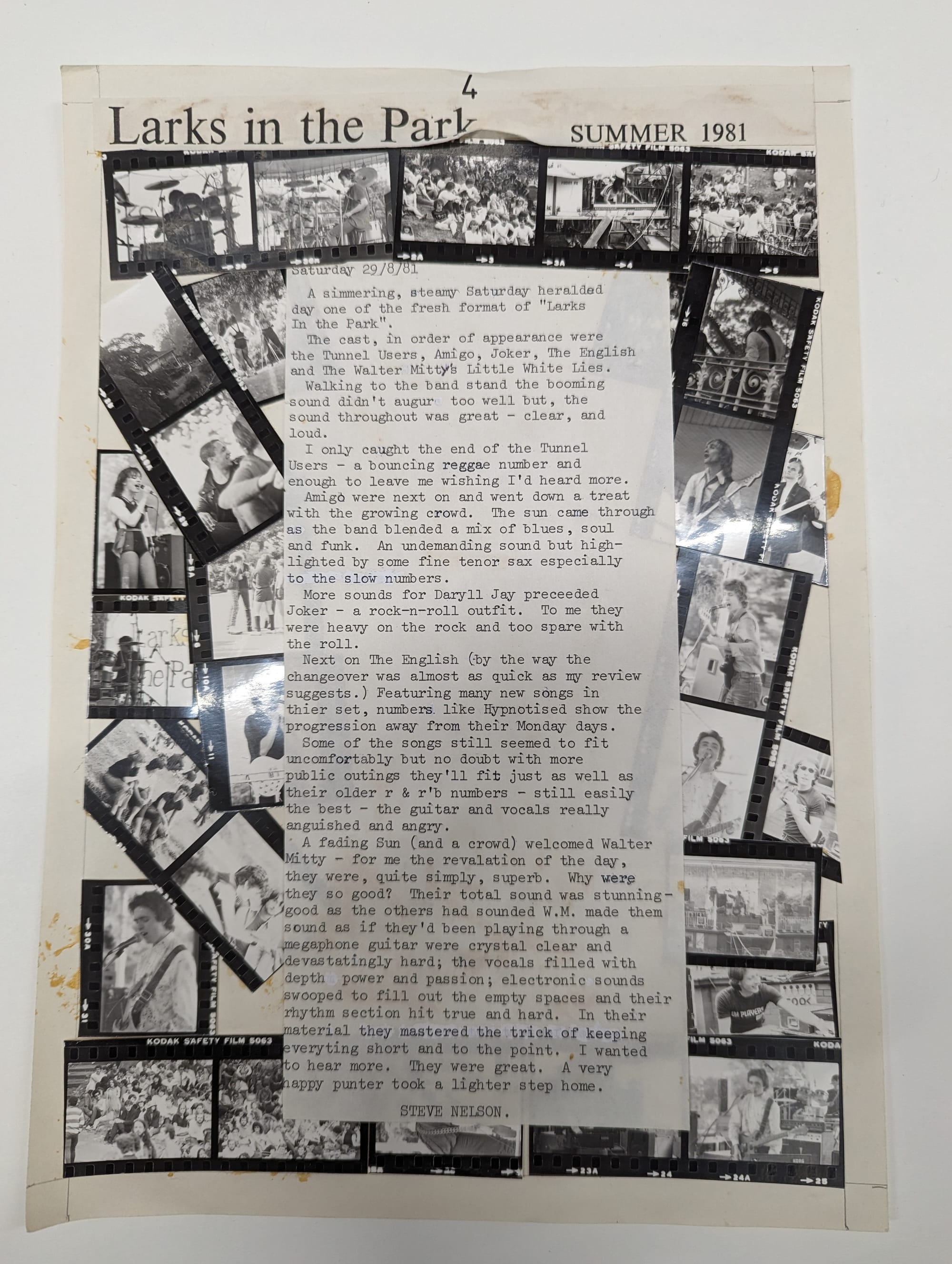
Memories of the original events still circulate among people who attended, such as Liverpool artist Tabitha Moses, who said she remembered going to Larks in the Park with friends as a teenager.
‘I was about 14,’ she said. ‘I probably went in ‘84 or ‘85. I remember going with my friends. It was great to go somewhere local that felt safe. It was in the park, it was daytime, we didn’t have any worries.’ Tabitha said she remembered large crowds gathering around the bandstand during hot weather, with local bands playing as teenagers from across the city gravitated towards the event.
‘I remember it being really crowded and really sunny, people sitting all over the grass and people everywhere,’ she said. ‘It was definitely the place to go. Me and my mate were there and lots of school friends. I’m from Wavertree, so it wasn’t like it was just your local park.’
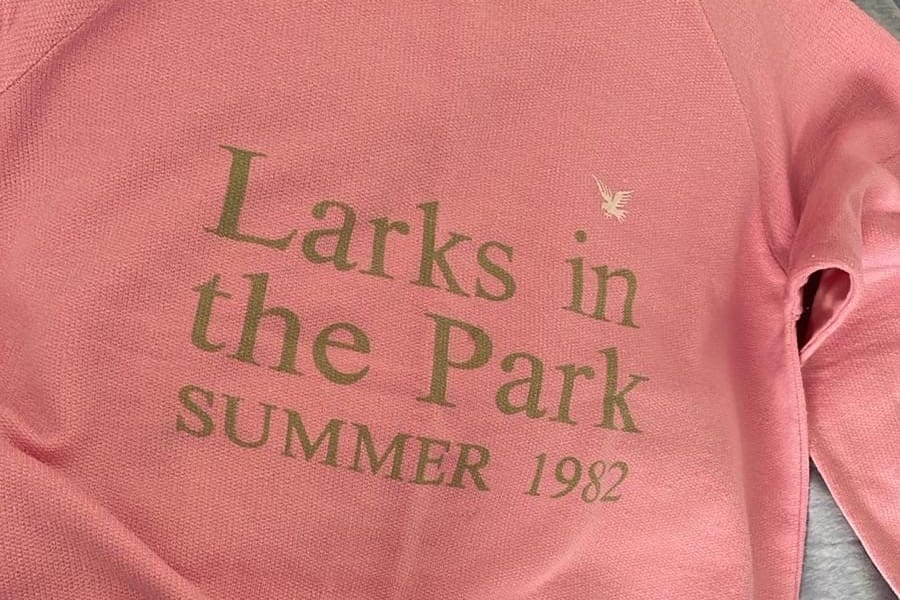
‘We were really into Frankie Goes to Hollywood,’ she said. ‘I can’t remember if I saw them playing or whether we just saw one of them there. I remember seeing somebody off Brookside too.’ Tabitha added that she owns a Larks in the Park jumper dated from the early 1980s, which she recently found in a charity shop just up the road from Sefton Park.
For Roger Hill, who was involved in the original Larks in the Park events during the 1980s but is not involved in this weekend’s revival, the answer to its enduring appeal lies less in the festival itself and more in the wider cultural explosion happening across Liverpool at the time. He told the Monitor ‘it was a moment, not a formula for an event‘.
Material from that era, including references to Larks in the Park in Merseysound magazine, was donated by Roger to form part of the University of Liverpool’s Institute of Popular Music Archive and features in exhibitions at Victoria Gallery & Museum.
Roger said the period was a time when Liverpool’s music and youth culture was exploding with creativity following years of economic decline. ‘You don’t make those moments, they happen underneath you,’ he said. ‘It’s like the tide rises.’
He said the original events had emerged from a broader ecosystem of bands, venues, fanzines, youth theatre, parties and grassroots creativity developing across Liverpool during that period, adding it was a time when ‘radical youth found places where it could go’.
‘Liverpool started in that moment to see itself as a place that could be emulated, and it was self-emulating too,’ he said. ‘Everybody got energised at that time.’
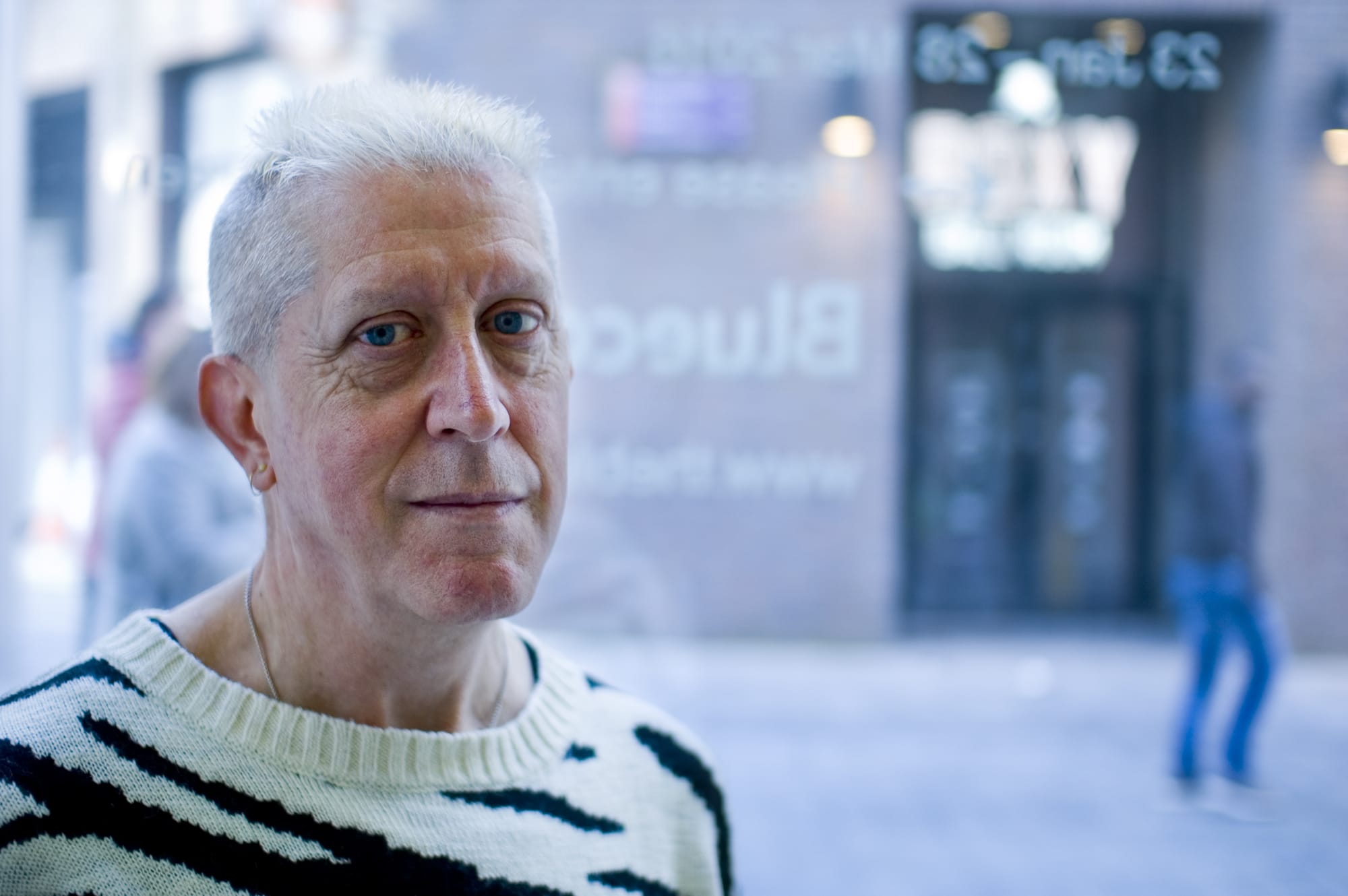
Roger, whose decades of involvement in Liverpool’s creative and cultural scenes has spanned broadcasting, theatre, youth arts and more said the original Larks in the Park scene was energetic and influential but also had limitations of its own, describing it as ‘very white’ and centred largely around aspiring local guitar bands.
He said later events around Sefton Park began to reflect more diverse musical cultures and audiences around the area during the late 1980s and beyond. Roger pointed to Earthbeat and later Africa Oyé, as examples of festivals shaped more strongly by African diaspora and global music and the Black and multicultural communities surrounding the park and wider area.
Roger said Liverpool’s contemporary music scene faces very different pressures to those that existed during the original Larks in the Park era. He spoke of wider financial challenges facing live music events and venues in recent years, including Africa Oyé, which is introducing ticket charges for the first time this year.
As well as struggles around rising costs and venues, there are changing audience habits to contend with: ‘At base we’re trying to get people out of their homes and away from Netflix to places where music is happening,’ he said.
While Roger said it was positive to see people continuing to put on free live music events around the bandstand, he questioned whether Larks in the Park was about the location itself.
‘If we were going to revive the spirit of Larks in the Park, we probably wouldn’t look at the bandstand at all,’ he said, arguing that recreating the atmosphere of the original events meant looking at where ‘the most exciting things are actually happening right now.’ Still, he said he understood why people remained attached to the Larks in the Park name and why organisers might want to revisit it. ‘It’s good to encourage people to go to where music is happening ’, he added.
Roger also reflected on the relatively late rollout of Liverpool’s Month of Music programme, saying meaningful grassroots cultural development also required longer term support.
Liverpool’s Month of Music programme includes gigs, workshops and community-led events across the city, ranging from major festivals to smaller neighbourhood projects. Events linked to the programme include Sound City, Baltic Weekender and a series of grassroots commissions intended to encourage more people to engage with live music across Liverpool.
In promotional material for Liverpool Month of Music, Liverpool Council cabinet member for culture Cllr Harry Doyle said the programme was intended to celebrate the city’s musical identity while supporting activity at different levels of the music scene. He spoke about bringing together ‘artists, venues, communities and visitors’ while showcasing Liverpool music ‘from grassroots to global’as part of a wider programme of events spanning across the year.
Reflecting on her own experiences as a teenager and as a mum today, Tabitha said she believed such free music and cultural events matter a lot for families. ‘I think it’s absolutely brilliant for young people, especially now when there’s fewer and fewer places to go, to have somewhere with music and culture that’s free,’ she said. ‘It becomes a whole family day out.’
She also said she liked the decision to revive the original name rather than create something entirely new. ‘It gives a continuity and reminds people what it was about.’
Hannah said the organisation had originally planned a smaller tap-focused event before receiving last-minute funding through Liverpool’s Month of Music initiative. ‘We’ve literally had about a week,’ she said. ‘It’s going to be a pilot and maybe next year we can develop it more.’ The event will incorporate tap as a part of the music itself as well as dance.
Hannah also spoke of hopes the event could help activate the bandstand space more. ‘It’s so nice for a new generation to stumble across live music in the park,’ she added.
The reimagined Larks in the Park event takes place at Sefton Park bandstand on Sunday 24 and Monday 25 May between 1pm and 5.30pm. Limited spaces are available for the free workshops, which can be booked online through Sole Rebel’s Instagram page.
Here at the Monitor we’re going now to find some dancing shoes to dust off. We’ve made a conscious decision, though, not to look at the weather forecast or make any predictions whatsoever. While at the time of writing we are in fact sitting with sunglasses on, a brolly lies nearby, poking out from behind a bucket of grit. It is bank holiday after all, anything could happen.
You can find out more about the event at Sole Rebel’s page here.
Listings for Liverpool Month of Music events can be found here.
More information about the Institute of Popular Music Merseysound archive is here.
hang on a sec …
We’d love you to get involved in the Monitor any way you can. Whether you’ve got ideas for stories we should be looking at, are interested in becoming a contributor, or just by taking the time to have a nose, we’re grateful for you being a part of what we’re doing here.
You can always email us in confidence at themerseymonitor@outlook.com or call 07442 402 023.
If you’re not signed up as a member, it’s free and you’ll receive one or two emails a week and can then comment on the site, and we’d like to encourage discussion, so don’t be shy.
If you’d like to make a donation, we’d be very grateful for your support and it will help keep the Monitor sustainable. We don’t - and won’t - have wealthy backers or thirsty shareholders, nor will you find any paywalls cajoling you to stump up to read half an article. We are truly and only reader funded and we’d love your help. Any donation is welcome, and you can do that by clicking here: https://www.merseymonitor.com/#/portal/support
You can also set up a regular donation here: Donate
We have set the donation pages so that we aren’t notified of who has donated, this is to help safeguard editorial independence, but also means we can’t individually thank you for your contributions to help keep the Monitor sustainable. Please know your support means a lot, we appreciate you helping sustain local public interest journalism and helping to ensure free access for all.