People in work get first dibs on social housing in new Sefton scheme

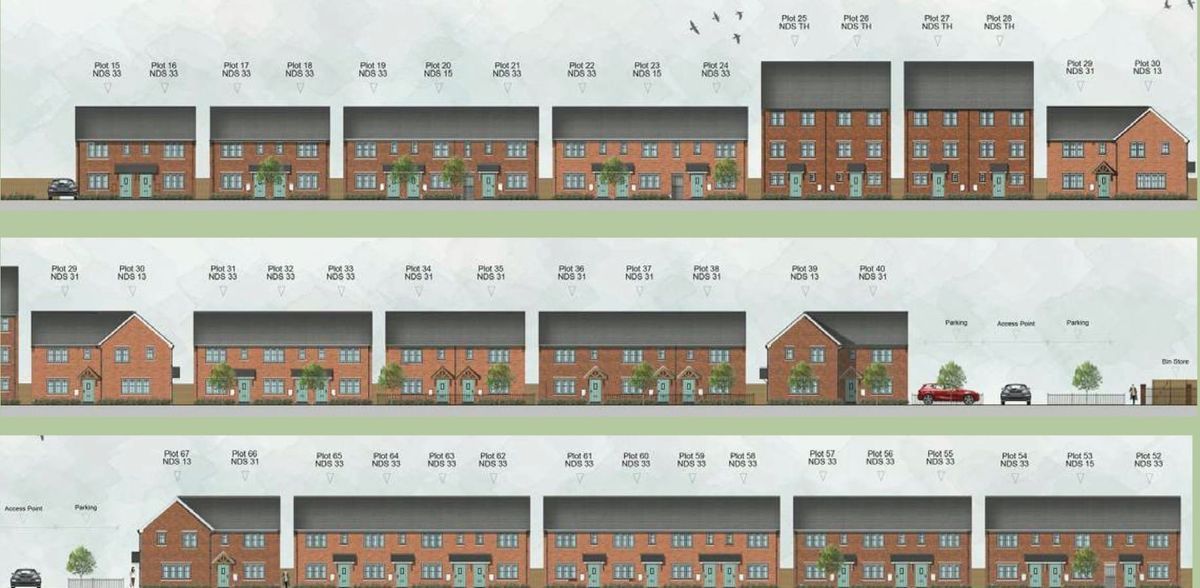
The plan for the well known historic site was approved last month
by Lisa Rand
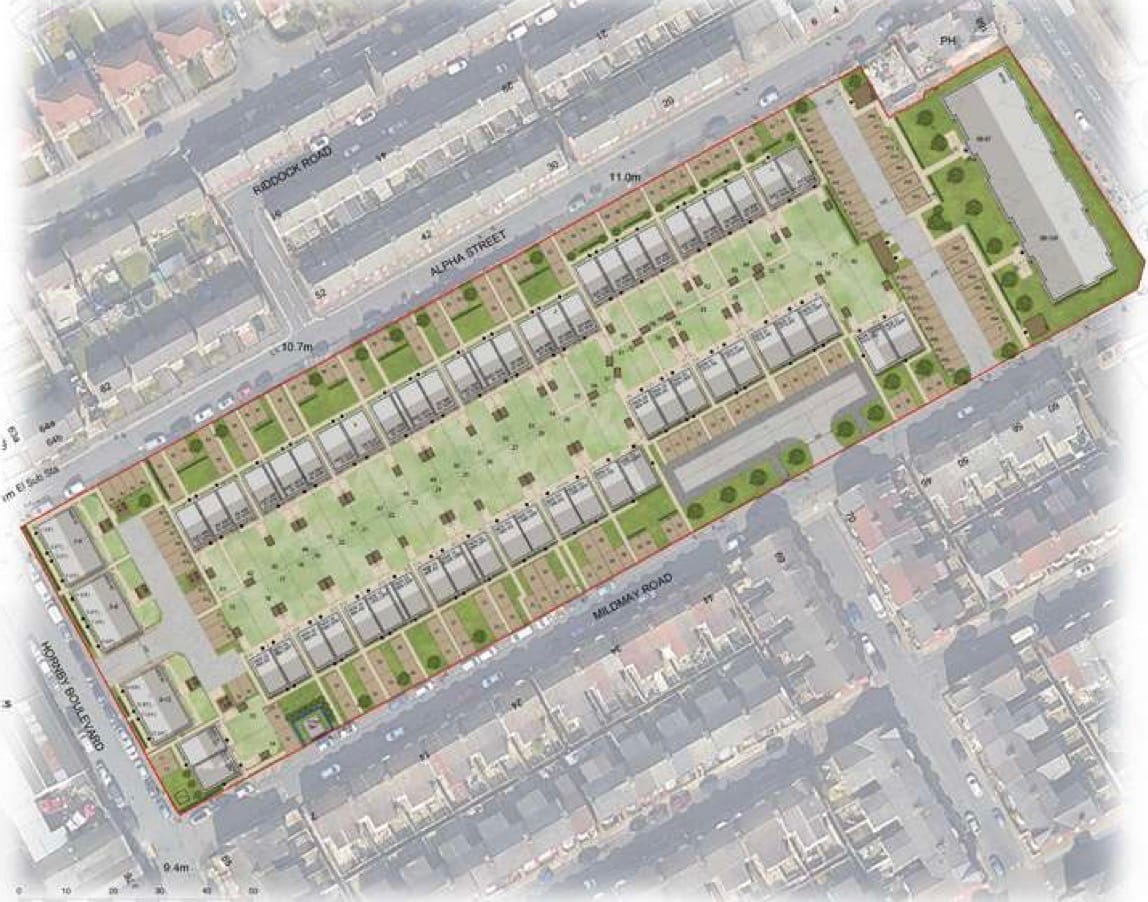
Plans for dozens of new homes on the former Johnsons site off Stanley road come with a separate set of rules about who gets them first and why.
It comes after a decision approved by Sefton’s cabinet member for housing last month, which signs off plans to reduce the amount of social housing for the first phase of development on the site of the former Johnsons Cleaners headquarters.
The number of social rent homes is set to be reduced by 20 in the first phase from 67 to 47, with corresponding changes to the local lettings plan. These changes impact on who will be allocated the homes, ranging from one bed flats to three bed houses.
The updated lettings plan sets out that 60%, around 28 of the homes, will be prioritised for people in work as part of an effort to create what is described as a ‘balanced’ and ‘sustainable’ community.
The remaining 19 homes are aimed at people who can show some form of ‘community contribution’ such as volunteering or being in education.
While applicants are usually prioritised for social housing based on housing need, councils and housing providers can adjust those rules using local lettings plans, which may introduce additional criteria when homes are first let.
They are commonly used on new-build housing schemes, allowing councils and housing providers to tweak the usual allocation rules when a large number of homes are being let at once, and are often used to shape the initial mix of residents in a bid to avoid problems later on.
The Johnsons site was once home to one of the area’s largest industrial employers and had been around for nearly a century before it closed. The land was later acquired by developer Ascot Group, which brought forward an earlier housing scheme in partnership with Sovini that was approved but not built out. Ascot sold the site to Plus Dane in 2024, who are now delivering the current scheme.

The lettings plan changes are not the first time property numbers have been altered for plans at the site. Planning history shows a 123 home scheme was refused in 2021, before a slightly smaller 121 home version was approved in 2022. A further application in 2024 then cut that down again to 104 homes, alongside changes to the types of homes being built, with more of a focus on family housing. The same report also notes a separate legal agreement was updated to reflect changes to the affordable housing mix. That version of the scheme is the one the lettings plan now applies to.
The lettings plan applies to the first round of allocations, meaning it will shape who moves into the development at the outset, before allocations return to standard rules.
An equality impact assessment, which accompanies the plans and looks at how different groups could be affected, states: ‘As Johnsons HQ development is a new development, we want to ensure that we create a balanced and sustainable community from the beginning by identifying suitable tenants who will settle and make a positive contribute to the local community, ensuring tenancies are sustainable for the long term.’
It continues: ‘We can only achieve this by housing a mix of different households, with different lifestyles and economic profiles, whilst at the same time, still providing housing to residents in housing need.’
It states the local lettings plan applies equally to all applicants. However, provision in the plan for people unable to meet priority criteria due to illness or disability appears limited to the 19 community allocations. It does not set out how the employment requirement for the other 28 may affect people unable to work due to illness or disability.
The area has employment levels below the Sefton average, with relatively high levels of economic inactivity, including people unable to work due to long-term illness or disability. This means a larger share of residents may be affected by the plan than would be in some other parts of the borough.
Equality impact assessments are there to be used by councils to consider how policies and decisions may affect different groups, including those with protected characteristics such as disability. They are intended to identify potential disadvantages and ensure these are properly taken into account before decisions are made.
In one place, the equality impact assessment appears to be referring to a different development in Woolton.
The decision is currently subject to call-in, meaning councillors can request for it be scrutinised before final sign off, but if any were planning to, they might need to get their skates on as the deadline for that is May 5.