Top hats, house building and not just another planning meeting


Members of Wirral council are meeting this Thursday - we give you the low down
by Lisa Rand
It’s gone midnight and I’m sitting on my couch imagining what it might feel like to be a representative of the aristocracy at a council meeting. It wasn’t something I expected to be doing, and it doesn’t feel particularly pleasant, but we go where the story takes us here at the Mersey Monitor.
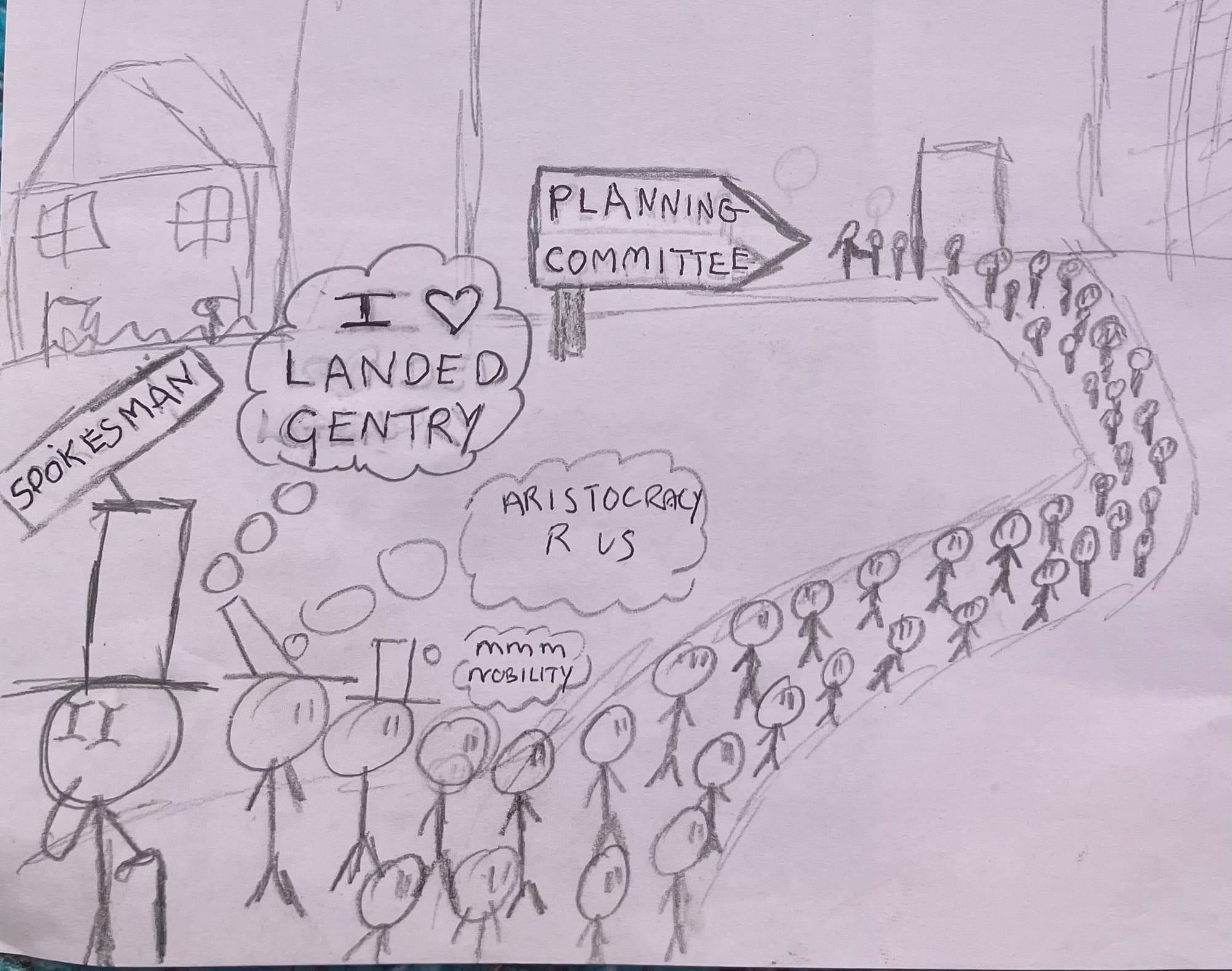
Briefly, it leads to thoughts about whether an association for the aristocracy exists and if it did, and had a spokesperson, would they be an aristocrat or a commoner? Would there be separate chapters for the landed gentry and the nobility, or would they all just bump along together in one big group of mutual self-interest? Would there be lots of top hats?
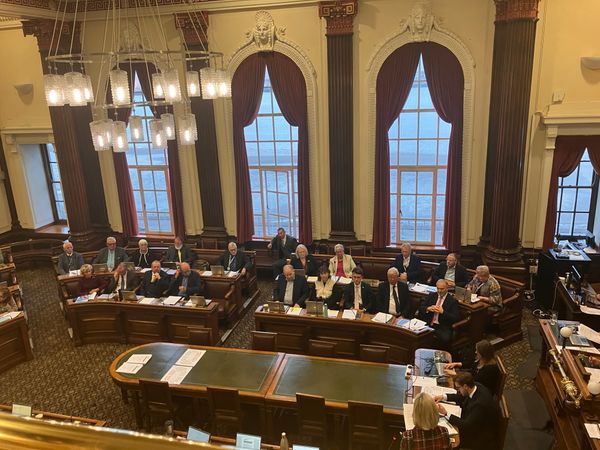
In any case, these midnight musings were all the fault of an upcoming gathering of Wirral Council’s planning committee and that is because on Thursday, councillors are meeting to go through three years’ worth of brownfield registers.
Local authorities have had to keep registers of previously developed sites which are suitable for new housing since the introduction of a 2016 law aimed at strong-arming councils into being more pro development. Wirral’s first brownfield register came out in 2017.
The idea behind the register is to simplify the process for developers, who would otherwise have to look for suitable sites themselves. Councils are required to update it annually and the register is available to the public.
The reason there are currently three years’ worth to get through in Wirral is because, since 2023, they’ve been in a draft state while the council was getting its Local Plan approved - a long and laborious process fraught with challenges.
The Local Plan is an important and pretty hefty planning document councils have to produce periodically, which sets out policies for future development and has to be signed off by a national body, the Planning Inspectorate.
After years of wrangling, Wirral’s latest Local Plan was approved last year with no small fanfare. And it was quite a big deal: a brownfield-only plan that some local authorities could merely dream of and probably the first of its kind in the country.
Having a brownfield-only Local Plan means that the council intends for house-building to take place on land which has already been previously developed, not on any parts of the greenbelt. It’s a significant move, because the plan has weight when officers or councillors are mulling whether to approve or reject a proposed development, helping bake in protection of the greenbelt alongside national legislation.
The challenges the council had to its brownfield focus didn’t come so much from Wirral’s various political parties. Unusually, they appeared to speak in something of a united voice at times about their respective desires to save the glorious greenbelt. Well, sort of: they certainly weren’t all united on being united about it, though, even within their own parties, meaning politics was restored to its usually fractious state quickly enough.
The main challenges to the burgeoning Plan came mostly from the Leverhulme Estate. Set up by the last of the Leverhulme Viscounts and managed by family trustees since the death of Viscount Philip Lever in 2000, the estate owns around a quarter of Wirral’s greenbelt.
In recent years, Leverhulme Estate has tried to take the council to task over objections to plans to build housing on some of its greenbelt land. It has made repeated attempts to budge that bold red line so its ‘master plan’ for parts of leafy south Wirral could become a reality. But despite a series of high-profile court challenges and a battle over the Local Plan, it has so far had little success.
All of which gives the discussion of the borough’s brownfield registers on Thursday that little bit of extra significance. The lists effectively furnish the council with part of an evidential basis that brownfield-only development is actually doable on the Wirral, which Leverhulme Estate argued unsuccessfully against.
The most recent list includes nearly 150 sites, such as former warehouses, grassy areas near existing housing estates, derelict pubs and strips of land between rows of houses, together representing over 9,000 potential new homes. While there have been some additions and removals on the 2025 register for various reasons, 66 plots do remain from its 2024 incarnation.
Inclusion in this list, called Part 1 of the register, doesn’t mean any of the sites will get built on, just that they are deemed suitable for redevelopment. Council officers have said they’re not planning on adding any at this point into the perhaps more contentious Part 2 of the register.
Part 2 is a list councils can populate with details of sites the local authority would give planning approval to in principle for particular quantities of houses. Putting sites into Part 2 would mean the council doing some of the heavy lifting developers usually do, and pay for, as part of the planning approval process. This includes ‘statutory procedures around publicity, consultation and notification’, according to the report.
After years of funding pressures to the point where most local authorities can just about run their statutory functions, with Wirral being no exception (the borough also has a few additional financial challenges of its own) it may come as no surprise perhaps that chucking cash and officer time at what would otherwise be developers’ work didn’t exactly appeal to the council.
It remains to be seen whether any councillors on the committee take issue with any of this at Thursday’s meeting, or what politics may or may not come into play.
The Mersey Monitor will be taking a look at the meeting and we’ll keep you updated on what went down - including whether any of my entirely fictitious spokespeople for the equally fictitious and completely silly Association of Aristocratic Interests, decide to put in an appearance (and if they did, whether any were wearing a top hat).
One more thing … we don’t mind the fact we’re a bit homespun here at the Monitor, and in the spirit of which I’m delighted to share my daughter’s artistic impression of what such a meeting might look like. I do have to take the blame for the atrocious handwriting, and I very much admire her optimism about the turnout (or maybe they’re all running away?) - Either way, I hope you enjoy her pic as much as we did: