A ‘hornet’s nest’, an incredibly long train and unauthorised additives
What isn’t happening across Merseyside this week?


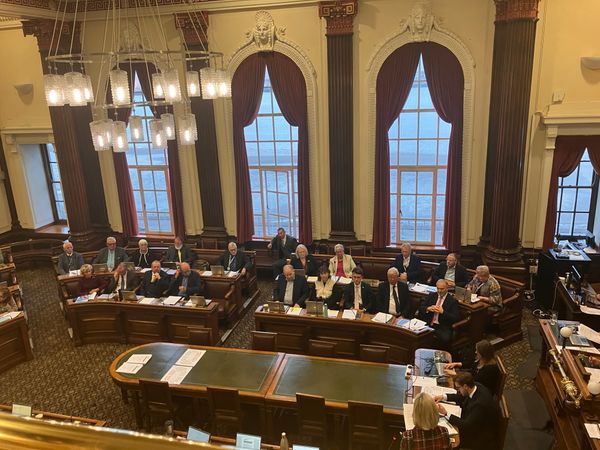
There’s been a lot of talk about St Helens these past few days, something the leader of St Helens Council seems like he might be quite pleased about, having announced on Friday that he’d kicked ‘the hornet’s nest’ after instructing the council there would be ‘no observing’ of Black History Month this year.
The move followed earlier similar pronouncements from Cllr George Woodward in relation to Pride and Refugee Week, part of what he calls his battle against ‘subversive woke nonsense’.
We wrote about this on Friday, after getting a comment from the council clarifying some of what this might actually mean in practice and, based on what they’ve said, it doesn’t look like it means very much.
You can read about that here:
 Lisa Rand
As much as the leader may have enjoyed the backlash to his pronouncements, ‘Reform Meet Reality’ remains the take home message as we see it.
Local councils operate according to constitutions, policies, procedures and laws and, for all the rhetoric coming from the leader, the practical consequences for the local authority have so far tended to be somewhat less dramatic. It’s worth bearing this in mind as we make our way through the term in office of this particular administration.
Is the jury out?
It’s not always entirely clear the leader is clear what he’s saying anyway. Following a question on BBC Radio Merseyside on Friday about whether the council would commemorate Holocaust Memorial Day, Cllr Woodward initially appeared uncertain, saying the ‘jury‘s out on that’ before later backtracking and saying the council would be observing it.
Woodward later took to social media to blame the pesky media for leaving him confused about what his party’s position actually was on acknowledging and remembering the murder of six million Jews, as well as millions of others persecuted and murdered by the Nazis, including Roma and Sinti people, disabled people and others who didn’t fit the Nazi conception of a humanity worth valuing. Easy thing to get confused about, it seems.
Who would have thought it from the man who once told The News Agents that standing at an airport arrivals border and seeing ‘a lot of people coming in’ was one of the moments that inspired his ultimate involvement with Reform?
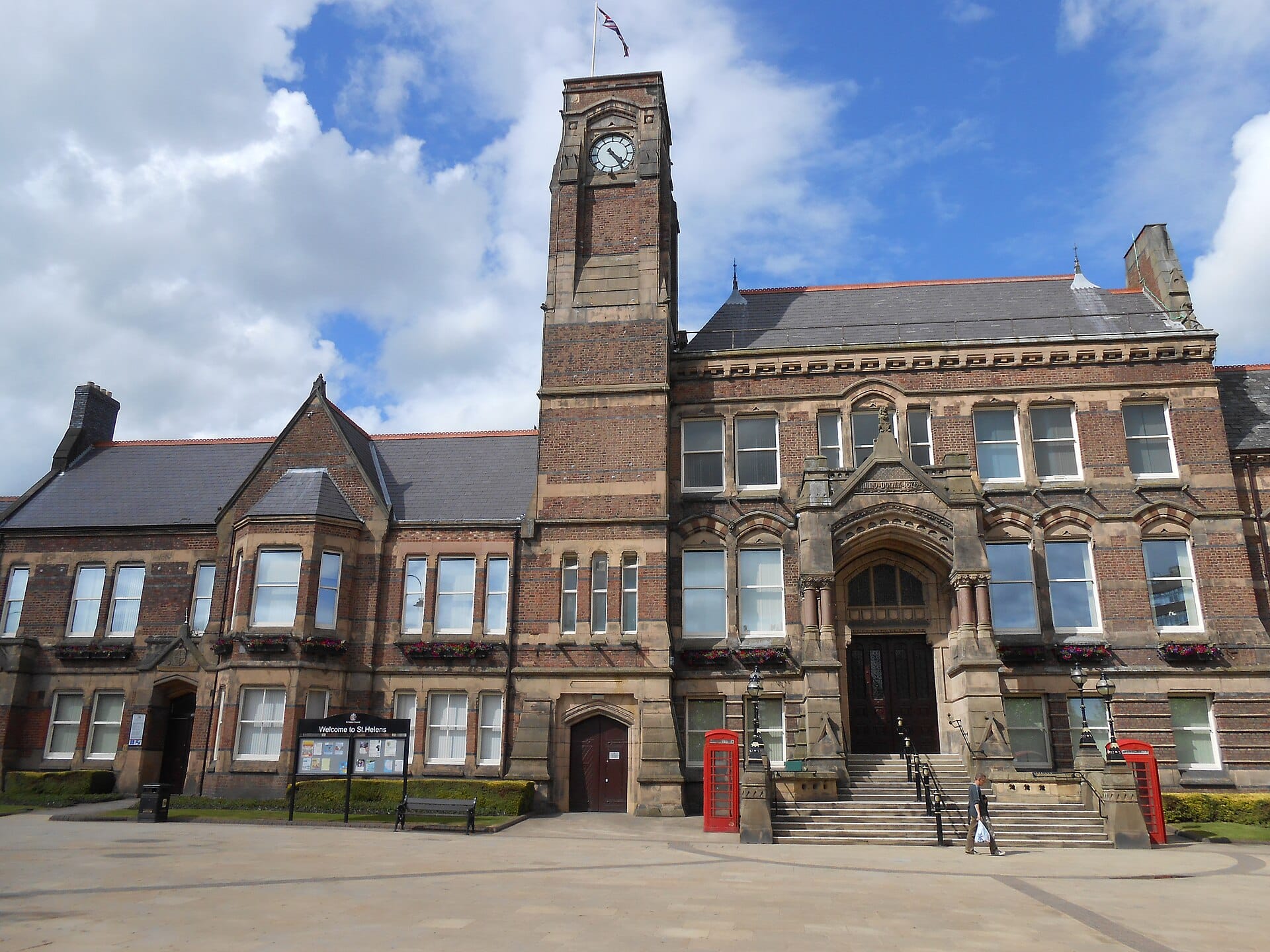
Anyway, away from all the political posturing and culture wars baiting going on up in St Helens, there is a packed agenda of much more practical matters this week, with meetings taking place at the town hall every day.
First up is a children and young people scrutiny committee on Monday, which includes some eye-watering figures on the cost of getting children with special educational needs and disabilities to school.
Reality
The council found itself nearly £1.8m over budget on home-to-school transport last year, having spent nearly £6m getting borough youngsters to and from school. It’s not getting much easier this year either, with another £1.7m overspend forecast.
Part of the issue is the lack of specialist provision within St Helens itself. There are only three specialist schools in the borough, meaning a high proportion of children are placed outside St Helens and can have longer, more expensive journeys to school as a result.
There are some details on the wider costs of home to school transport as well, such as the 52 children currently travelling on single occupancy routes - which can happen when there aren’t any other children going to the same school or where a child’s needs means they can’t share transport as well as other logistical challenges. The average cost for each of those children is £20k a year. That’s over a million quid a year transporting just 52 children to school and back.
The council has been trying to bring the bill down for some time. A wider transformation of the borough’s home to school transport was already underway three years ago, with further measures including independent travel training, centralised pick up points and personal travel budgets approved by Cabinet last March following an earlier consultation.
The second phase of that work, running from April this year until March 2027, is now looking to expand those measures alongside further policy and practical changes. The report talks about potential savings of up to £2.4m over the next few years, although it also says recurring savings can’t be predicted with much certainty.
Municipal machinery
It’s all a bit of a useful reminder though of how councils actually work: policies agreed under one administration may very well still be working their way through the municipal machinery years later, as we’re seeing with some of the measures being taken to reduce the home to school transport cost in St Helens right now.
There’s another number in the reports for Monday’s children’s services meeting that is not very reassuring. That is the figure of just 34% in terms of Education, Health and Care Plans (EHCPs) being completed within the statutory 20-week deadline. The average wait is around 34 weeks and that low statutory completion figure falls down even against the modest council target of 55%. The SEND assessment team is looking for staff too, with four vacancies it’s currently trying to fill.
On top of all that, somebody may well have been having a long week when they finished writing one of the reports. A passage concerning increasing demand currently states ‘XXX number of young people…’
Now, it might actually be because somebody in St Helens Council has decided to experiment with Roman numerals, but we suspect it’s most likely an error. We’ve all been there. I’m sure it won’t be the first or last time this happens in MMXXVI.
Extremely long trains
St Helens’ planning committee is meeting on Tuesday and a huge redevelopment at the former Parkside Colliery will be sat in front of councillors, and not for the first time.
Plans for the second phase of the substantial redevelopment were submitted back in August 2024, covering around 48 hectares of the former colliery site. If the whole redevelopment is eventually built out in full, it’s going to include over 154,000 sq-m of employment space, including warehouses and industrial units, as well as research and advanced manufacturing facilities.

The phase going before the committee on Tuesday would create two large development platforms capable of accommodating up to three buildings. It’s already been considered by councillors - back in February this year - where it was resolved to be approved subject to legal agreement, conditions and work around landscaping and biodiversity. The agreement also included over £6m towards improvements for the road network.
The problem is that the final planning permission hasn’t actually been issued yet and, in the meantime, something a bit significant has happened just next door.
Parkside sits alongside plans for another enormous project, the proposed Intermodal Logistics Park North, which would include a strategic rail freight interchange. Part of the Parkside site has been safeguarded for some time for a future rail connection, but more recently there has been a bit of a rethink about how much land is actually needed.
The developers behind the rail freight scheme, Tritax Big Box, say they’re actually going to need three reception sidings instead of two and that they need to be capable of handling freight trains around 775m long. To give you a sense of the scale of that, it would take an average walker around nine minutes to get from one end of one of these trains to the other. The plan is for 16 of them to be coming and going every day.
‘Wheel squeal’
The railway also needs wider curves than was originally planned, partly to reduce ‘wheel squeal’ but also to give room for electrification, an access road and an acoustic barrier.
Tritax has raised concerns that one of the planned Parkside plots, Plot G, and associated works, could end up encroaching on land that will be needed for the railway. The Parkside developers have amended their plans as a result and are arguing their scheme won’t prevent the interchange from being built.
Councillors on Tuesday are being asked to look again at this application in light of the amendments, but also because the permission hadn’t all been formally signed off and issued yet, so planning officers have said the committee needs to take another look. They are recommending approval and we’ll find out on Tuesday how all that goes down. In the meantime, you can read all about it here.
’Severe’
There are some other interesting numbers buried in the documents for this application too. Warrington Council are asking for a little over £6m towards improvements on the A49 to deal with the traffic that will be generated by Parkside and Wigan Council is concerned about the traffic modelling, stating the impact on its road network could be ‘severe’, especially around Lane Head and the A580.
There’s also some biodiversity to be taken into consideration. The development is calculated to lead to a nearly 50% loss in habitat units at the site, although the developers have put forward arrangements they say will achieve the overall biodiversity net gain they’re required to demonstrate.
And finally, perhaps one of our favourite little details within the hundreds of pages accompanying this one is plans for some sculptures representing the history of the area and depicting mine shafts around the former colliery entrances. While they do get a mention in the report, they would actually need their own separate consent before being installed.
An inclusive playground
A bit of inclusive positivity coming through on Tuesday’s agenda too, with plans to more than double the size of St Johns Playground in Newton-le-Willows, turning it into an accessible playground capable of accommodating up to 80 children.
The expanded play park would have over 100 play features, including accessible swings, a tandem seesaw, climbing equipment, a roundabout accessible to wheelchair users and sensory play equipment.
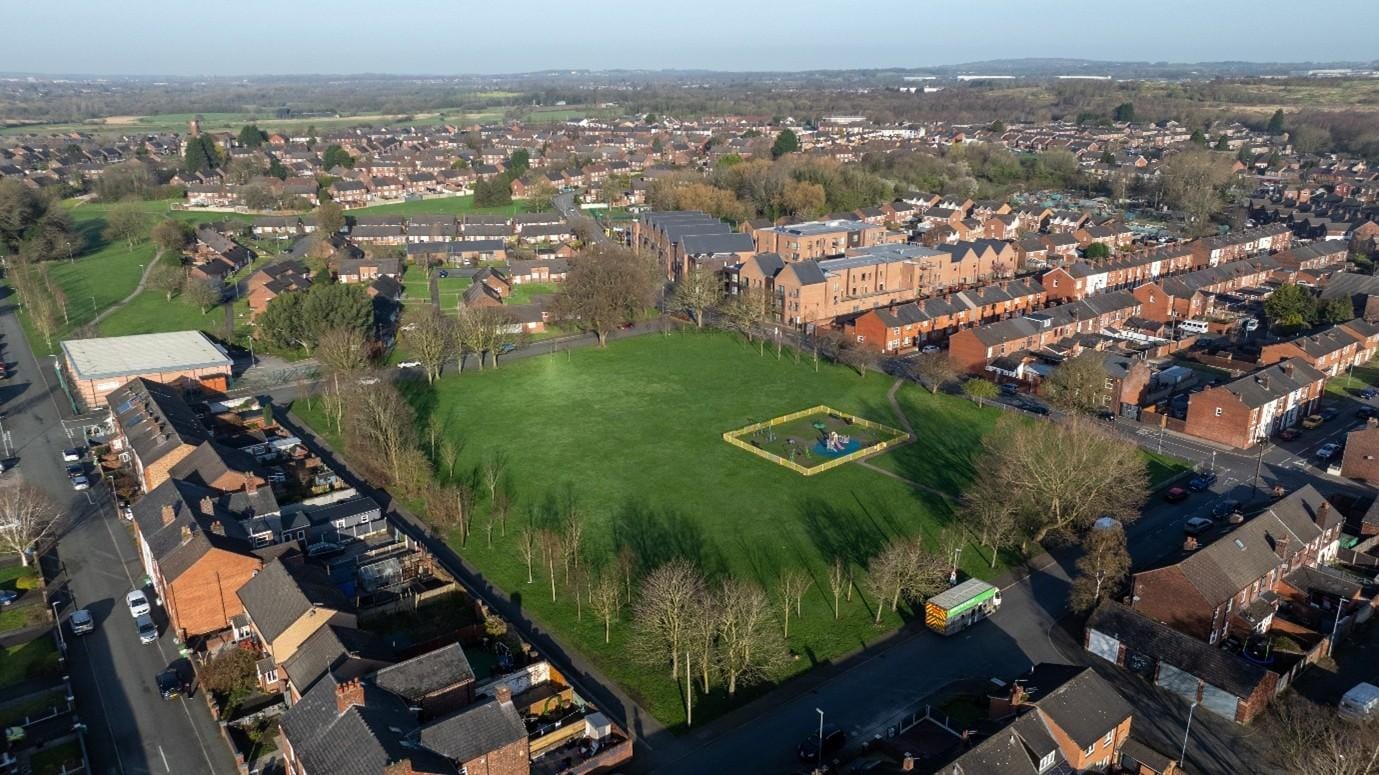
It’s all going to be themed around the area’s history, with the Sankey Canal and Newton-le-Willows’ railway heritage being incorporated into the overall design.
There is a bit of a bump to get over first though, because the bigger playground will eat into land officially designated as amenity greenspace. Officers have concluded the benefits outweigh the loss and are recommending approval.
And some musical chairs at the top
And the last mention of St Helens in today’s newsletter is about changes afoot at the top of the council, which is being discussed at a meeting of the appointments committee on Wednesday.
The local authority’s Executive Director of People’s Services has resigned and instead of just recruiting a replacement, the council wants to use the opportunity to rejig its senior management structure.
The means the number of executive directors would fall from three to two and a stand-alone Director of Adult Social Care and Health post would be brought back.
Both that director and the Director of Children’s Services would report directly to the chief executive, while the Director of Public Health role would sit beneath the newly created adult social care boss.
The plan is for an interim agency boss to be brought in for up to six months while the council goes hunting for someone permanent, who could find themselves taking home over £120k a year.
There’s also an explanation of why just replacing the departed executive director isn’t the preferred option for the council and that is because the NHS used to pay half the cost but isn’t anymore.
So there we are, in the space of just three days in St Helens this week we’ve got £20k school journeys, children waiting an average 34 weeks for EHCPs, enormous freight trains, mine shaft sculptures, a heritage themed playground and a council management reshuffle prompted at least in part by the NHS deciding it no longer fancies going halves.
Meanwhile, the thing the leader has seemed particularly keen to make sure everybody knows about the past few days is his instruction that the council should not ‘observe’ Black History Month, while complaining about others talking ‘nonsense’. A vibe, indeed.
Across the boroughs
Wirral has a planning committee meeting this Wednesday and its over a scheme that has led to both lots of support and lots of objections. The issue is Hoylake swimming pool and wellness centre, which could be coming to the former Kingsmead School swimming pool site on Carlton Lane if councillors agree on Wednesday.
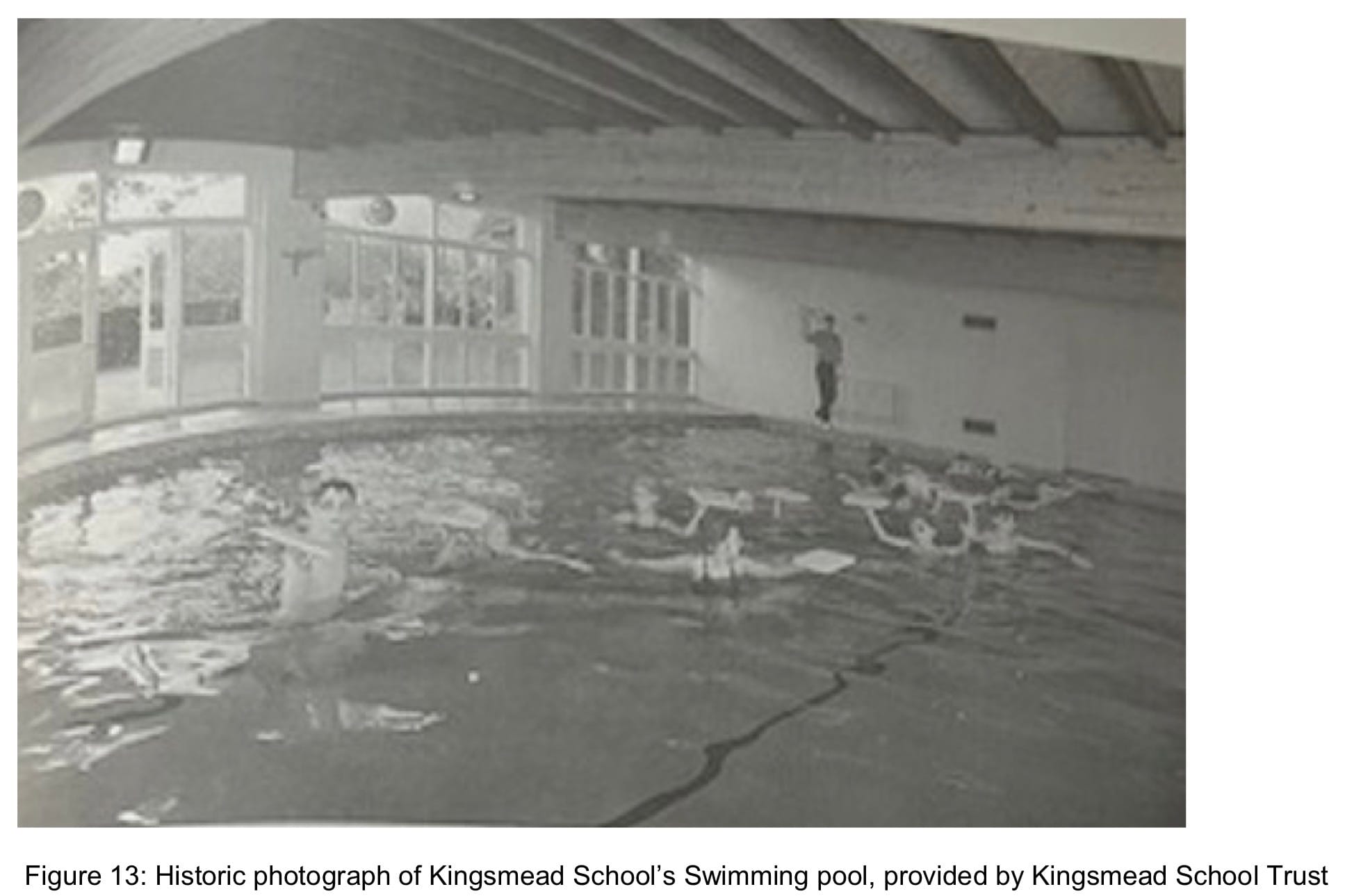
The plans involve a leisure and wellness centre complete with cafe, swimming pool, yoga, pilates and other fitness classes. It was up before the planning committee in August, when it got deferred over parking concerns. The scheme has since been revised to include a total of 23 parking spaces, some reached from Bertram drive and less than initially proposed through Carlton Lane.
There’s a petition signed by 32 people raising concerns about traffic, parking and noise at Carlton Lane, which is quite narrow and also unadpoted. Hoylake Neighbourhood Forum is also concerned about the loss of trees and hedgerows. It’s got plenty of people pleased at the prospect thought too, with a petition supporting the scheme having garnered over a thousand signatures. One to watch on Wednesday.
More rooms at the inn?
The planning committee is also going to be taking a look at the Glegg Arms hotel in Gayton. There are plans to knock it down and replace it with a new building with Premier Inn bedrooms. There are also some changes planned to the car park. 615 people aren’t happy, and neither is Cllr Kathy Hodson, who has raised concerns about the loss of a heritage asset.
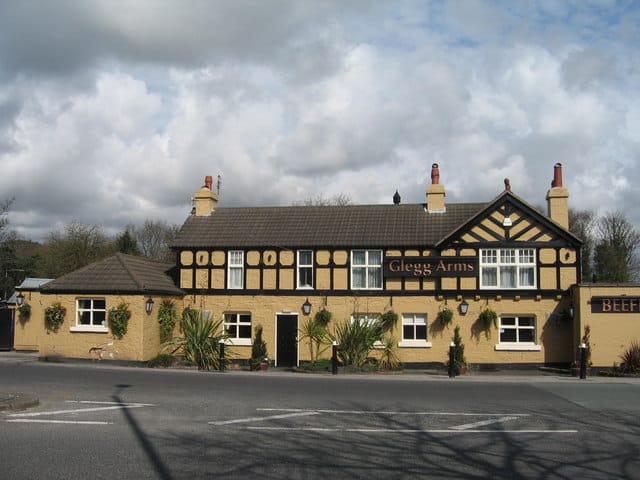
The Heswall Society has also waded in, arguing the historic building should be retained. They’re also arguing Whitbread hasn’t demonstrated why they can’t provide the extra rooms without demolishing the building.
The Heswall society has also spoke out about the site’s former public weighbridge, arguing that demolition followed by a heritage style reconstruction would still amount to the total loss of the original asset.
A spot of art while voting
Still on the Wirral, councillors on the wonderfully titled Regulatory and General Purposes Committee are going to be chatting quite specifically about all things ward boundaries on Thursday.
There are changes on the horizon for next May’s local elections, including reducing the current cohort of councillors from 66 to 65 and boundary changes for some wards. It will also mean Hoylake and Meols becomes the only ward with two members and some wards will be getting renamed.
Pensby and Thingwall is being a bit awkward, because it’s forecast they’re going to have 11% more electors per councillor than the Wirral average by 2030. This places it outside of the Boundary Commission’s 10% preferred range. The Boundary Commission have said changing it any further, though, would cut across ‘community ties’, so they are recommending keeping it as it is despite the demographic wrinkle.
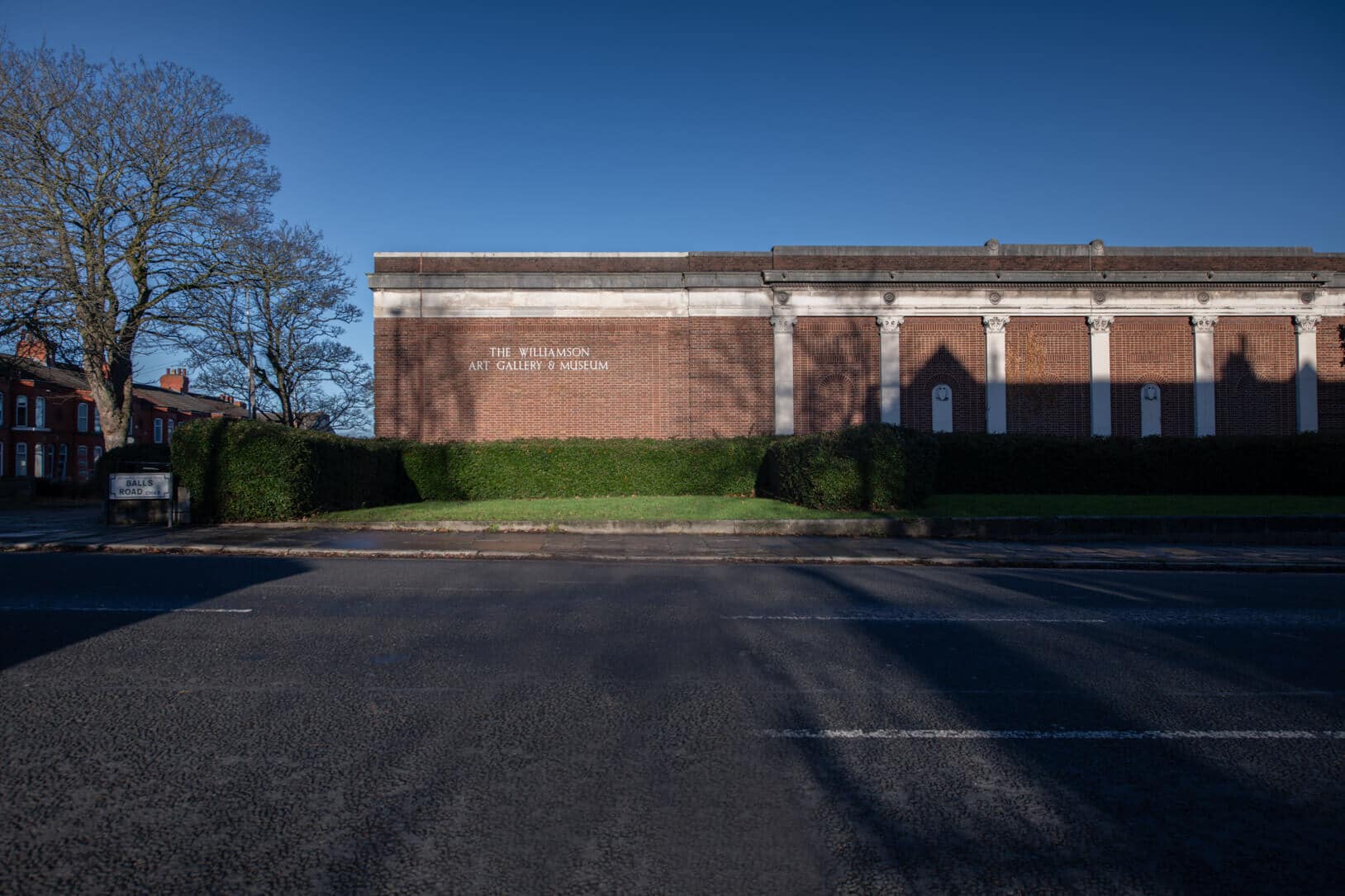
The changes have also meant a review of polling stations ahead of next year‘s local elections. Changes proposed include moving voters in Oxton to the Williamson Art Gallery. There are also plans to move a few other polling stations to make it easier for people who don’t drive and for those with accessibility challenges.
Shockingly, there’s also a minor dispute about it all in Heswall. Well, we may exaggerate by calling it a dispute. What it is, is that four people consulted want the Royal British Legion polling station to be replaced, not least because there’s quite a bit of walking involved for elderly residents, but officers said they couldn’t find a suitable replacement.
There’s also a slight headache that’s been created for officers after McAllester Pavilion in Oxton said it doesn’t want to be a polling station anymore. According to the report, officers have yet to find anywhere to replace it.
A general convenience store
Over in Sefton this week, it’s relatively quiet on the meeting front, although there is one Waterloo convenience store looking for an alcohol licence.
Applicant Karl Saunders has plans to refurbish 5a Stuart Road in Waterloo as a general convenience store with alcohol sales between 7am and 11pm, seven days a week.
Three local residents have objected, with concerns focused on issues of public nuisance. The applicant said it would have CCTV, a Challenge 25 policy, an incident and refusals log, a policy of refusing to sell to street drinkers and would have staff keep an eye on people congregating outside and any litter outside the shop.
Because there have been objections, officers have put the application before the licensing committee, which is meeting at Bootle Town Hall on October 7th to decide whether to grant the license. You can find out more here.
Not a lot going on in Knowsley?
Over in Knowsley, it‘s all pretty quiet at the moment too. A planning committee planned for later in the week has been cancelled and all that’s on the schedule is a meeting about an appointment to a Police and Crime Commissioner Panel, which we can’t tell you a lot about because most of the details are redacted.
We’re a bit worried here at the Monitor that Knowsley hasn’t quite been getting the attention it deserves recently, so if there’s something public interest-related you think we should be taking a look at in Knowsley, do get in touch.
Meanwhile, down at the docks…
Mersey Port Health Authority’s latest quarterly report offers a glimpse at some of the more unusual things being stopped from entering the country via Liverpool in recent months.
This has included egusi seeds with high levels of lead, plastic bowls with too much formaldehyde, sweets containing an ‘unauthorised additive’ and some pancake mix with bleached flour in it. There were also some cow peas destroyed for being a ‘banned product’ and sardines in sauce that were sent back to wherever they came from because they didn’t have the correct health certificate attached.
Sampling of some of the products coming in also found a few more concerns - calabash chalk with high levels of lead for one and a drink containing too much benzoic acid for another. Six of the 51 samples tested were deemed ‘unsatisfactory’ according to the report, which will be discussed at Liverpool town hall on Thursday.
There also seem to be some staffing issues at the Mersey Port Health Authority, with six of its 21 full time equivalent posts currently vacant and agency workers being brought in to help keep things afloat. The authority says staffing remains a ‘key operational pressure’.You can find out more here.
And finally, a mysterious half a billion quid
We can’t let you go without a quick chat about something brought up in Liverpool’s full council meeting last week - Liverpool Foundation Homes.
Now we did say we’d fact check political leaflets sent our way, and we’ll have one of those for you next week, but this week we couldn’t help but find ourselves looking at a video, one of the many produced by Lib Dem leader Carl Cashman and posted across his social media, to be precise.
The Lib Dems had asked a question about what was going on with council-owned company Liverpool Foundation Homes, which they described as a ‘complete failure’, was the subject of criticism in the Caller report, as well as a review the council itself carried out in 2021, and was supposed to get dissolved after cabinet agreed to wind it all up in 2022.

There’s a lot of history to the company, and the council meeting last week included several reminders from the chair, lord mayor Cllr William Shortall, for everyone to be very careful what they say because of active proceedings relating to Operational Aloft. You can read all about that meeting, which we reported live from, here:
 Lisa Rand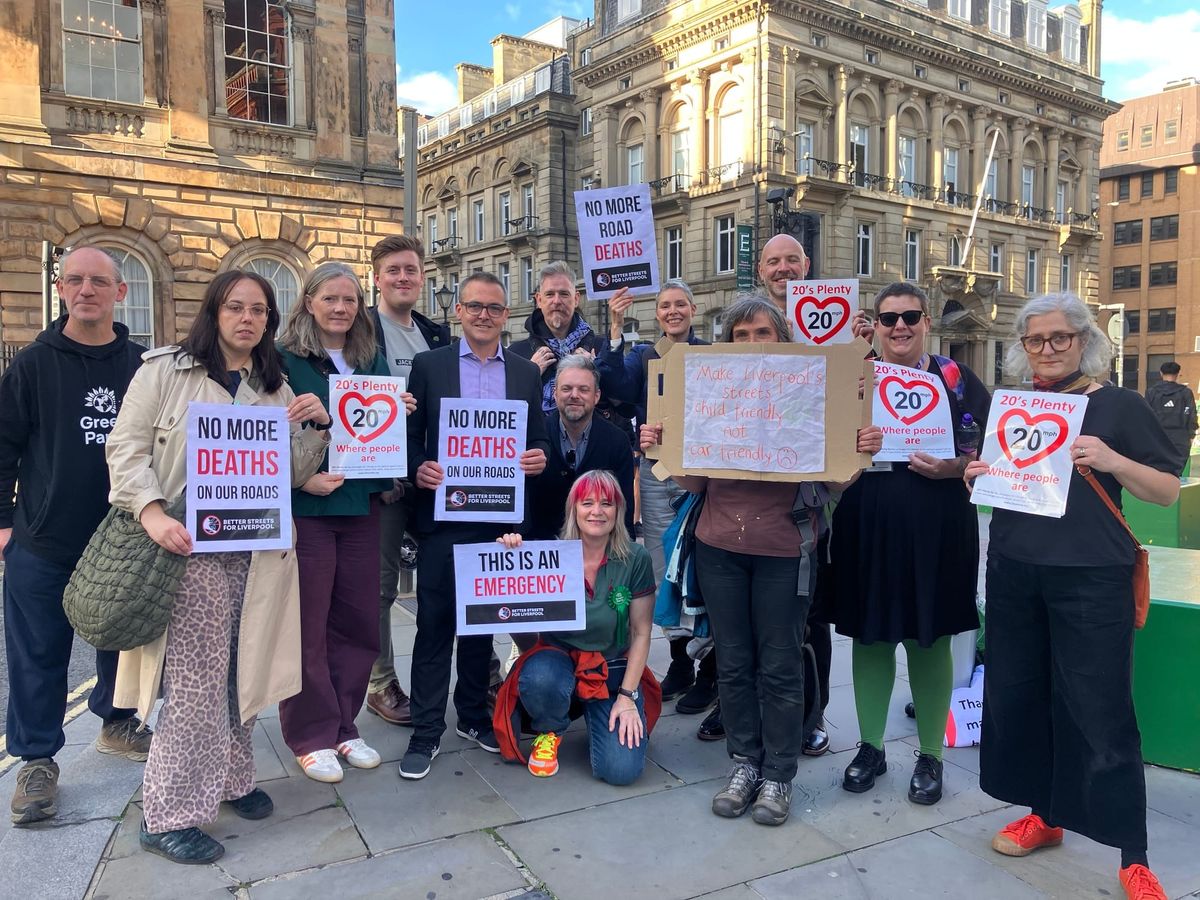
It seemed from where we were sitting that the leader of the opposition, Cllr Carl Cashman, was listening intently about the need to be careful - although afterwards he did put out a video that certainly left this journalist scratching her head about the level of care taken about making sure facts were straight.
That is because, according to Cashman’s video, £500m was injected by Liverpool Council into Foundation Homes, ‘half a billion pounds’ as Cashman emphasised, in case we weren‘t clear.
When did this insanely large sum travel from the council’s coffers into Liverpool Foundation Homes, we found ourselves wondering. Surely it’s not the leader of the opposition getting confused about the half a billion that was mentioned as part of the aspiration for Foundation Homes, back in the days when the public was being told it was going to build 10,000 homes? (It built 18).
Waiting for an upturn
The figure that did get spent was of course, considerably less than Cashman’s video suggested.
The council provided an update on outstanding loans from the council to the company following Cllr Cashman’s question at the full council. That was supposed to be paid back by August this year, but it’s now been deferred for a year - as the Echo reported after the meeting - along with the shutting down of the company, according to cabinet member Cllr Nick Small.
A big part of all that, he told last week’s full council, was because the council is waiting for an ’upturn’ in the market before getting shut of the remaining properties the company owns and closing the whole thing down.
The Monitor approached Cllr Cashman for clarification and comment about his video on social media but have not received a response by time of publication.
before you go...
Here at the Mersey Monitor, we’re an independent public interest news site covering Merseyside on a not-for-profit basis. Everything we publish is free to read, with no paywalls, and we’re funded by reader donations.
You can sign up to receive our emails (they’re totally free) at the bottom of this page.
We really love your support to keep our site free and open access. We don’t have corporate sponsors, wealthy backers or adverts here - it’s you, our readers, that keeps the good ship Monitor afloat.
If you can spare a quid or two, we’d very much appreciate your support.
You can donate here: https://www.merseymonitor.com/#/portal/support
You can also set up a regular donation of any amount of your choosing, your own tailor-made subscription if you like, here: Donate
Thank you for supporting local public interest journalism for Merseyside