Big plans, little money and an ‘elephant in the room’ at Wirral Council
Wirral’s future, questions about how to pay for it, a row over declared interests and arguments about housing and planning all featured at Wallasey Town Hall on Monday, with a few surprises thrown in too.


*Declaration of interest: John Brace is a Wirral Green Party member, member of the Green Party of England and Wales and also Green Party Bundling Coordinator for Bidston and St James ward (on the Wirral)
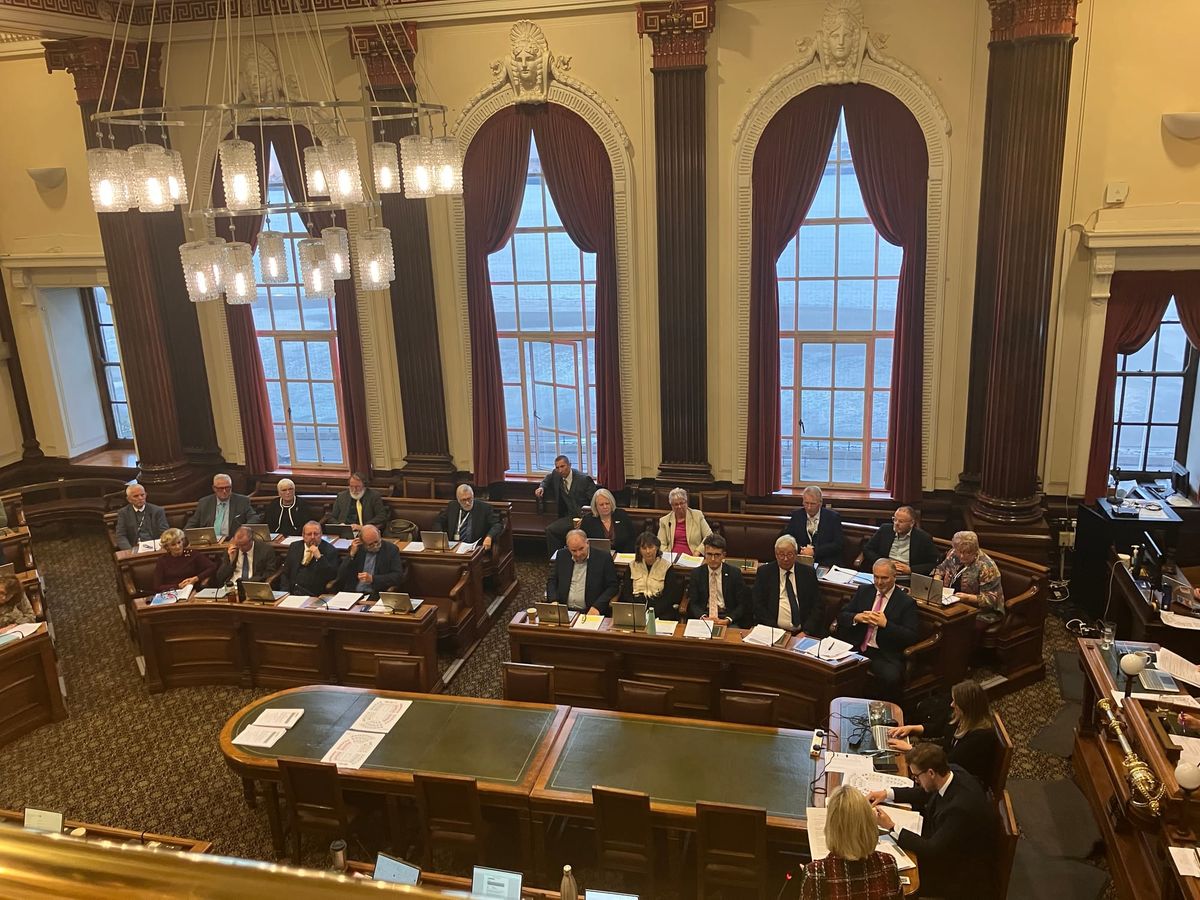
If you’re ever sat in the public gallery of Wallasey Town Hall, you might notice that beyond the arched windows lies the river and its beachy shore, quite a picture as the local politicians argue below. When it gets darker, of course, the scene becomes increasingly obscured.
Could it be a metaphor for Wirral’s full council meeting on Monday, all three and a half hours of it? Some of the figures mentioned were far from obscure: Friedrich Engels, Charles Dickens and Dolly Parton all made appearances, while meaty issues including Wirral’s future, housing, fly-tipping and the council’s seemingly perpetual financial woes were put under the spotlight.
At one point there were testy words from council leader and Labour councillor Paula Basnett, later withdrawn at the mayor’s request, aimed at Green councillor Jo Bird. Cllr Bird had been asking about an interest Cllr Basnett declared at a previous meeting earlier in the year in relation to Wirral Chamber of Commerce.
There were also several, unrelated accusations of ‘catastrophising’ between councillors from different parties, and an ‘elephant in the room’ courtesy of Conservative group leader and councillor Simon Mountney, who wanted to know how the council intended to pay for its plans.
A plan for Wirral
The main business included the Wirral Plan for 2027 to 2031, which sets out the council’s aims for the next few years. Not to be confused with the statutory Local Plan, which decides where development can take place, the Wirral Plan covers what the council wants to achieve and how it plans to work, from bringing jobs and investment into the borough and improving town centres to better public services and tackling inequality.
Introducing it, Cllr Basnett described Wirral as a ‘borough of enormous potential’, with opportunities for investment, regeneration and growth. She said she wanted to speed up housebuilding, improve town centres and create neighbourhoods where people were proud to live, although she said doing all this would mean changing the way the council worked.
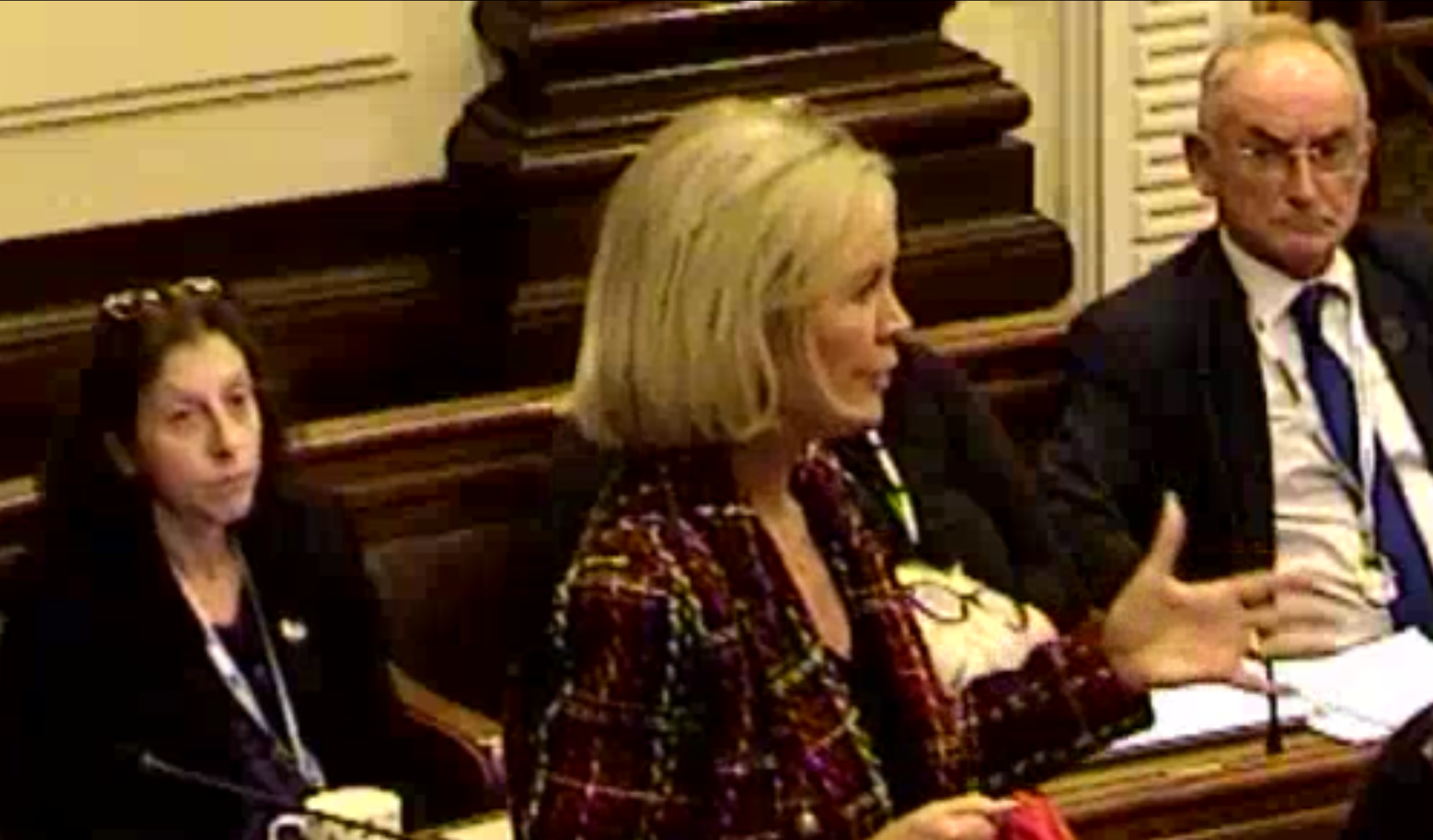
‘We have to be honest about the challenges facing the council. Our financial position remains extremely difficult,’ she said, calling for new ways of working, closer ties with other organisations and a council more concerned with ‘results than processes’.
Green councillor Ed Lamb welcomed the plan’s positive tone, although he questioned how much of it could actually be done. Artificial intelligence (AI) appeared 13 times in the document, he pointed out, while climate appeared just four, and although the plan promised to make services easier to access, residents needed clear information and ‘a friendly voice at the end of the phone’, rather than more hoops to jump through. There was also the aim of having leisure facilities within a 15-minute drive, which raised the question of what that meant for people who didn’t have a car.
Liberal Democrat Cllr Stuart Kelly had some concerns about consultation, not least the apparent contradiction between residents saying they wanted more say in decisions while also complaining about being consulted too much. He warned against ‘sham consultation’, particularly where people were asked to choose between options without knowing how much notice would actually be taken of their answers.
Reform councillor Kath Hodson questioned spending on climate and environmental services, suggesting residents might prefer the money to be spent elsewhere, although Labour Cllr Liz Ainsworth pointed out that much of the environmental budget had grown because council officers had secured grants specifically for that work, money that couldn’t just be moved to other services.
‘If we didn’t have that grant funding, yes, you’d see a smaller percentage spent on environment, but it would not add money to other areas,’ she said. ‘So instead of criticising, we should celebrate the incredible work that is done.’
Then there was Cllr Mountney’s ‘elephant’: the council could produce all the ambitious plans it liked, he argued, but whether it could carry them out would depend on how much money it received from central government, which he accused of ‘woefully underfunding’ councils. ‘It’s our money, it’s taxpayers’ money, just through a different route,’ he said.
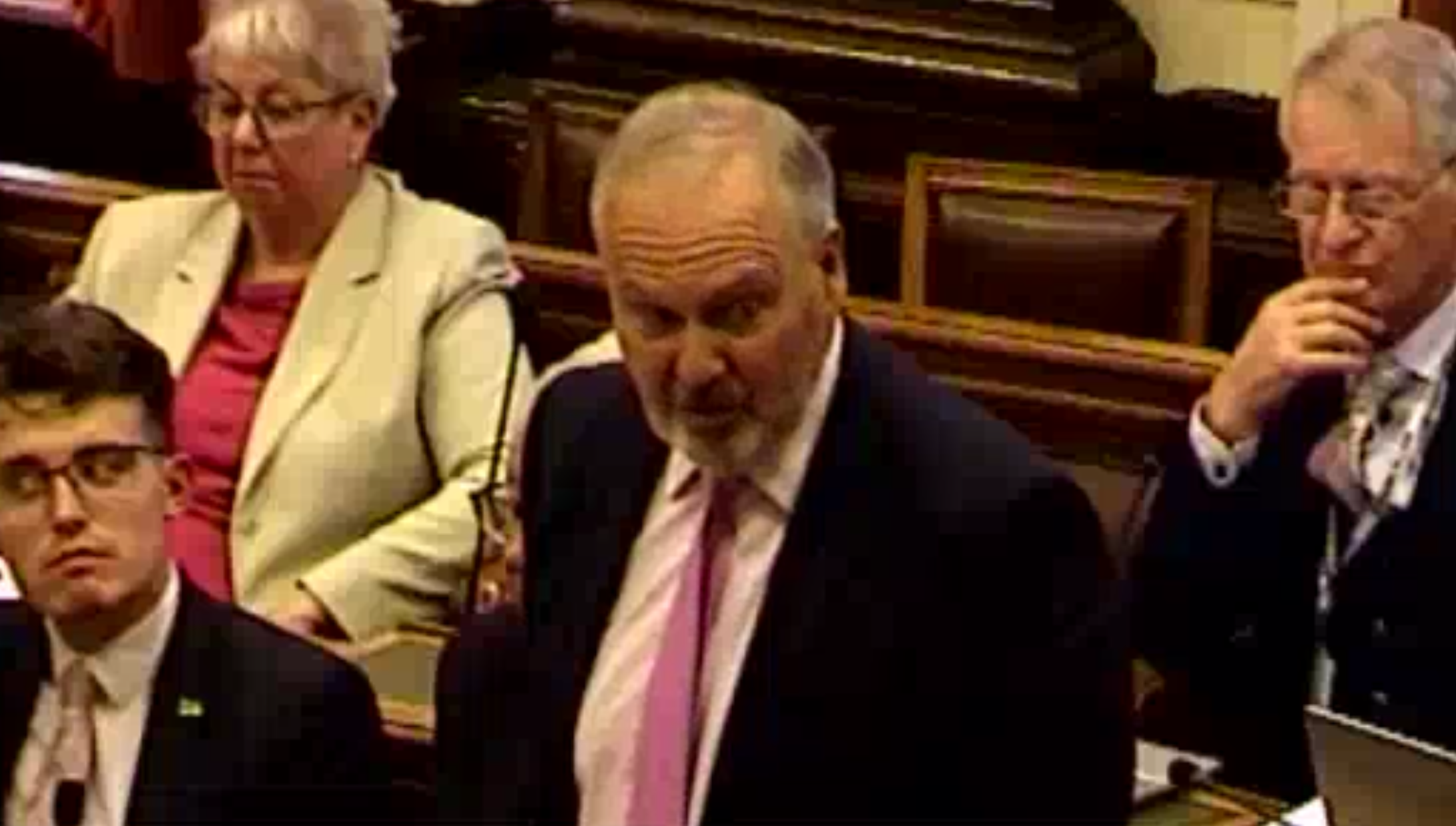
Deputy leader of the council, chair of the health and wellbeing board and Labour councillor Julie McManus welcomed the plan’s attention to health inequalities, pointing to a 13-year gap in life expectancy within Wirral. Improving health, she argued, was not something that could be left solely to the NHS (National Health Service) or public health teams, with housing, jobs and every council department having a part to play. There was little disagreement about wanting a more prosperous borough, although quite how that would be achieved with the money available was another matter entirely.
Interests, accusations and butterflies
Things became much more heated when Cllr Jo Bird questioned how Cllr Paula Basnett’s registered pecuniary interest relating to a contract with Wirral Chamber of Commerce might affect Councillor Basnett being involved in decisions about how the Local Regeneration Fund money is spent. Cllr Basnett had declared an interest at a previous meeting, and Cllr Bird said she wanted to know how any conflict of interest had and would be dealt with by Cllr Basnett.
Cllr Green, who had attended the meeting referred to, said he had come under ‘no pressure or influence at all’ from Cllr Basnett about how to vote, but Basnett took exception to Cllr Bird’s question. ‘Makes a change, Councillor Bird, that you’re actually speaking and asking the question rather than posting on social media lies and dishonesty,’ Basnett said, adding that there was a formal process for raising concerns with Wirral Council's Monitoring Officer, Vicki Shaw, who was present at this meeting to give councillors advice.
The Mayor asked Cllr Basnett to withdraw her remarks, which she did in part, while Cllr Bird denied having said anything dishonest and stated that she had already tried to sort the matter out privately. That might have been the end of it, but later in the meeting, during a discussion about changing the rules governing relations between Wirral Council councillors and officers, Cllr Basnett returned to the dispute and criticised Cllr Bird over the issue of regeneration in New Ferry, suggesting New Ferry residents wanted shops rather than paths and ‘butterfly emblems on the floor’.
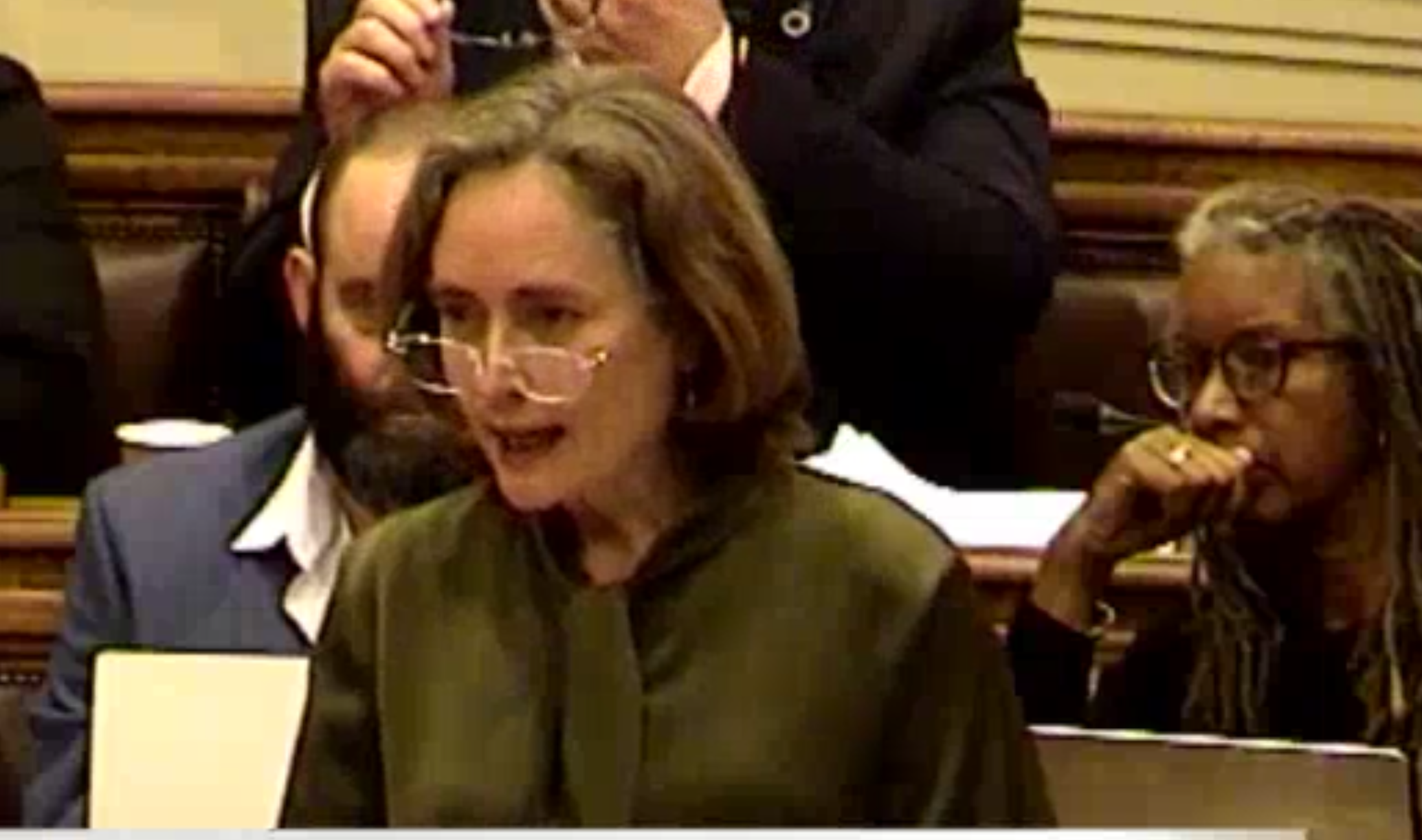
At this point the Monitoring Officer stepped in, warning that the discussion was heading into dangerous territory by debating matters in public that were being dealt with through ‘other processes.’ Cllr Bird later asked Economy, Regeneration and Housing Committee chair and Labour Cllr Mark Skillicorn whether he agreed that 83% of respondents to a New Ferry consultation had favoured the higher-quality public realm option, or whether he considered it a ‘sham consultation’. Bennett said his committee had dealt with funding not the design of the scheme, which didn’t really settle the question.
A hotel nobody wants
Elsewhere, Green councillor Pat Cleary presented a petition calling for the demolition of the former Central Hotel on Clifton Crescent in Birkenhead, signed by 426 people on paper and another 661 online. The derelict building, he said, was ‘an eyesore that drags the area down’, as well as being in ‘a dangerous condition’ and associated with antisocial behaviour.
‘It is completely unacceptable that people visiting the St Margaret’s area are intimidated and physically threatened by those accessing the Central Hotel,’ Cleary told councillors, describing incidents in which bricks had been thrown, property damaged and visitors abused.
Cleary asked whether the council should begin compulsory purchase proceedings, and the economy, regeneration and housing committee chair agreed that action was needed, although compulsory purchase was one of several options being looked at alongside wider work on what could be done with the site. In the meantime, the council was pursuing the building’s owners and trying to deal with the immediate safety concerns, Cllr Skillicorn revealed.
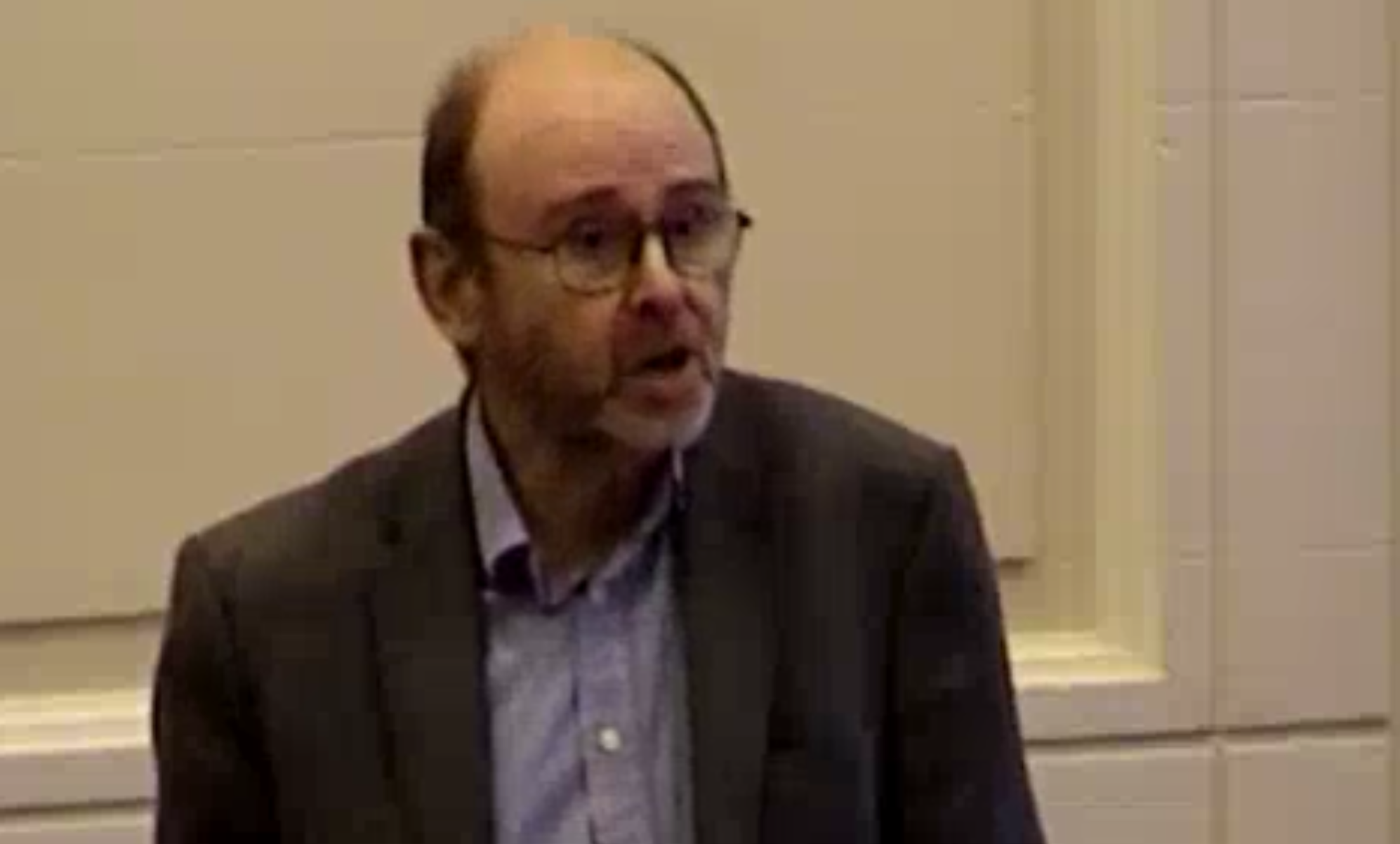
Fly-tipping also featured in members’ questions, with councillors hearing that Wirral had recorded nearly 8000 incidents last year, while its environmental enforcement team had just three officers to deal with it all. Fixed penalty notices had increased by 400% compared with the previous year, and the council was looking at ways to strengthen enforcement, councillors were told.
There was also a question about Merseyrail’s proposed ban on e-bikes, which Labour Councillor Steve Foulkes, Chair of the combined authority transport committee described as ‘something of a sledgehammer to crack a nut’. Cllr Foulkes accepted that a lithium battery fire from an e-bike in an enclosed railway tunnel could have disastrous consequences, but said responsible riders would be penalised alongside those using unsafe bikes, and that Mayor Steve Rotheram (Labour, Liverpool City Region Combined Authority) also wanted the ban reviewed.
The ‘heartbreak hotel’
Hotels of a different sort returned during a Conservative motion calling for greater planning control over houses in multiple occupation (HMOs). Conservative Councillor Andrew Gardner wanted the Council to consider an Article 4 direction, which could mean owners of some houses who currently benefit from permitted development rights for conversion to HMOs, would if an article 4 direction was issued, in future have to apply for planning permission before turning properties into smaller HMOs.
There was considerable agreement about the need for closer checks, but rather less about the Conservatives’ original wording, which suggested HMOs were particularly suited to people with ‘undocumented immigration status’. Cllr Foulkes objected to the suggestion, pointing out that HMOs housed students, contractors, people on low incomes and others who needed somewhere affordable to live, and that many were well run.
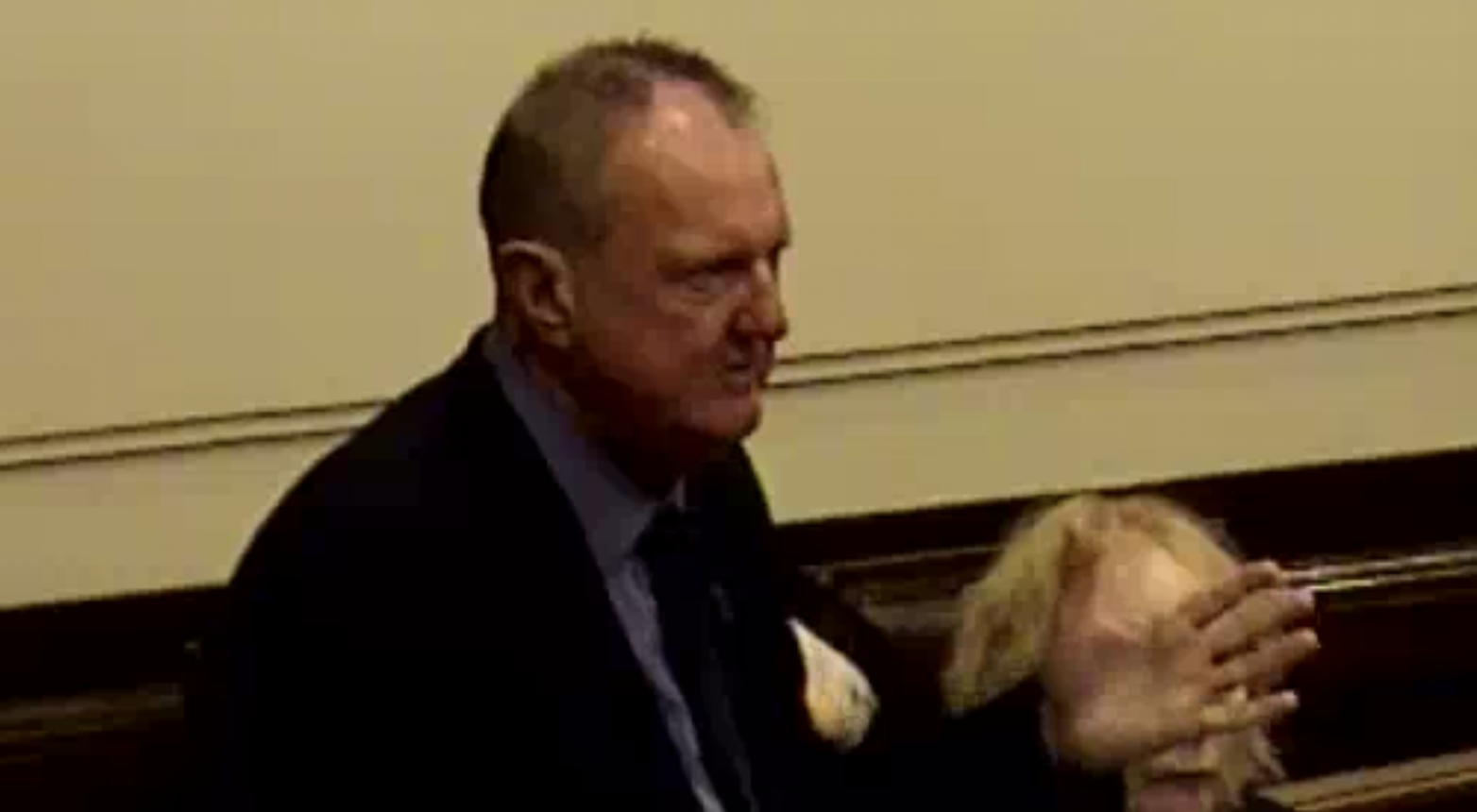
He recalled living in one himself during a difficult period following a relationship breakdown. ‘We named it heartbreak hotel,’ he told councillors, adding that the people living there were not undocumented migrants.
Green councillor Gorman challenged the immigration claim, while Labour councillor Paul Martin questioned a housing system in which family homes could be split up to make more money for investors. ‘What does Wirral get?’ Cllr Martin asked, arguing that housing should be treated as something people needed instead of a way to make money.
Cllr Mountney cited a proposed HMO in Tranmere that would have housed 22 people in a six-bedroom property with one shared kitchen. The planning application had been rejected, but the fact it had been submitted at all in his opinion showed the problem, he argued, warning against ‘creating tomorrow’s slums today’.
An amendment replacing the immigration-related wording with a reference to the shortage of social housing was backed by Greens, Labour and Liberal Democrats, with Conservatives and Reform voting against. The amended motion then passed unanimously, prompting Cllr Gardner to observe that harmony had ‘broken out’.
Engels, Dickens and the housing question
The next housing debate was about homelessness, with a motion calling for more action to prevent it and more social housing that people could afford. Green councillor Cleary described speaking to a letting agent who had more than 20 viewings booked for a single flat, and proposed an emergency limit on private rent increases.
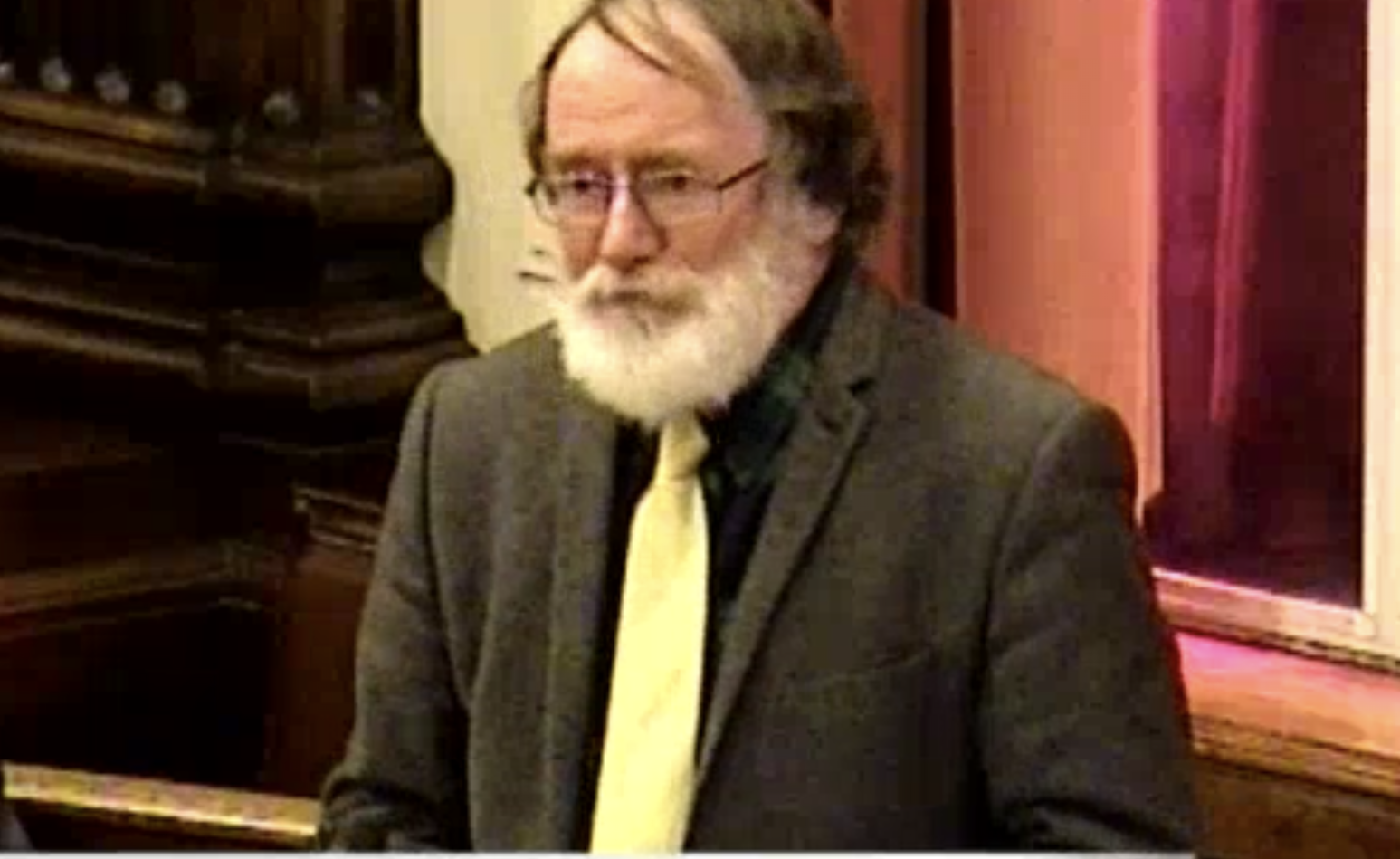
Liberal Democrat Cllr Allan Brame described three cases involving people sleeping in tents in his Oxton ward, which he described as ‘an area of mixed housing, generally regarded as a desirable location’. He continued, saying, ‘In a place of relative comfort, people [are] forced to take these desperate measures,’ he said, pointing out that nearby houses remained empty despite efforts to bring them back into use, and calling for greater use of Empty Dwelling Management Orders (EDMOs), which allow councils in certain cases to take over the management of long-term empty homes.
Labour councillor Paul Martin brought Friedrich Engels into the debate and Engel's arguments about the housing question, suggesting the issue was not simply how many houses existed, but who owned the houses, who could afford the houses and who profited from the houses. Cllr Foulkes recalled growing up in Council housing, describing it as a ‘safe haven’, and criticised land banking, although Labour councillors opposed the Green councillors’ proposed wording on limits on rent increases (rent controls).
The Green amendment attracted only support from the Green Party councillors, while the homelessness motion, with a Liberal Democrat amendment about empty homes, passed unanimously. Charles Dickens also received a mention during the debate, in a reminder that the problems being discussed were hardly new, even if the housing market on Wirral had changed since the Victorian era.
‘Catastrophising’ and the green belt
One of the evening’s more heated arguments was about changes to planning rules brought in by the Labour government through new regulations (a type of law). New rules in the regulations, due to take effect on 31 October 2026, will change which planning applications can be decided by councillors on planning committees inclueing Wirral’s, and Conservatives wanted to delay changing Wirral’s own rules prior to the 31st October 2026 change.
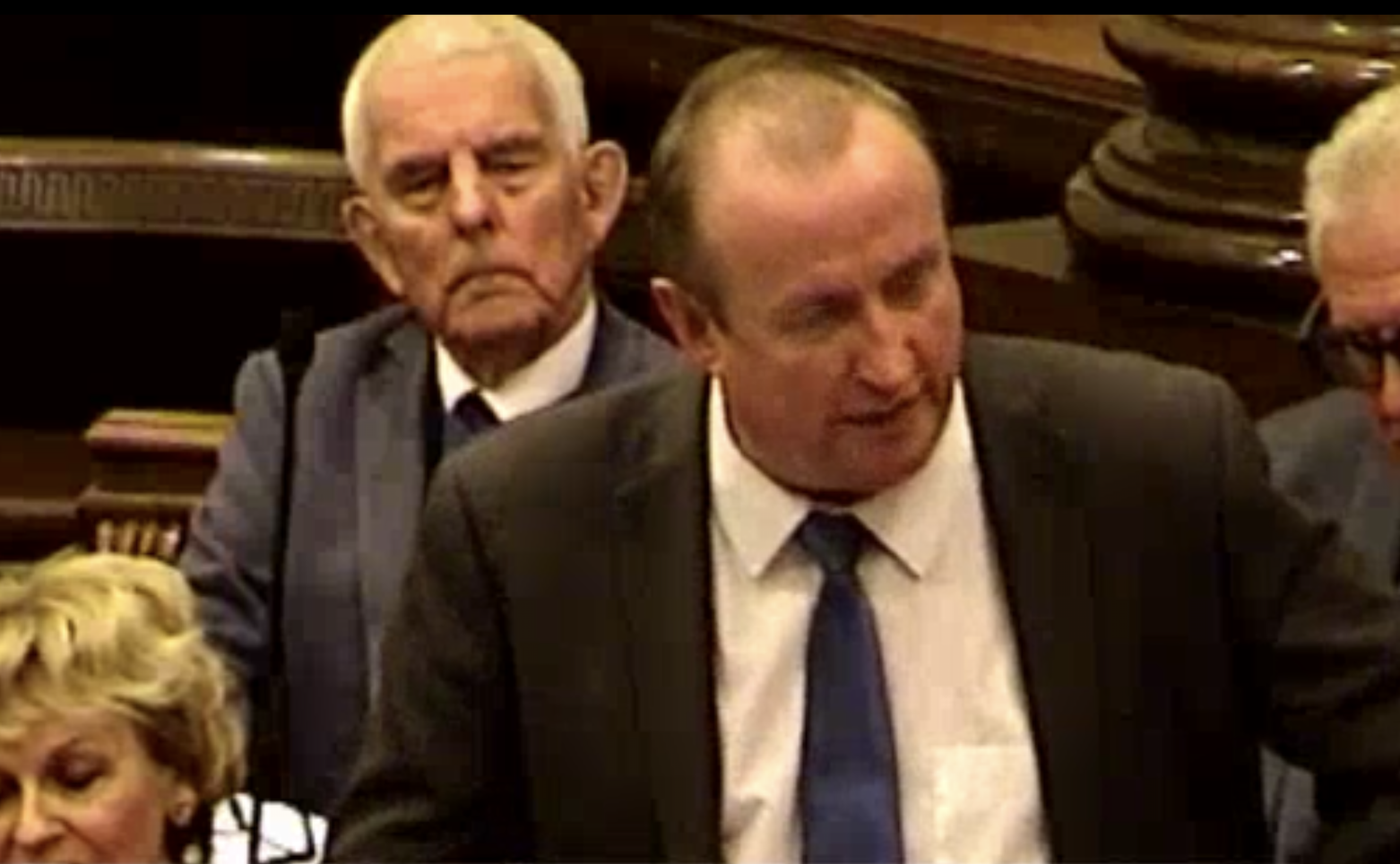
LiLiberal Democrat Cllr Stuart Kelly warned that deciding to delay implementing the changes could leave Wirral Council unable to deal with planning applications lawfully and might put at risk the protections offered by its Local Plan, which puts building on previously developed land ahead of Wirral's green belt. He brought up the ‘grotesque chaos’ of 1980s Militant-era Liverpool, while Cllr Foulkes accused the Conservative councillors on Wirral Council of putting Conservative Party interests ahead of a decision that had already been made (that for clarity the Conservative councillors wanted to change).
Conservative Cllr Jeff Green was unimpressed with what Cllr Kelly had to say, telling him: ‘You have reached that stage where you’re catastrophising these days.’ He insisted Conservatives would never knowingly put Wirral's green belt at risk and argued that the Labour national government’s changes would leave Wirral residents and councillors with less say over planning decisions at the Council.
Conservative Cllr Cox, meanwhile, objected to being accused of hyperbole by what he called ‘the two most hyperbolic councillors’. The Conservative amendment was defeated, while the changes to the Council’s rules were then approved unanimously.
Compassion, climate and Dolly Parton
Not everything produced a row on Monday night, of course. Liberal Democrat Cllr Chris Carubia praised Wirral’s youth justice service, pointing to a scheme aimed at helping young people who might otherwise end up in the criminal justice system. Nineteen young people had completed it, he said, with none recorded as having reoffended at that point, describing the programme as ‘what systematic, compassionate change looks like’.
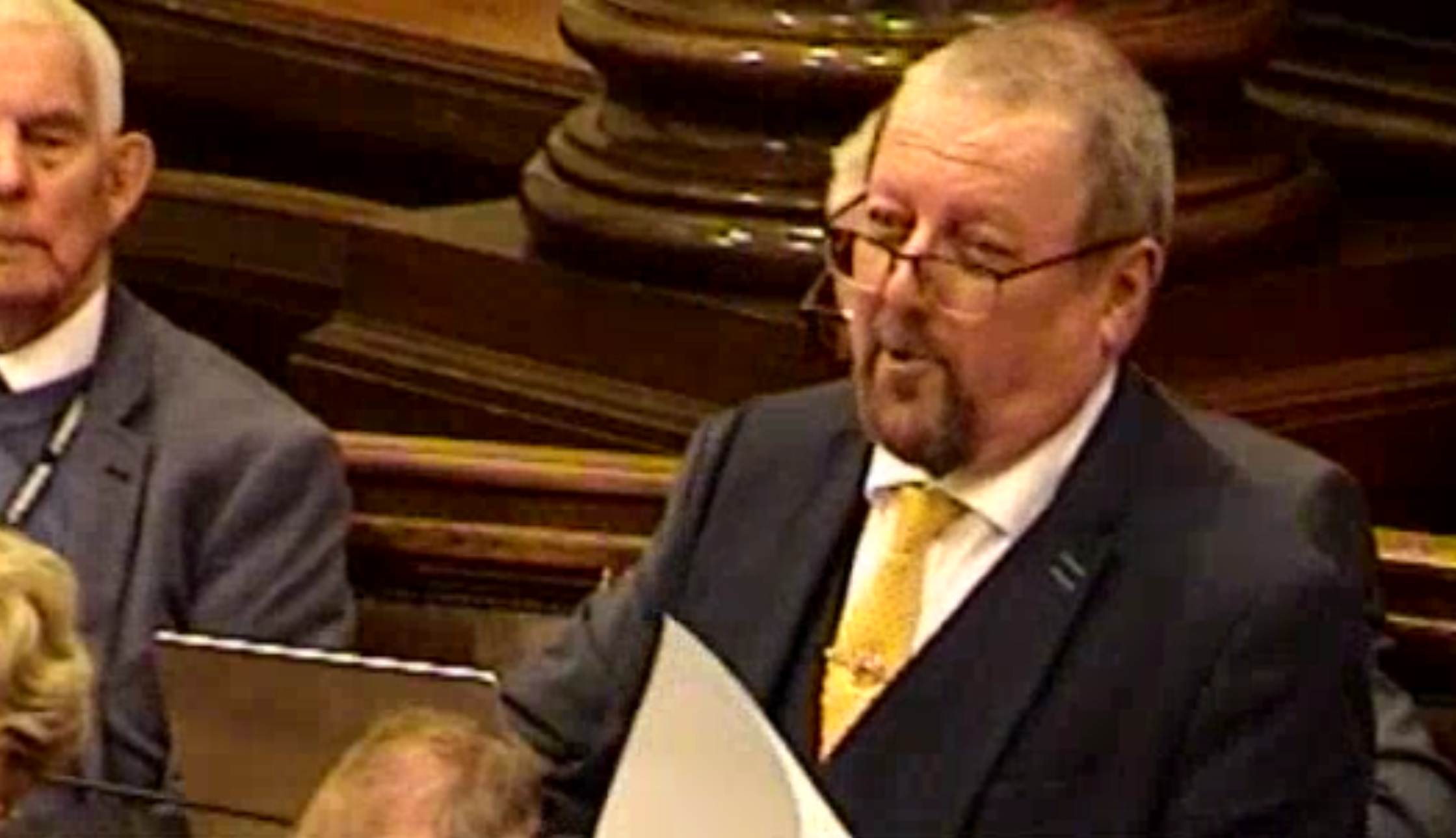
Councillor Chris Carubia's comments received support from across the chamber, although he had to leave out the last three lines of his speech due to running out of time. Following this there was almost a telepathic moment between Cllr Bennett and Cllr Carubia, when Cllr Steve Bennett appeared to anticipate those final missing lines including a thanks to officers, to Carubia’s visible approval.
Climate change was also discussed in a motion about how Wirral should prepare for more extreme weather, including heatwaves and flooding. Green councillor Gail Jenkinson argued that preparing for these changes could no longer be put off, telling councillors that ‘even if you don’t believe in climate change, you can’t deny the climate is changing’. She warned that recent summers might seem cool compared with those to come, and that taking action now would be cheaper than dealing with the damage later.
Labour and the Liberal Democrats both put forward changes to the motion, which the Greens accepted as friendly amendments. Councillors discussed what hotter summers and heavier rainfall would mean for peoples' health, homes and local services, as well as money that might be saved by preparing for them now.
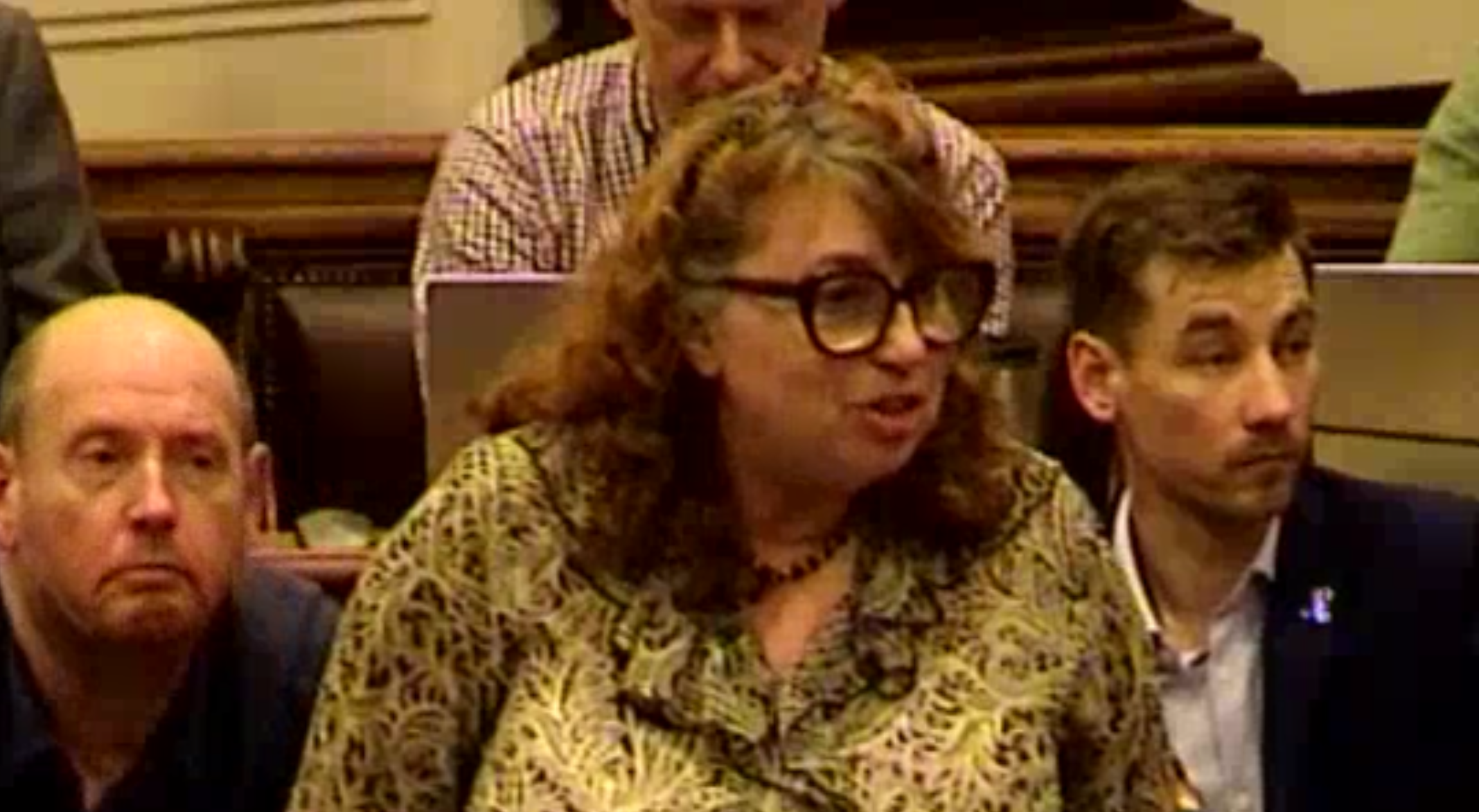
Green councillor Ed Lamb suggested it was easy to ‘catastrophise’, but that things could still get better if action was taken. Other Green councillors pointed to deaths linked to extreme heat and changes to flood-risk maps, arguing that the effects of climate change were already being felt.
Cllr Gardner criticised what he described as ‘scaremongering’, while Labour councillor Tony Murphy pointed out that cutting emissions and preparing for the changes already happening were two different things, and both needed attention.
There was, of course, the question of money again, with councillors discussing whether spending now to protect homes, services and residents could save the council far greater costs in the years ahead.
There was also one more unexpected contribution. Labour councillor Tony Murphy suggested nominating Dolly Parton posthumously for the Freedom of the Borough, in recognition of her work through the Imagination Library, which gives books to young children, alongside further comments about Dolly Parton.
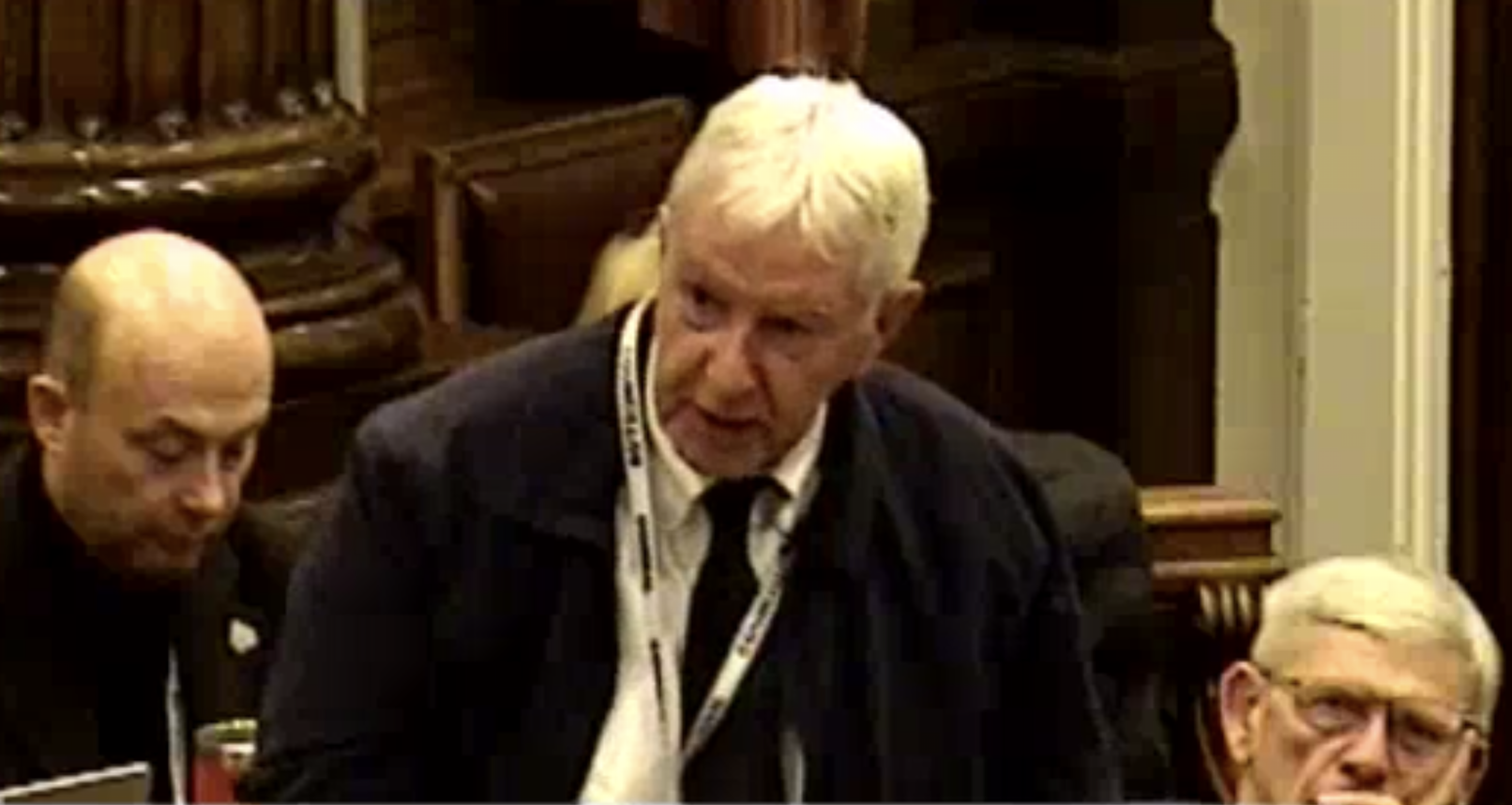
It was quite a change from arguments about planning rules, council finances and housing, although perhaps not entirely out of place at a meeting where everyone seemed to have their own ideas about how to make Wirral a better place. It was an issue also brought up at Liverpool’s last full council, when leader Liam Robinson was asked for his favourite Dolly Parton song. ‘I work more than nine to five’ he quipped.
By 9.30pm, when the ‘guillotine’ dropped and the meeting rapidly wound up, the view through the Town Hall windows had disappeared into darkness, leaving the three lingering questions not entirely resolved as councillors made their way out into the salty evening air: what should Wirral become, who gets a say, and how is the council going to pay for it?
before you disappear into the darkness…
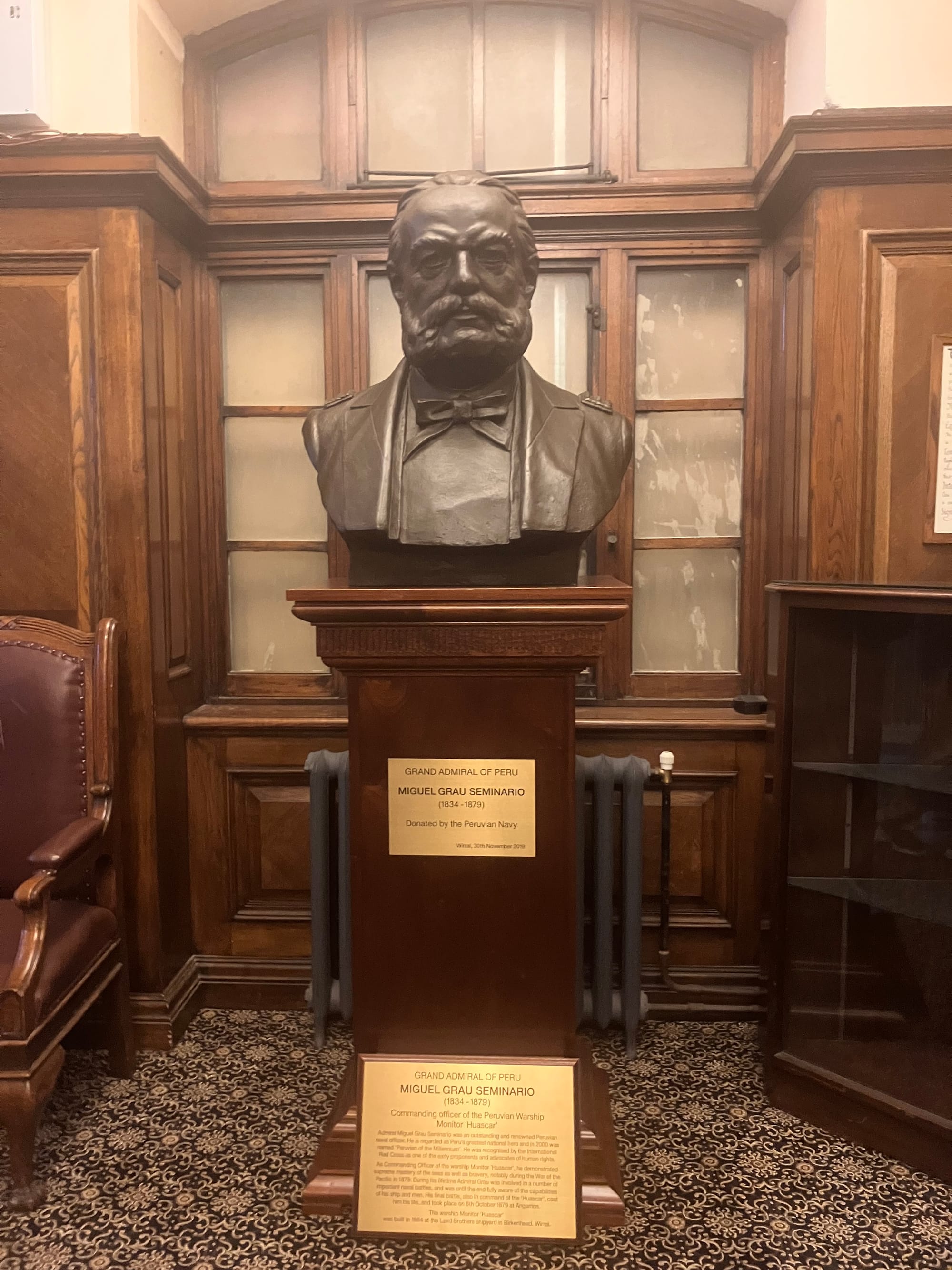
We thought you might quite like this rather large bust located near the entrance to the council chamber. The picture doesn’t do its size justice.
It’s of Peruvian grand admiral Miguel Seminario and was donated to the council by the Peruvian navy. Why’s it there? - well, that’s another story altogether!
The Monitor is a Merseyside-based and focused public interest news site operating on a not-for-profit basis. All our stories are free to read and we rely on the goodwill of reader donations to keep what we’re doing sustainable and free of any annoying paywalls. If you’ve got the capacity to donate, we’d love your support.