Staff shortages closed 18 local mental health beds. Now the NHS doesn’t want them back


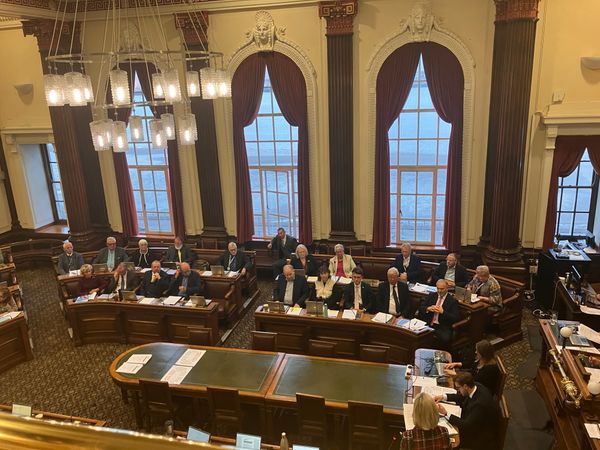
Two years ago, 18 specialist mental health beds at Bowmere Hospital in Chester were closed due to staff shortages. Tonight, Wirral councillors will be asked about that change becoming permanent.
A report going before the council’s Adult Social Care and Public Health Committee argues the beds are no longer needed because more people can be treated in the community instead of at hospital.
The report, by Cheshire and Wirral Partnership NHS Foundation Trust, states that, at one point, the hospital had 29 rehabilitation beds for people with severe and complex mental health needs from across Cheshire and Wirral. Eighteen of those beds at Rosewood Ward were temporarily closed two years ago because of staff recruitment problems, with the service continuing from the remaining 11 beds on neighbouring Maple Ward.
According to the trust, demand hasn’t exceeded those 11 beds during that time, while waiting lists have fallen and no patients have been needed to be sent out of the area for this level of rehabilitation and care.
The trust says this is because the way the service works has changed. Instead of relying on long stays in hospital, more people are being supported in their own communities, reducing the number of patients who have to receive treatment away from home in the first place.
The picture reflects a wider shift in mental health care across the NHS, with increasing moves towards helping more people recover safely in their own communities instead of relying on lengthy hospital stays. The plans would expand that community support, including strengthening the existing intensive support team and creating a new service for people with complex emotional needs and personality disorders. The report argues this could lead to better outcomes for patients while also reducing the use of expensive out of area placements.
The obvious question, though, is whether the community services needed to replace those beds will be there when they are needed. The report itself acknowledges one of the biggest risks is recruiting the specialist staff needed to make the model work.
The financial picture around the situation is also not entirely clear from the report. Eighteen of the rehabilitation beds have already been out of use for two years, but the report doesn’t explain what happened to the funding that would previously have supported them during that period.
While the trust says it is existing resources that will be used to expand the community services, the report does not set out exactly how much money will move from hospital care into the new model, or how those resources have been managed since the temporary closure began.
Councillors are not being asked to approve the changes themselves. Instead, they will decide whether making the loss of those 18 beds permanent is significant enough to require a formal scrutiny process, effectively deciding whether an emergency measure brought in because of staff shortages has become a long term change to local mental health care and whether that deserves closer public examination.
The committee will also be discussing a new domestic abuse strategy, the annual progress report on Wirral’s drugs strategy, a safeguarding adults update and the latest financial and performance reports for adult social care and public health services.
You can find out what gets decided by watching tonight’s meeting in person at Wallasey Town Hall or online here.