He-Man or Steve Rotheram?

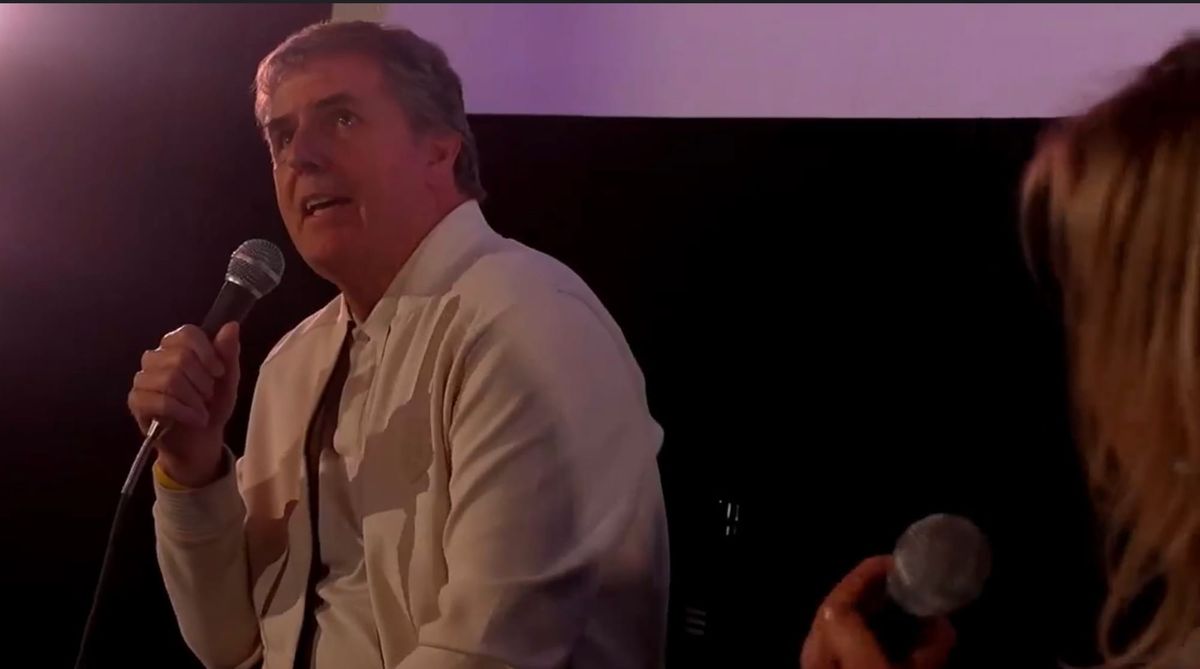
A grilling for the metro mayor
‘He-Man or Steve Rotheram?’ is not a question the Monitor expected to be asking random people in Crosby on a damp evening in June.
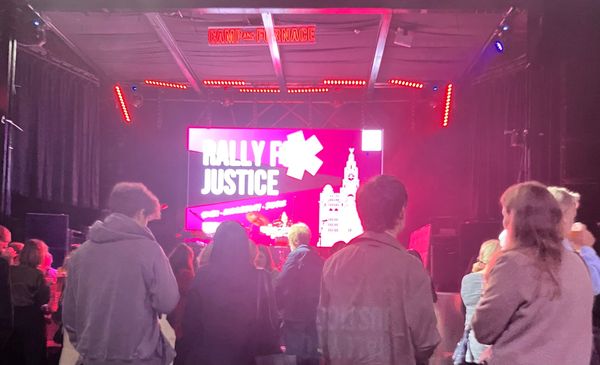
We do, however, go wherever the story takes us, and last night it took us to a slightly confused queue outside the beautiful and historic Plaza Cinema in Crosby for the first of the metro mayor’s revamped public question times.
The question and answer sessions, the first of which was held in Sefton on June 3, are set to be rolled out quarterly, giving residents an opportunity to ask Steve Rotheram about what he does and what he thinks.
While most people outside the cinema were indeed waiting to grill the metro mayor, some were actually lined up to watch an 80s comic superhero in action instead. This only became apparent because the queue seemed momentarily frozen in time for reasons not entirely clear. Nobody there appeared to have confused the two though, or so the Monitor gathered, so that was a positive start anyway.
Eventually the family queuing up for He-Man stepped outside of the existing line, waiting politely to one side for those of us attending Rotheram’s Q&A event, hosted by broadcaster Lucy Meacock, to make our way into the cinema (after showing some ID and a bag search).
What would they want to ask Rotheram if they were coming to our event instead, one person asked the family. A polite young lad responded hopefully: ‘To give us more money.’ That question, as it happens, didn’t actually get posed.
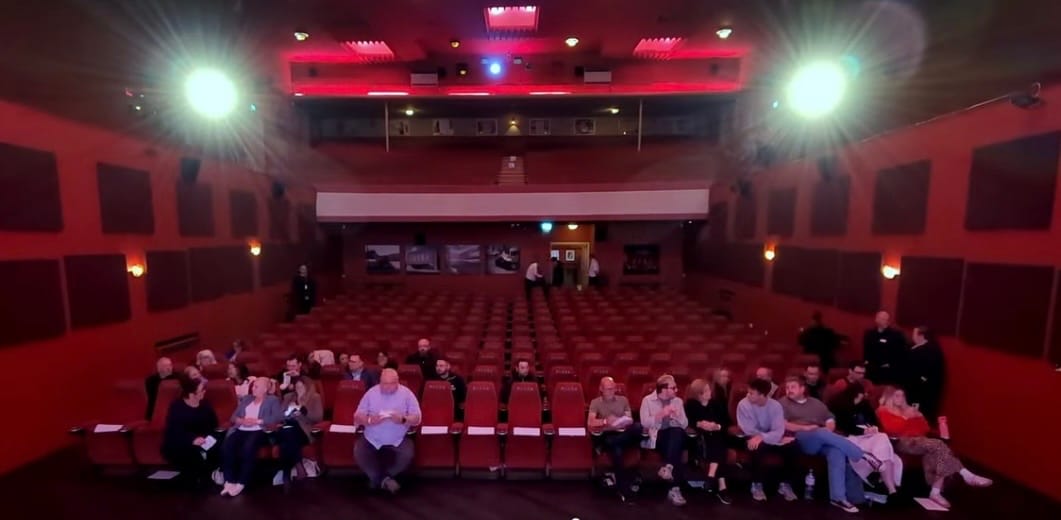
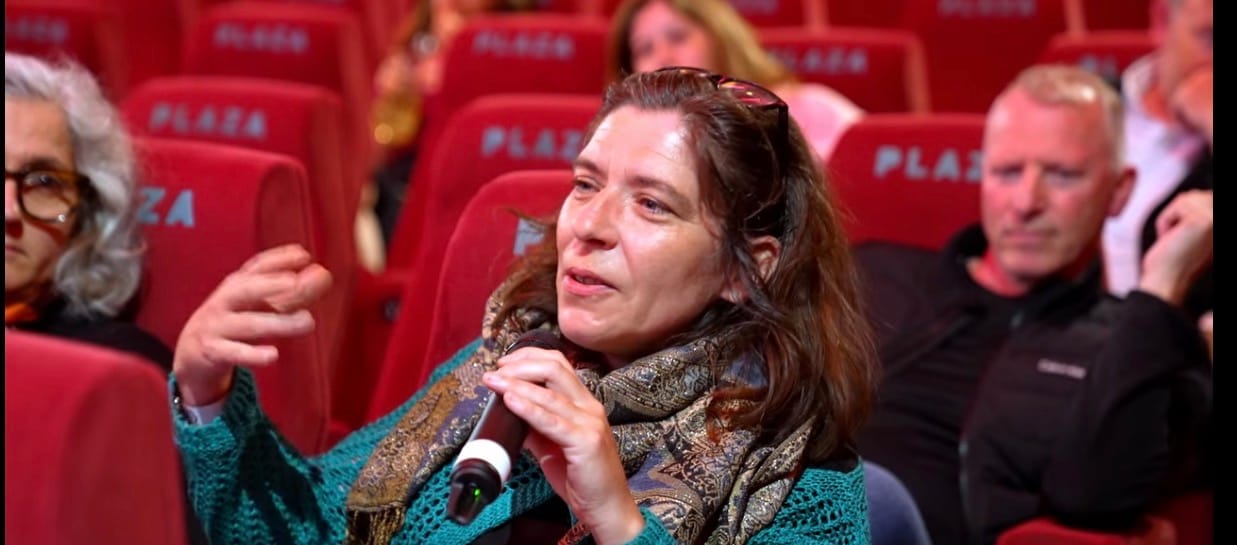
Over the next hour or so, the roughly fifty people sitting mostly in the front few rows of the largely empty art deco theatre, did though ask Rotheram a steady battery of questions on everything from planning and transport to housing, regeneration and culture. Most had been submitted in advance when booking the free tickets, although there was also space for questions that emerged as the evening unfolded.
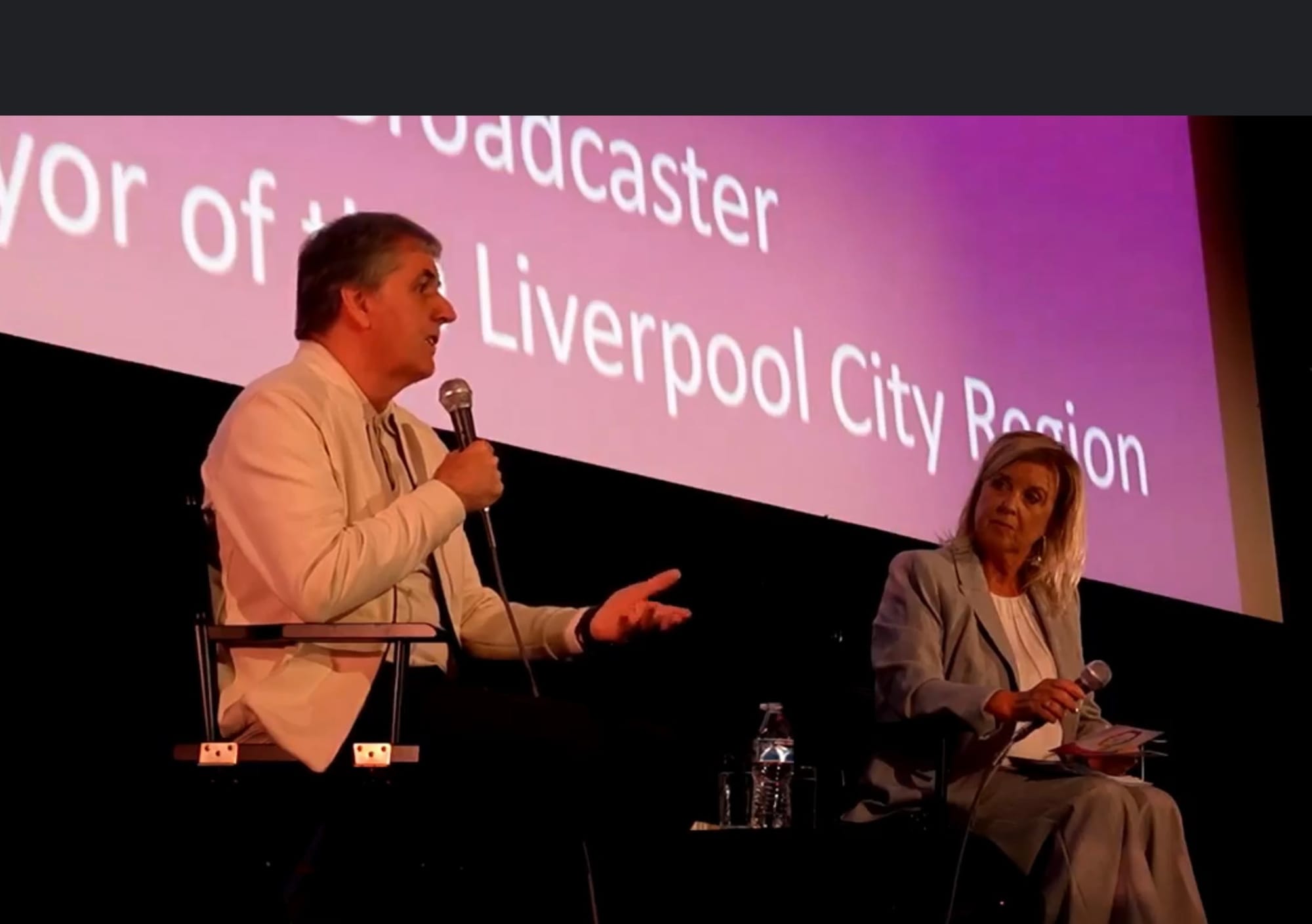
Some of the responses provided by the only metro mayor the city region has ever known involved, at least in part, untangling what activities sit under the banner of the Liverpool City Region Combined Authority, what falls to local councils and what ultimately rests with Westminster.
Two terms in, part of the battle remains, it seems, to explain what the combined authority can and can’t get involved with in the first place.
First up came a query about help for St Helens’ new Reform-led council, whose councillors aren’t on the whole sure how the local authority actually operates.
Rotheram responded that he had already met with the new leader, who had ‘explained they will need some support’. They’ve already admitted their inexperience, he continued, ‘with their appointment of someone they’ve had to bring in as a political adviser’.
He also spoke of the support the combined authority has already provided to the borough and the large regeneration project underway in the town centre. He spoke too about his experiences on the doorstep in recent elections, including what he described as growing cynicism amongst the public at a time when trust in politicians is at an all-time low.
On the combined authority’s specific role, Rotheram said he would treat St Helens ‘exactly the same’ as the other five Labour-led boroughs in the city region and is actively pushing to ensure the area receives its share of available funding.
Slightly cryptically trailing an announcement from central government next week, he added: ‘We’re saying to the government just because it’s a Reform council, people shouldn’t be shoved to one side.’
Is the rise of Reform in parts of Merseyside linked to a perception that more outlying areas can feel somewhat left behind while attention is focused on Liverpool city centre?
That question was followed by a bit of smooth political manoeuvring as Rotheram glided from broad denial - ‘I don’t accept only the city centre benefitted from devolution’ - to a reflection on local media focus tending towards the most densely populated areas, leading to a misleading public perception the combined authority doesn’t do much in the outlying boroughs, before swiftly moving on to a list of achievements across the region. St Helens, he argued, has actually ‘done better’ than the city centre in some respects in terms of funding.
Continuing on a theme of more outlying areas feeling like the poor relation, a question was asked about high-profile music events and whether Liverpool city centre receives too many of them at the expense of other areas.
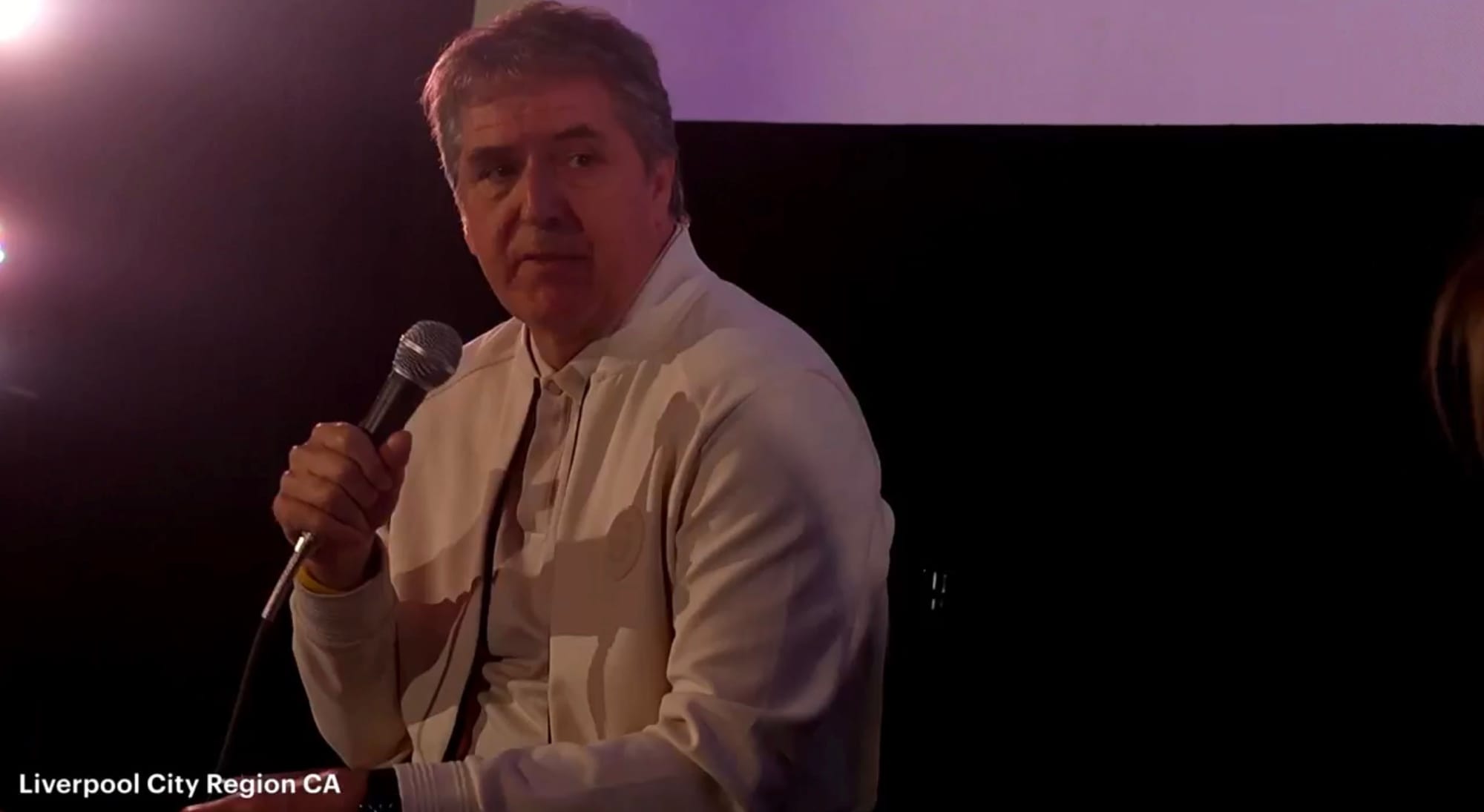
The city centre, as the main hub, acts as a ‘magnet’ for people and events, Rotheram explained. He also pointed to a wider programme of activity across the region, including Knowsley’s recent Borough of Culture celebrations and support for venues such as the Floral Pavilion in New Brighton. He also touched on events such as the Grand National in Aintree, and major golfing events in Wirral and Sefton.
He also spoke of Southport, where the tourist economy ‘fell off a cliff’ in the aftermath of the disorder following the tragic murders of three little girls at a Taylor Swift themed event in summer 2024, with the metro mayor speaking of work done by the combined authority to help bring visitors back to the area.
Merseyside will soon become the first region outside London with a billion-pound music economy, he added, with the combined authority working to support events across all six boroughs.
The mayor also spoke about growth plans focused on increasing productivity and attracting investment, including from businesses in Canada seeking new partnerships in light of difficulties caused by the Trump administration in the United States.
Responding to student representatives from local universities, he said the area has dramatically improved graduate retention. The transformation, Rotheram argued, has been quite startling, from sitting in the bottom ten nationally to now being among the top three areas in the country for retaining graduates.
There was also a series of questions about housing and development.
These ranged from a slightly testy exchange with past metro mayor candidate and independent political fixture Ian Smith, involving what appeared at times to be confusion over social housing, council housing and affordability, to more area-specific questions from residents about pressure on infrastructure in Thornton caused by extensive housebuilding and what can be done about the blight of empty buildings and stalled developments.
The structure some may well locally refer to as the ‘Elliot memorial to fractional sales’ (we do anyway here at the Monitor) sitting just off Leeds Street, was mentioned as one particularly visible reminder of the city’s recent development troubles. Rotheram agreed it is ‘a major eyesore’.
He spoke about Liverpool’s recent history of stalled developments, the Caller report and government intervention. While things have improved markedly, he argued, there are still projects that haven’t progressed.
On the Elliot landmark specifically, ‘something needs to happen’, he said, pointing to work underway around the nearby Pall Mall project, which has recently secured government funding for new office accommodation, alongside activity surrounding the restoration of Martins Bank building near Liverpool Town Hall.
‘It’s like a domino effect,’ he added. ‘If we give confidence to the market, the market will come in.’
There was also quite a lot of chat about transport infrastructure, timelines for buses coming back under public control, the compromise of trackless trams, the rollout of new and revamped train stations and a new Mersey Ferry, alongside plans to support active travel like walking and cycling, which Rotheram said ‘can’t be the poor relation’ within the boroughs’ transport systems.
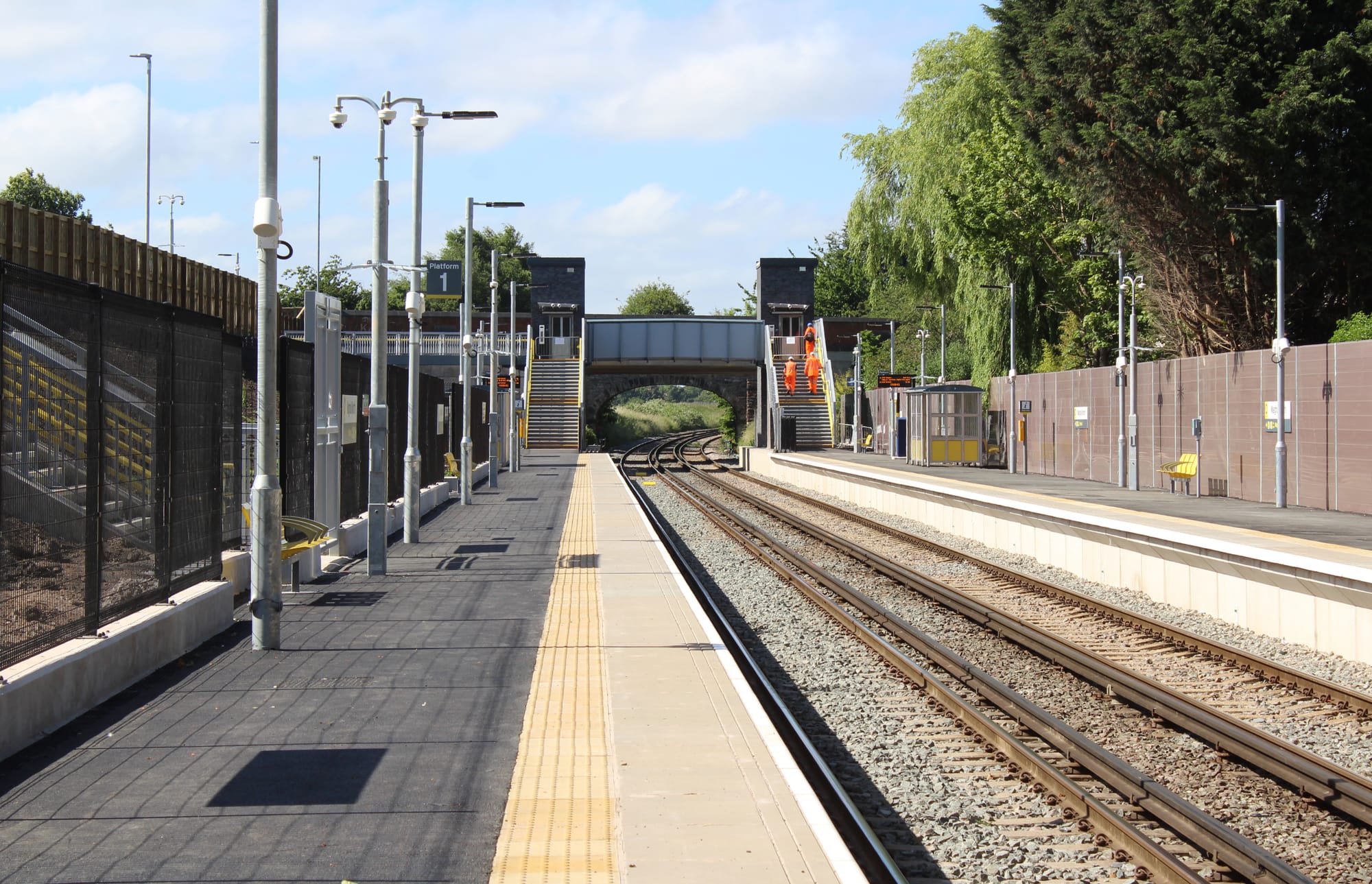
Other questions related to work to help young people find jobs and training opportunities and a request for support for train heritage works up in Rainhill.
The final question of the night was the Monitor’s: what did the mayor hope to achieve by these sessions?
To get across, first and foremost, Rotheram said, ‘that devolution is important to all your communities and far more important I think than for the number who have turned out tonight to properly understand’.
The metro mayor also had a question he said he was keen to explore. In light of increased funding opportunities from central government and inward investment, ‘what type of place do we want in the future?’
He also returned to an issue that cropped up throughout the evening: what devolution actually is, what can be achieved at city region level and where the limits are. To illustrate, he returned to the trams.
While he would prefer trams with tracks, politics is also about the art of the possible. ‘I haven’t got a spare two billion. It would also require an Act of Parliament. It would take at least to 2040 before we see anything, so the alternative is to look at a trackless tram, which is what I’m doing, but it’s not what I’d want.’
He added: ‘It’s about explaining really the practical solutions that you have to find to some pretty intractable problems.’
It’s something the mayor returned to again in a video about the event the following day, that ongoing task of explaining the remit of the metro mayor, what falls within the combined authority’s powers and what falls outside them. You can find out more about that here.
Events like this are also about public engagement of course and the lack of attendees was something discussed amongst some of those present immediately after the event. Host for the evening and broadcaster Lucy Meacock told the Monitor that years ago an event like this would have been ‘full to the rafters’.
With engagement in local democracy at an all-time low, the fact around fifty people turned up at all is perhaps an achievement in itself. While at the event, I took a look at turnout in the last metro mayor election - it was around 25%. It does speak to the state of things that my immediate thought was briefly: ‘Oh, not too bad.’ Some wards locally have had councillors elected on around ten percent of the available vote. People feel disengaged, disenfranchised and disconnected from politics, a problem that doesn’t appear to be going away any time soon.
If events like this encourage more people to engage with local politics, the Monitor’s view is bring it on.
But it’s also about something else close to the Monitor’s heart and which Rotheram touched on in promotional material after the event: ‘It is the democratic right of the electorate to hold politicians to account. And that’s really what tonight is about.’
On that wet and windy Crosby evening at least, more people did turn up for Steve Rotheram than He-Man. Whether fifty people in a city region of 1.6 million represents a healthy level of democratic engagement though is perhaps another question entirely.
You can watch the full livestream here, with details of the next question and answer session to be released closer to the time.
hang on a sec …
We’d love you to get involved in the Monitor any way you can. Whether you’ve got ideas for stories we should be looking at, are interested in becoming a contributor, or just by taking the time to have a nose, we’re grateful for you being a part of what we’re doing here.
You can always email us in confidence at themerseymonitor@outlook.com or call 07442 402 023.
If you’re not signed up as a member, it’s free and you’ll receive one or two emails a week and can then comment on the site, and we’d like to encourage discussion, so don’t be shy.
If you’d like to make a donation, we’d be very grateful for your support and it will help keep the Monitor sustainable. We don’t - and won’t - have wealthy backers or thirsty shareholders, nor will you find any paywalls cajoling you to stump up to read half an article. We are truly and only reader funded and we’d love your help. Any donation is welcome, and you can do that by clicking here: https://www.merseymonitor.com/#/portal/support
You can also set up a regular donation here: Donate
We have set the donation pages so that we aren’t notified of who has donated, this is to help safeguard editorial independence, but also means we can’t individually thank you for your contributions to help keep the Monitor sustainable. Please know your support means a lot, we appreciate you helping sustain local public interest journalism and helping to ensure free access for all.