Council decision to auction off the ‘family silver’ sparks concerns
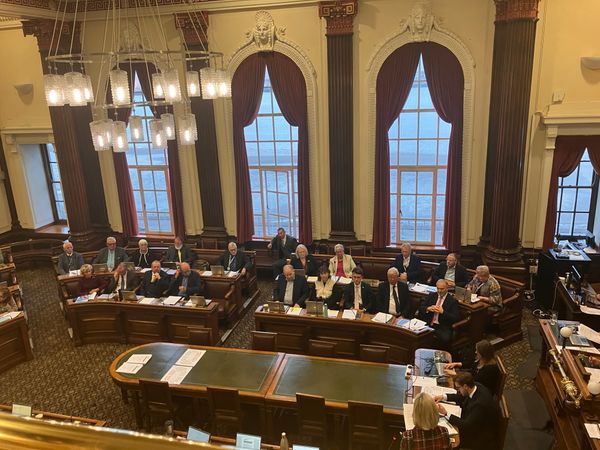
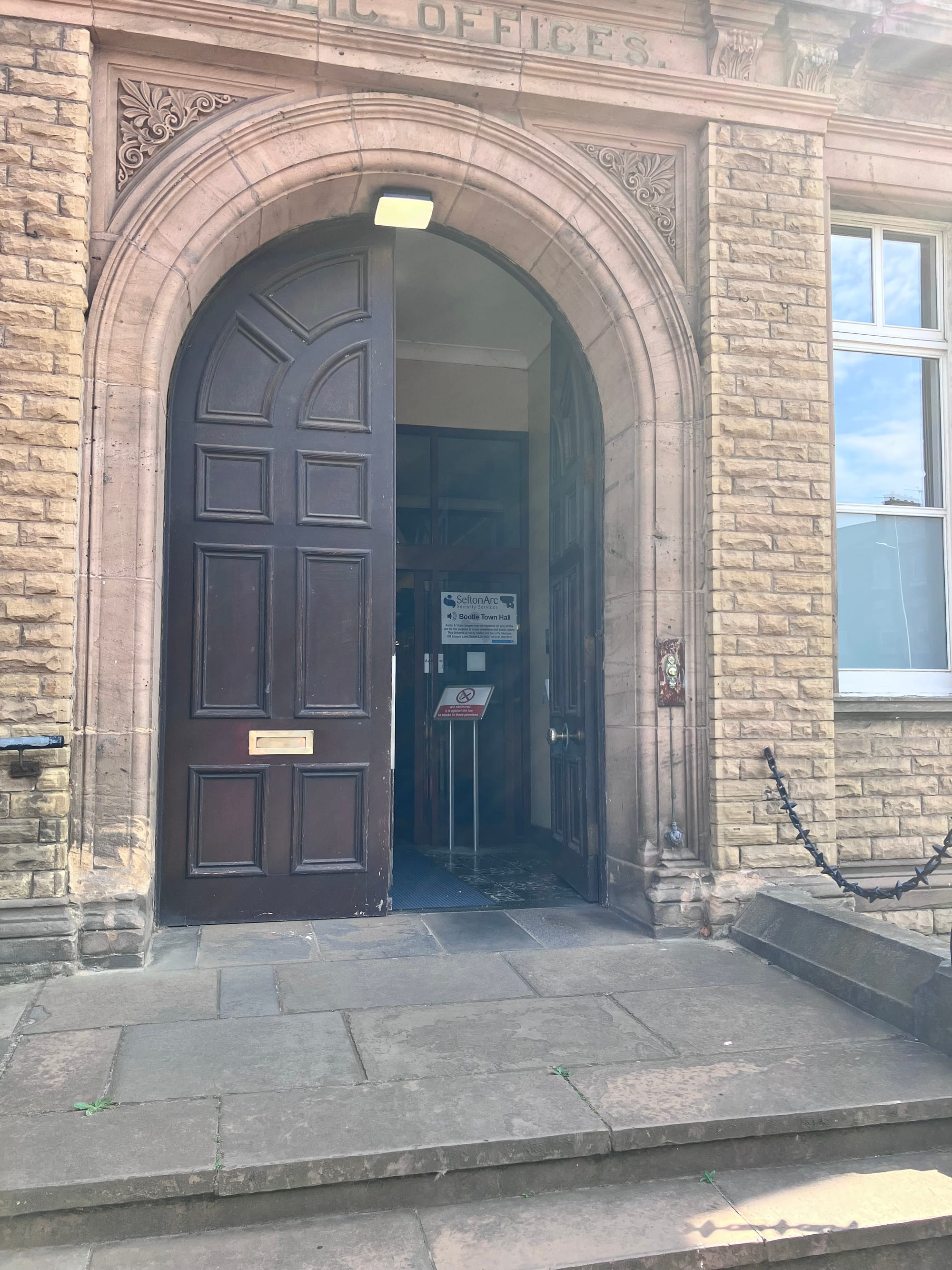
A special meeting was held at Bootle town hall to discuss the council’s plan to auction off three properties in Waterloo

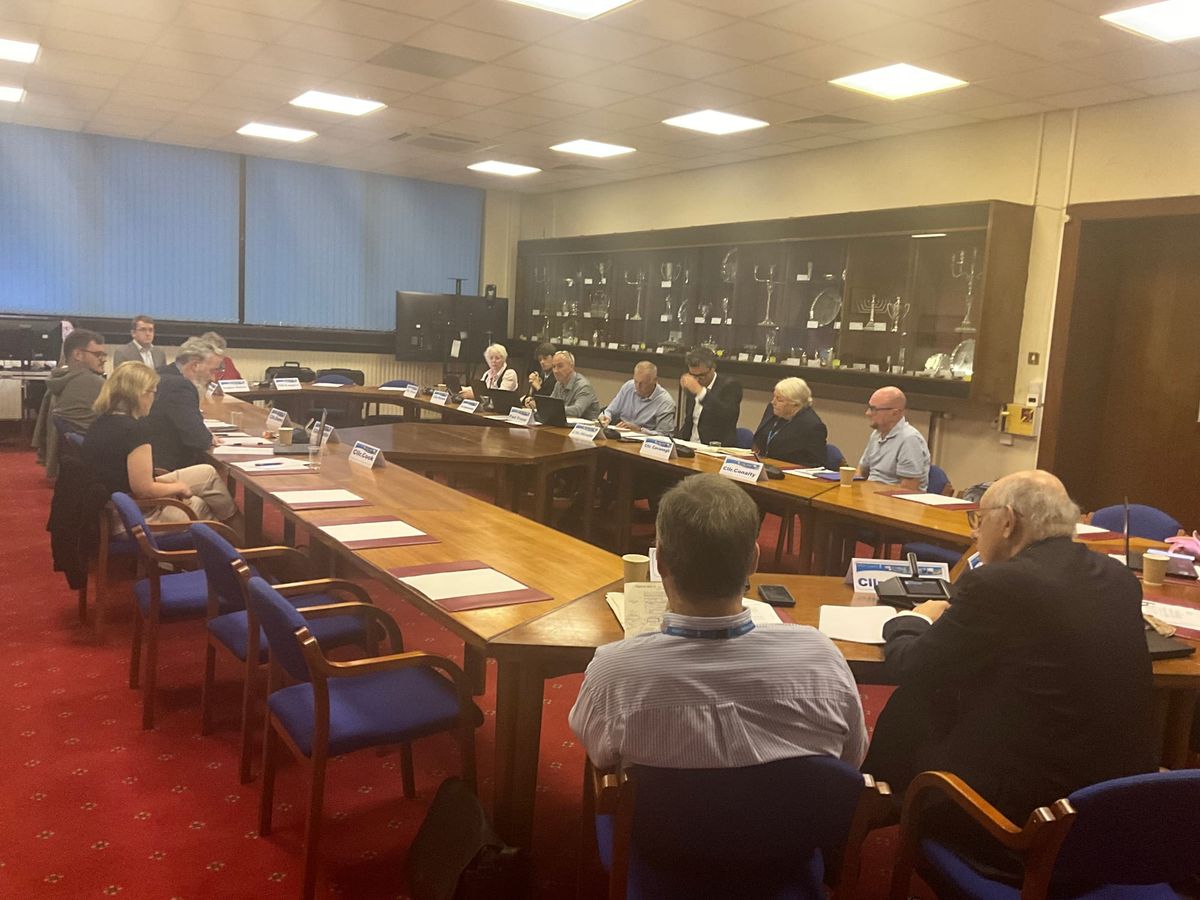
Sefton Council’s decision to auction off three buildings in Waterloo was put under the spotlight tonight at Bootle town hall after the borough’s three Green councillors spoke of concerns about the level of detail they’d been given about the plans.
The cabinet approved the decision to sell off the Esplanade on Brunswick Parade, 18 Great Georges Road and the former probation office at Crosby Road South last month as part of a larger tranch of properties set to be auctioned after a council report said they were surplus to requirements and costing the local authority money.
That decision was later ‘called in‘ for scrutiny by Sefton’s Green councillors, representing Waterloo, over concerns not enough information had been disclosed about how the decision was reached. The call-in meant a special meeting of the borough’s overview and scrutiny committee was arranged to discuss the decision, which was held at Bootle town hall tonight.
Speaking at the meeting, Sefton Greens leader and Waterloo councillor Neil Doolin said he and his fellow ward councillors had asked for more information about ownership, valuations, expressions of interest and alternative options, but hadn’t been provided with enough evidence to be able to assess if ‘best consideration and best value’ was being implemented.
Doolin also spoke of a lack of consultation with ward councillors and the local community about potential alternative options for the sites.
Responding, cabinet member and Labour councillor Paulette Lappin said she was satisfied the decision was ‘consistent with the council’s approved asset management strategy and represented the best interests of the council and its residents.’
Lappin said the buildings had been earmarked as surplus to requirement several years ago, after previously being rented out to charities and ‘partner organisations’ before they ‘handed back the keys’. She said the council had looked at other possible uses, including for education and temporary accommodation, but they hadn’t proved viable.
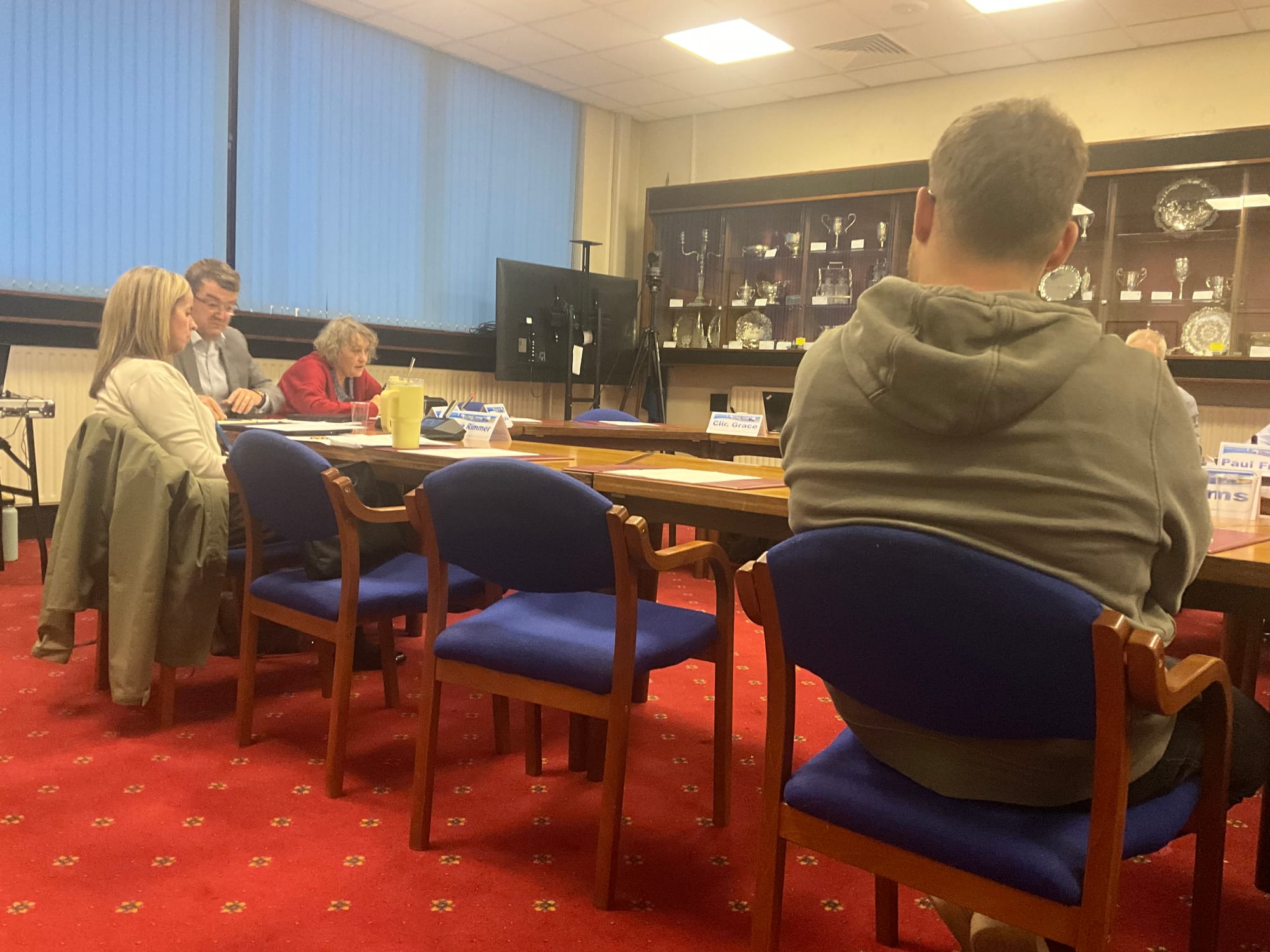
Sefton Council’s head of regeneration Steve Watson said selling the properties by auction would mean a ‘transparent’ and competitive process where the ‘the market determines the value‘, adding that the reserve price hadn’t yet been decided.
Lib Dem councillor Michael Braham said he had previously worked at the Crosby Road South building as a probation officer, adding ‘they were very presentable premises then’. He asked whether the council had considered the cost of bringing them back into use and leasing them out rather than selling them off altogether.
Watson said the council had explored alternative uses but some of the buildings had ‘significant challenges.’ Great Georges Road, for example, had multiple changes in level which created difficulties in bringing it back into use, with potential costs running into ‘hundreds of thousands of pounds’.
Referring to the issue of potential community asset transfer, which had been raised by Cllr Doolin, Watson added that a new council policy, coming to next week’s cabinet meeting, was aimed at creating a more ‘structured’ approach in future so that expressions of interest would be dealt with on less of an ‘ad hoc’ basis.
Liberal democrat councillor Mike Sammon asked whether anything could be returned to the people of Waterloo in recognition of the loss of publicly-owned buildings but Lappin rejected the idea, saying there was no council policy of ringfencing funds from selling council land and properties: ’We are a whole borough in Sefton and that’s how it works‘, she added, saying Crosby Lakeside might not have been renovated if money was ringfenced by ward.
Cllr Braham described the properties as ‘the family silver, albeit somewhat tarnished family silver‘. He added that he thought Lappin’s response to Sammon had been “possibly a little flippant”, arguing that it ‘wasn’t unreasonable’ for councillors to suggest money raised from assets in Waterloo could be reinvested in Waterloo.
Lappin rejected the suggestion that she had intended to be flippant: ‘I wouldn’t dream of being flippant to this committee,‘ she said.
Reform councillor Charles Denton appeared confused at one point about the location of one of the buildings and which buildings were under scrutiny, suggesting initially the Esplanade site was a block of flats before officers corrected him.
He also asked about ‘asset 2308’ before being told that building was ‘outside of this meeting’. ‘Forgive my ignorance’ was Denton’s reply, adding he’d only been a councillor for four months.
Denton also asked whether the council had a policy which would trigger disposal after a property had remained vacant for a set period, pointing to the costs of leaving buildings empty for many years.
Watson said the council had both an asset management strategy and a disposal policy, which were reviewed annually, and that he would provide Cllr Denton with the links to those policies. There wasn’t a fixed period after which a vacant property would be automatically sold, he added.
Officers said the properties would also only be sold with a clause preventing them from being used as HMOs, stating this had been requested by councillors and also included in other recent property disposals.
As the discussion drew to a close, Cllr Doolin said the evidence heard during the meeting had strengthened the case for call in: ‘We’ve heard a considerable amount of information this evening, some of which wasn’t available when the decision was made to sell the assets,’ he said.
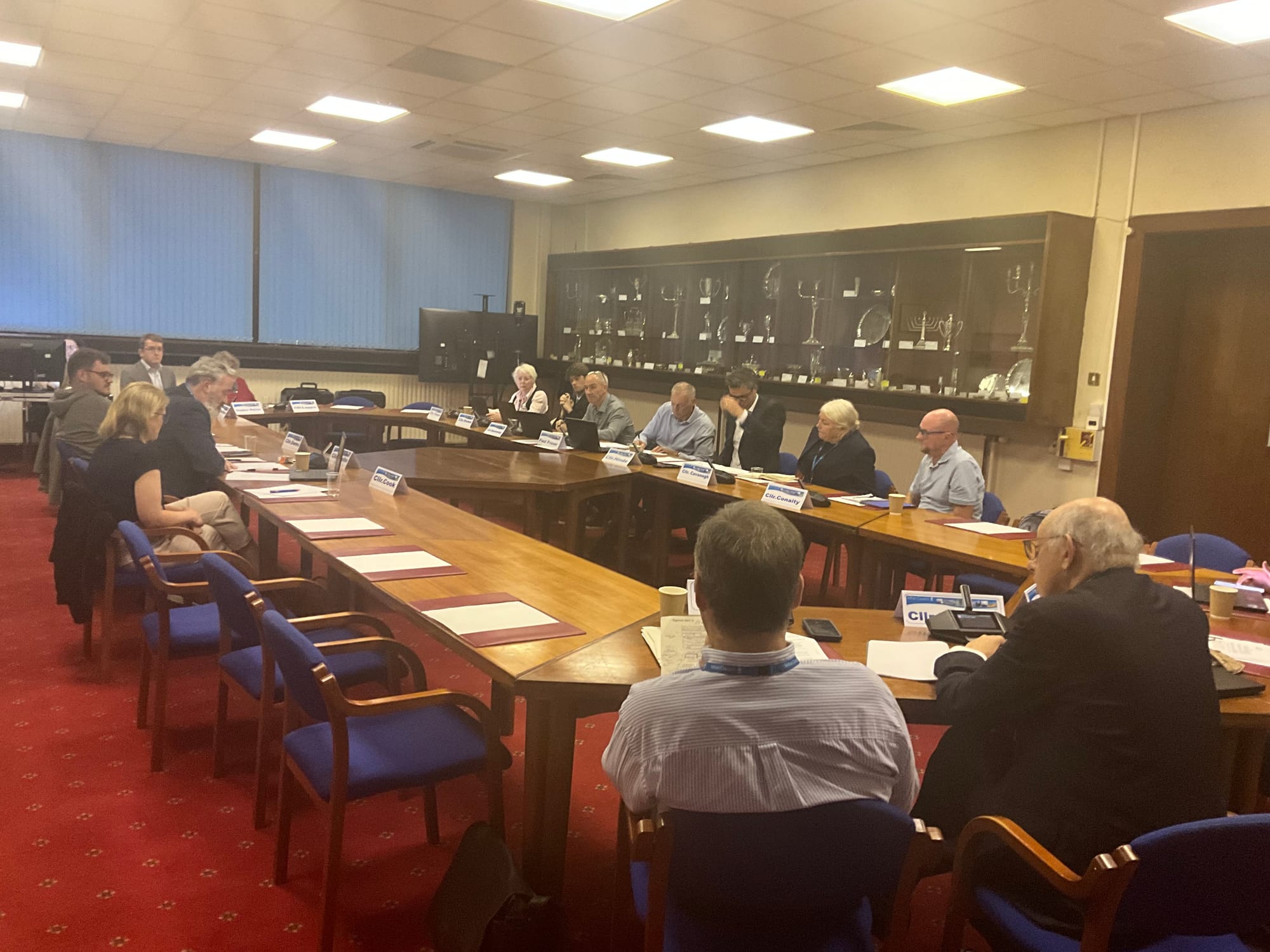
‘The fact that part of the information is only now emerging reinforces the concern that we as members did not have access to the full picture when the decision was made’ he added.
However, when it came to the vote, Labour councillors were not convinced. Labour councillor Cavanagh put forward a motion that the committee was ‘not concerned’ about the decision which was seconded by fellow Labour councillor Janet Grace.
Five Labour councillors voted in favour, four opposition councillors voted against and the chair, Labour councillor Sam Hinde, abstained. The auctioning off of the buildings can now go ahead.
before you put in your bid…
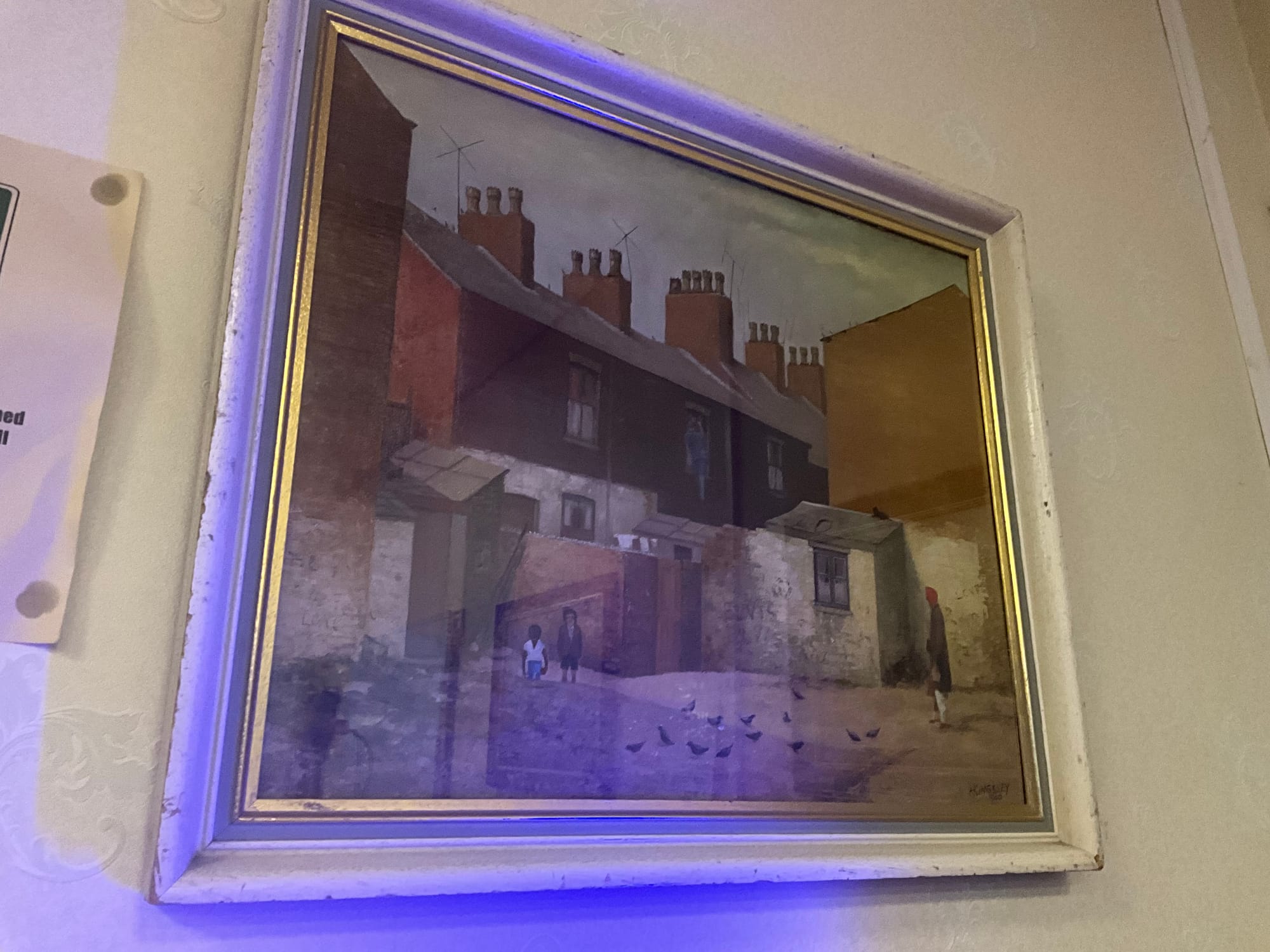
We thought you might like this picture, part of the ‘family silver’ in Bootle town hall, which sits in the committee room on the ground floor.
Called ’Playmates, Bootle, Merseyside 1960s’ the painting is by Manchester artist Harry Kingsley, who was known for his depictions of the post-war industrial north. According to an online record by the Atkinson Gallery, the painting was gifted by the artist himself in the 1970s.
First time visiting the Mersey Monitor? Welcome!
We’re an independent public interest news site covering Merseyside on a not-for-profit basis.
Everything we publish is free to read, with no paywalls, and we’re funded by reader donations.
You can sign up to receive our emails (they’re totally free) at the bottom of this page.