Replacing Wallasey Tunnel’s asbestos-backed wall panels could cost millions
Over 8000 panels backed with asbestos could be removed from the busy tunnel

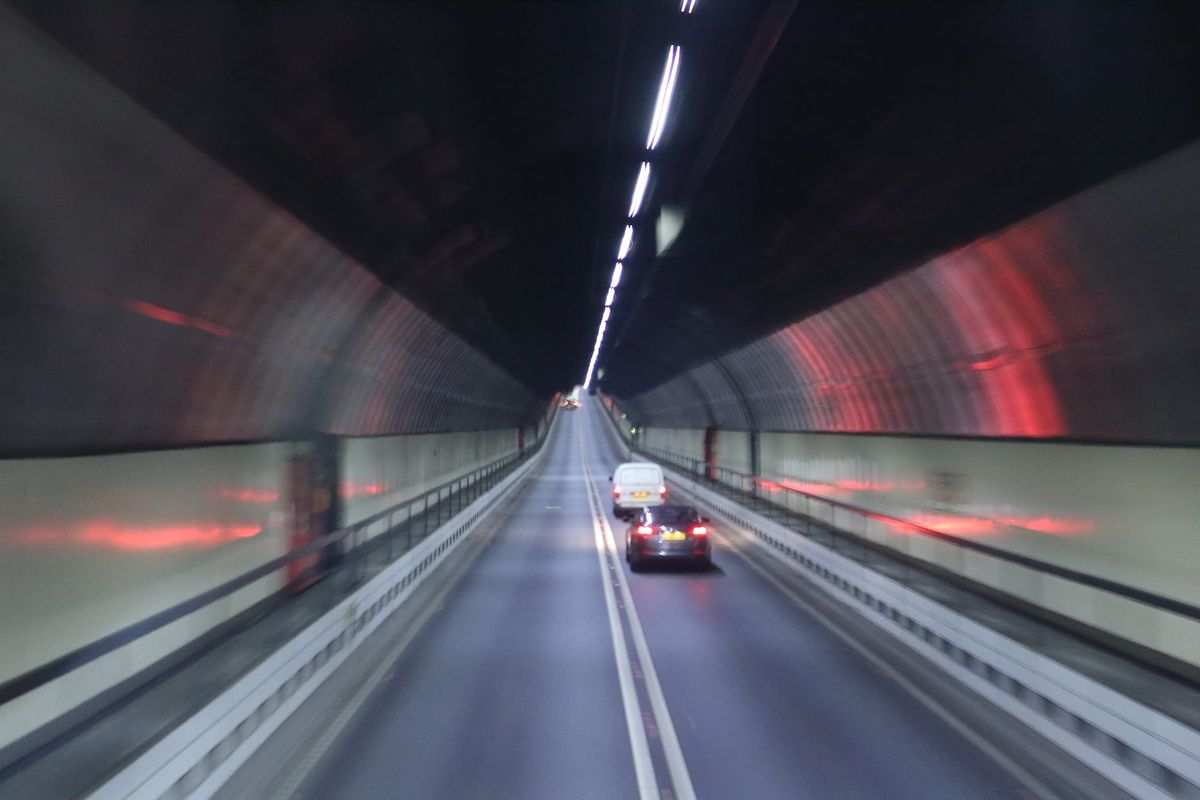
Millions of pounds could be spent removing thousands of asbestos-backed panels lining the walls of the Wallasey Tunnel, some of which have begun deteriorating or coming loose.
Merseytravel, which runs the Mersey Tunnels on behalf of the Liverpool City Region Combined Authority, is inviting bids for a contract worth an estimated £4.6m to remove over 8,000 panels from the lower walls of both parts of the Kingsway Tunnel, which runs between Wallasey and Liverpool.
In June, Merseytravel described the panels as presenting an ‘ongoing maintenance and operational risk’, with some having loosened or detached from their frames and the asbestos backing on others deteriorating over time. Temporary measures had already been put in place to secure the panels, according to a contract advert published at the time.
The work has been planned for almost a decade. In June 2018, after a £7.5m electrical rewiring project that involved moving cables beneath the road instead of behind the asbestos-backed cladding, Merseytravel announced that its ‘investment programme will also include renewal of wall cladding in the Kingsway Tunnel’.
Money was set aside for replacing the panels in various Merseytravel budgets over the following years, although it wasn’t until this summer that the organisation began inviting companies to bid for the work.
In June, Merseytravel advertised a contract worth around £6m to refurbish or replace the lower wall cladding, alongside a separate contract for removing the existing panels. The removal work was advertised again on 8 October, with an estimated value of £4.6m, including VAT.
As well as removing the panels, contractors will have to take out redundant cables and electrical equipment, clear away debris from behind the cladding and seal asbestos-containing material used in joints in the tunnel walls.
Asbestos was widely used in construction before being banned in the UK in 1999, after exposure was linked to serious diseases including lung cancer and mesothelioma. It can still be found in older buildings and structures, where it is often left undisturbed or sealed rather than removed.
According to the latest tender, the work could begin in January 2027 and continue until July 2028, with the option of extending the contract until January 2029. The panels would be removed in stages, with contractors required to plan how to carry out the work safely while minimising disruption to tunnel users.
Asked about the plans, a Liverpool City Region Combined Authority spokesperson said: ‘The Combined Authority invests millions of pounds each year in the maintenance, operation and improvement of the Mersey Tunnels network, ensuring these vital assets remain safe, reliable and fit for the future.
‘Routine maintenance and safety inspections are regularly carried out in the Kingsway Tunnel, including checks on the tunnel’s protective wall panels.
‘This work forms part of a planned programme of investment in the Kingsway Tunnel. To minimise disruption to tunnel users, the majority of these works are being undertaken during planned overnight closures, with additional overnight closures scheduled where necessary to deliver the programme safely and efficiently.
‘The safety of Mersey Tunnel users and staff remain a top priority, and we will continue to keep tunnel users informed as the work progresses.’