HMO controls, council overspending and closed door meetings on Merseyside
What’s happening across Merseyside this week?


Mersey Monitrons, a warm welcome to our Sunday newsletter about all things local democracy on Merseyside.
It’s been a couple of weeks since we last wrote to you like this, but of course, we haven’t been twiddling our thumbs. We’ve been from Anfield to Maghull, and plenty of places in between, finding out what's going on at our local councils, all of which will soon find its way into the Monitor’s pages.
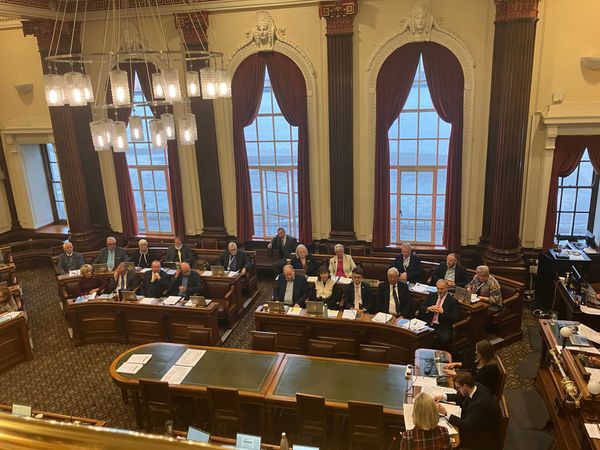
John Brace and I even spent over three-and-a-half hours at Wallasey Town Hall last week, listening to councillors discuss everything from finances to fly-tipping, and where somehow Friedrich Engels, Charles Dickens and Dolly Parton all got an honourable mention.
 Lisa Rand
On Tuesday, we published a piece by Ashish Prabhu, Patricia Shaw and myself about an event at Camp and Furnace, where campaigners described years, sometimes decades, spent fighting for justice. In part, the evening was about accountability of public bodies, but it was also about accountability of the press. It got me thinking again about why we started the Monitor.
If you’ve been reading for a while, you might know I worked as a journalist for other publications in Liverpool before taking what I sometimes describe as ‘a two-year sulk’. I call it a sulk, but it was worse than that. I’d become thoroughly disillusioned with how journalism was being done and for a while wasn’t sure I wanted anything more to do with it.
For me, the answer to what journalism is for is, in some ways, quite simple. People want to know what’s going on around them, but most of us are too busy to spend our days digging through council papers and attending meetings to work out who’s responsible for what. Journalists do that work, giving people the information they need to help them make up their own minds. How the industry can all too often operate, however, is another matter altogether.

Listening to the people at Camp and Furnace speaking about their experiences brought something home. We do need a strong independent media, certainly, one helping to hold public bodies to account. That also means accepting the responsibility that comes with publishing and fostering a culture that treats ethical editorial standards as paramount.
It’s a big part of what we’re trying to do at the Monitor. We started in April as something of a one-woman band, with help behind the scenes and a group of thoroughly treacherous felines for company. Nearly six months later, we’re still figuring things out, but we’ve also started to become something of a team, including excellent contributions recently from John, Ashish and Patricia, a trio of very accomplished journalists donating their time to keep you informed.
We’re also delighted to welcome Dr Kirsty Styles, who knows an enormous amount about journalism and its ethics, to help with editing and storytelling. She’s already been working her magic behind the scenes, but we’re far too pleased to have her on board to keep it quiet. We’re still building the Monitor without a paywall or advertising, with most of us fitting the work around other commitments. More on that later, but for now, back to those council decisions.
HMOs: nuisance or refuge?
It’s been quite a fortnight for Article 4 decisions across Merseyside, with four councils approving, proposing or investigating new planning controls on Houses in Multiple Occupation (HMOs). Article 4 removes the automatic right to turn an ordinary home into a HMO, housing three to six people, instead requiring planning permission.
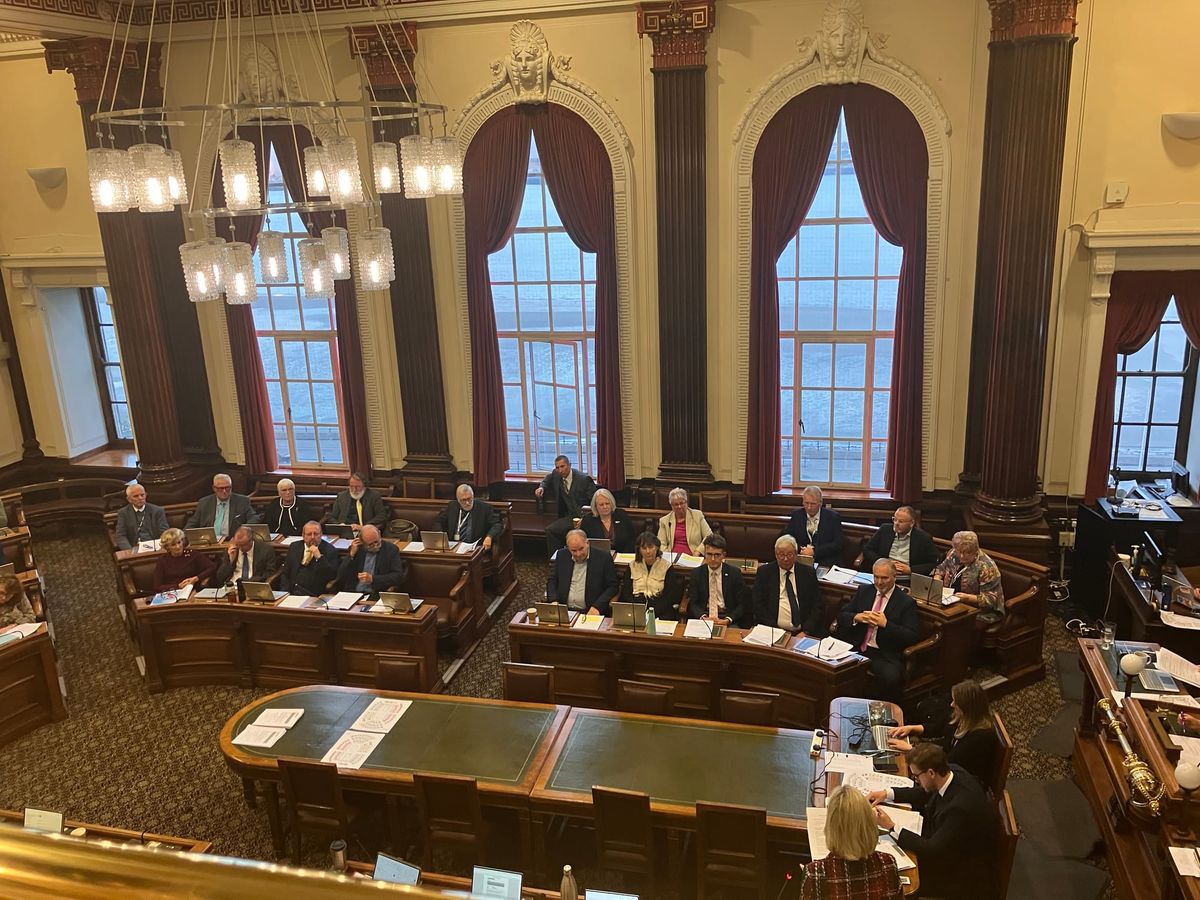
Liverpool’s Cabinet approved ‘immediate’ plans on Tuesday to extend existing controls to five more areas, including parts of north Liverpool, Old Swan, Penny Lane and St Michaels, with the rest of the city likely to follow in October 2027. It led to a longer cabinet meeting than usual, and a bit of a spectacle, as a carousel of councillors lined up to have their say on what Article 4 means for their residents.
Council leader Liam Robinson said it was the city’s ‘main planning priority’ but also only one of a ‘number of tools in the box’ to address the proliferation and concentration of HMOs in parts of the city, while housing cabinet member Hetty Wood spoke of the importance of the council having ‘robust legal evidence’, and this being why the council couldn't bring out a borough-wide Article 4 yet.
Some areas like Fazakerley East had ‘not quite’ met the density threshold for an Article 4 direction but could potentially be included in a future-borough wide measure, she added.
Several councillors spoke of wider problems with the planning process, including Cllr Robinson, who said planning rules drawn up by the 2010 coalition government had left HMOs of six bed or less with effectively ‘the same planning status as a conservatory.’
Speakers also raised the issue of narratives coming from various quarters around HMOs and people seeking asylum. Cllr Sam East said some ‘people in the press and in politics have sought to make this issue I think exclusively and unfairly about race and religion as if HMOs fell out of the sky months ago.’ adding ‘those people haven't helped get us here today.’
Cllr Steve Radford spoke about houses run by Serco in his ward and reports of flyers through the door by companies offering to buy houses from residents. ‘The lack of facts is aggravating some of the perception’ he added. Cllr Robinson said Serco accommodation contracts for people seeking refuge was a legacy of the previous government, with an impending break clause at the national level creating potential options for changes to the way decisions are being made. ‘It has to be equitable’, Cllr Robinson added.
Others spoke of the importance of there not being a blanket ban on HMOs and them being a legitimate component of the city’s accommodation mix when well run and not overly concentrated. Cllr East referred to his time in an HMO as a child as simply a place ‘where I could see my dad.’
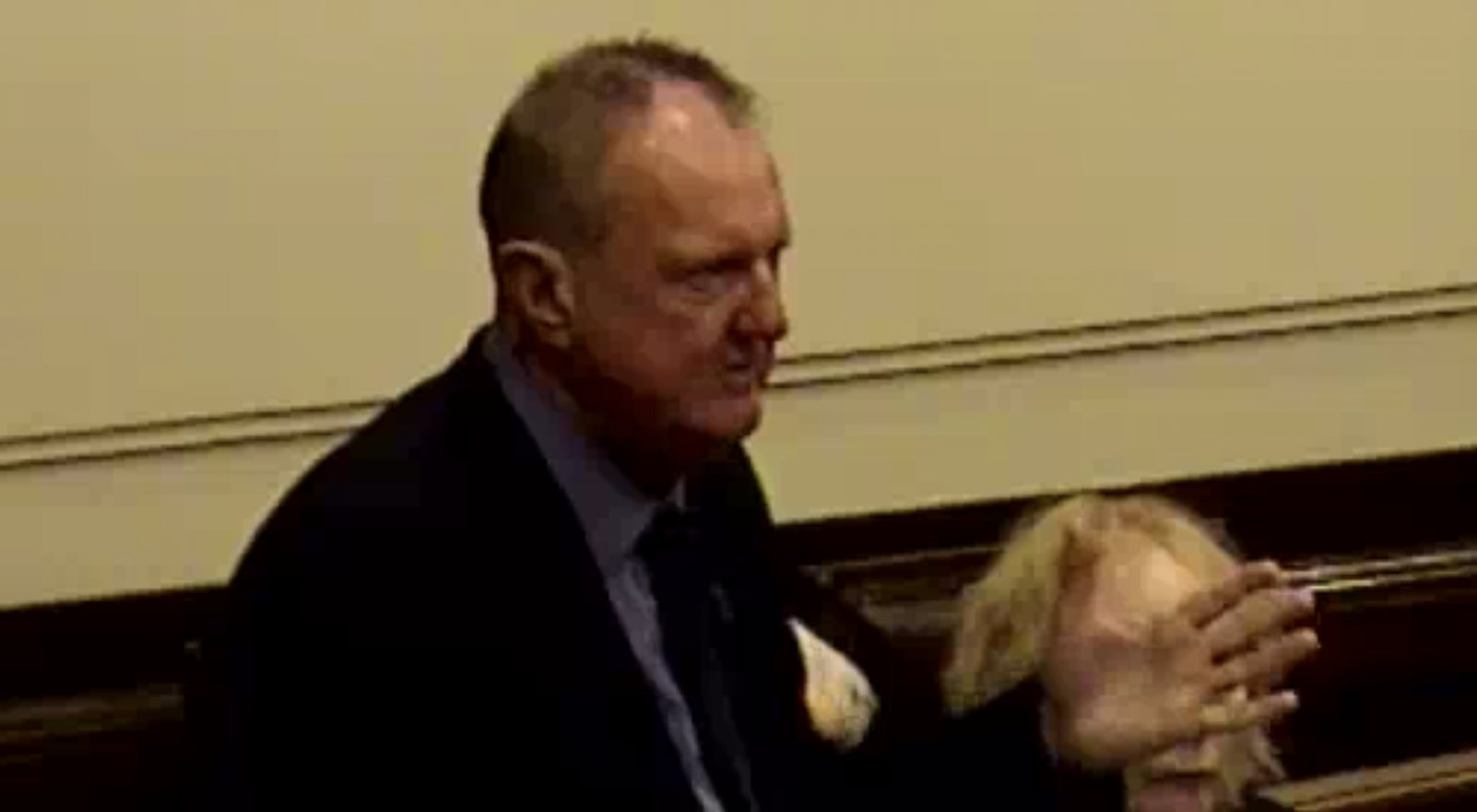
It brought echoes of comments made earlier in the week by Wirral councillor Steve Foulkes over in Wallasey town hall, when he told colleagues that he once lived in a HMO himself following a break-up, affectionately dubbed ‘heartbreak hotel’. He spoke about how such accommodation can offer people a refuge during difficult periods in their lives. I’ve certainly been there too in my student days, back before there was really anything in the way of controls.
One I stayed in was of particularly interesting ‘quality’ and we would occasionally wake up to find the landlord sleeping on the couch because their partner had kicked them out. Said landlord was also once seen throwing plaster at a hole in the ceiling only for it to fall back down on their head, without changing their tactic, for about an hour. Memorable, messy and buttons a week.
At Wirral’s full council meeting on Monday, councillors agreed unanimously to ask the chief planner to investigate borough-wide controls there and Knowsley’s Cabinet backed a report to bring in borough-wide controls on Wednesday, which stated ‘if a partial Article 4 Direction is made, it is likely that this would mean that further HMOs would be concentrated in any area that is not included.’
Sefton, something of a trendsetter on Merseyside, already introduced its borough-wide Article 4 Direction on a similar basis last October. St Helens, meanwhile, is urgently consulting on measures of its own, looking to a proposed start date of 1 December.
Large numbers of HMOs in particular areas do mean fewer family homes and they have led to concerns about noise, rubbish, parking and living conditions. But councils also need strong evidence to justify Article 4 controls, as Liverpool has said that’s why its ‘immediate’ direction is a piecemeal approach with plans to introduce a borough-wide one next year. Article 4 directions don’t ban HMOs. It just means proposed conversions have to go through the planning process instead of being allowed to go straight ahead.
Meanwhile, Liverpool’s Cabinet last week also approved changes to how Section 106 developer contributions are managed, something we’ll be looking at more closely - and there's a slightly mysterious second cabinet meeting of the month coming up later this week about ‘disposal of property’. No other information is provided because the report, as well as the meeting, has been exempted from public view.
Sefton’s overspending, complaints and unanswered questions
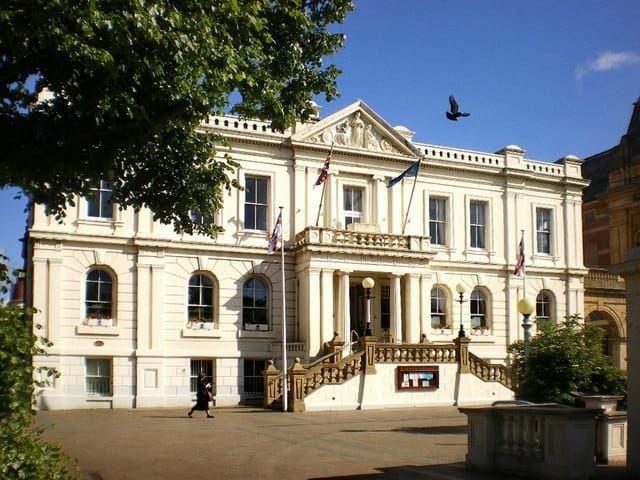
Sefton Council is forecasting a near-£8m overspend this year, with children’s social care expected to go more than £12m over budget. The council already set aside more than £9m in February to meet these financial pressures, but has now approved further measures, including a recruitment freeze and a review of ‘non-essential expenditure’.
There’s also an interesting picture coming from its performance figures. During the first quarter of this financial year, only 68% of formal complaints to the council were resolved at stage one within 15 days. The target is 90%. Only 82% of Freedom of Information requests were answered within the statutory 20-working-day period too, meaning nearly one in five weren’t responded to within legally defined limits.
The council says performance is improving and senior officers are receiving weekly reports on overdue cases. All this and more will go before councillors at an Overview and Scrutiny Committee meeting at Southport Town Hall on Tuesday evening.
A £25m backstory brought to a meeting behind closed doors
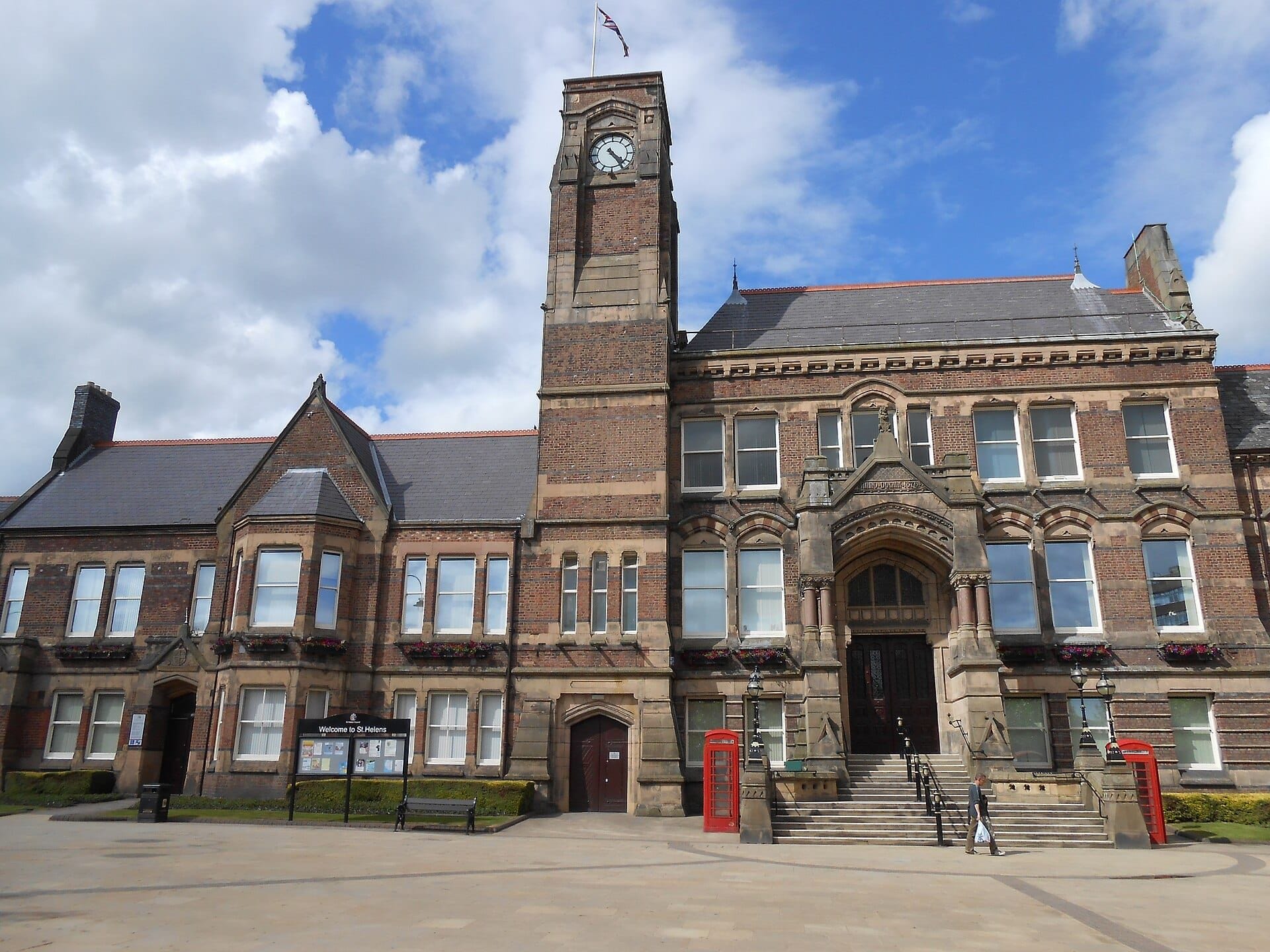
In St Helens, the Cabinet is due to consider another update on the redevelopment of the former Parkside Colliery in Newton-le-Willows on Thursday. But anyone hoping to find out exactly what’s proposed will be disappointed, because the entire report has been marked exempt from publication.
Parkside is a joint venture between St Helens Council and developer Langtree to turn the former colliery into an industrial and logistics park. Its first phase is expected to provide around 800,000 square feet of industrial space (about 10 regulation football pitches) and up to 1,300 jobs. Preparatory works costing £15m began earlier this year, but the finance arrangements have already changed quite substantially.
Last October, the Cabinet moved away from plans to secure a forward-funding investor and instead backed a five-year loan worth up to £24.7m, excluding interest, through the Urban Development and Chrysalis funds. That report was considered behind closed doors too, although the broad decisions appeared later in the published minutes.
Tomorrow's bins
Wirral residents are being asked about plans to have their green bins, which are for general waste, for the uninitiated, collected every three weeks instead of fortnightly.
The consultation, launched last week, follows the award of a waste collection contract to Biffa worth up to £350m over 16 years, although the initial agreement runs for eight.
When Wirral Council went out to tender last year, it asked bidders to price two approaches: smaller bins collected fortnightly or existing bins collected every three weeks. Biffa, the only bidder and current provider, was awarded the contract earlier this year.
We covered it at the time because the wider arrangement also involved the council curiously buying Biffa’s depot, doing it up and renting it back to them. The new bin contract begins next summer. If you’re as fascinated by bins as we clearly are, catch up on all that here.
The council’s preamble to the consultation says: ‘Like all local authorities Wirral council is facing increasing financial pressures, rising waste disposal costs, and ambitious government environmental targets’, adding the local authority needs to keep collections ‘efficient’.
The proposals Wirral residents are being consulted on include weekly food waste collections and fortnightly recycling alongside the three weekly non-recyclable waste collection. The alternative, of keeping fortnightly collections involving smaller bins, would be ‘very costly’ the council added.
The consultation runs until November 25.
A new chapter for a pavilion named after a football pioneer?

Prescot legend Sylvia Gore scored the first goal for England’s women’s football team in 1972, when England beat Scotland 3-2, securing her something of legendary status. She went on to become a coach, manager and all-round-important figure in women’s football, and in recognition of this, there’s a pavilion bearing her name in her home town.
Knowsley Council is now proposing to grant Berkley Football Club CIC a 27-year lease of the Sylvia Gore Pavilion at King George V Playing Fields, along with its maintenance compound and car park, for sporting and community use. Representations are invited until 27 October.
Three-and-a-half-more hours for Liverpool’s libraries
Liverpool Council’s consultation on opening hours at its 14 libraries closed yesterday, where people were asked about proposals to increase them from 493 to 496.5.
Some libraries will open longer on Saturdays, while others will lose evening hours. Central Library’s Sunday closure, in place since 2020, would also become permanent. The archive search room is included in the proposals too.
An extra Saturday hour might be welcome, but shaving evening opening times makes the library harder to access for people at work during the day. Whether three-and-a-half-extra hours spread across 14 libraries is an improvement perhaps depends on where they end up. We’ll see what residents have said soon enough.
Which Phil?
Liverpool has quite a lot of Philharmonics on just one street. There’s the concert hall, the famous Philharmonic Dining Rooms diagonally opposite, and, just to make things more confusing, the Philharmonic Hotel at 30 Hope Street. It’s the last of these that wants to be able to sell alcohol 24 hours a day, seven days a week.
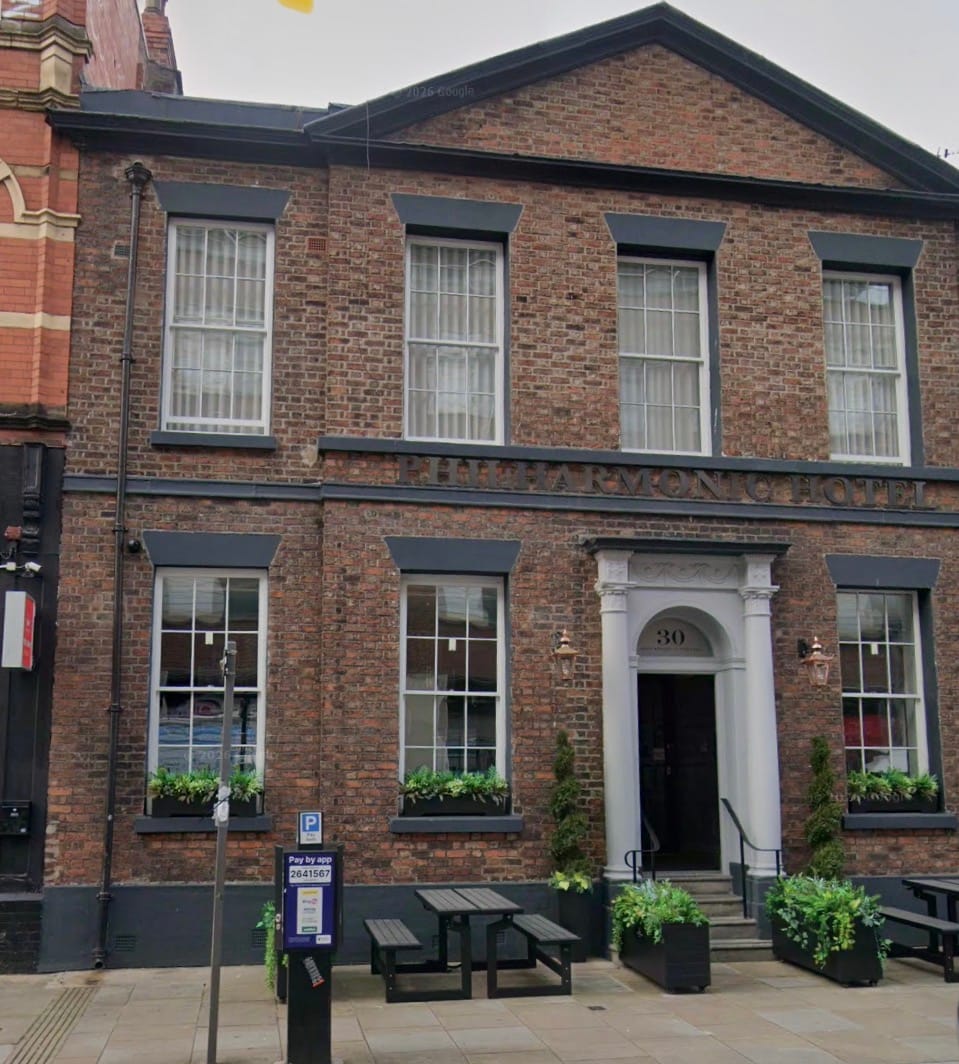
The hotel is a few doors down from the pub with the famous gents loos, so anyone picturing an all-night session beneath the magnificent ceilings of the Philharmonic Dining Rooms will be disappointed. It wants to serve alcohol around the clock, including to non-residents, between 7am and 2am. It also wants live and recorded music indoors until 2am and late night refreshments until 5am.
The Philharmonic Hotel previously had a licence allowing alcohol sales around the clock to residents and their guests, although that’s now ‘lapsed’. Representations can be made to Liverpool City Council until 28 October.
Job loss fears in vital infectious disease research
Concerns are being raised at Liverpool School of Tropical Medicine (LSTM) where the University and College Union (UCU) claims management are considering large-scale, compulsory redundancies. LSTM says it needs to make savings of around £8m this financial year, with similar amounts in each of the next two, and we know a voluntary severance scheme has already taken place.
Founded in 1898, LSTM was the world’s first institution dedicated to tropical medicine, and is internationally recognised for its work on infectious diseases and global public health. UCU general secretary Jo Grady warned that cuts could ‘risk the vital research capacity in the region’, calling on management to rule out job losses and work with the unions.
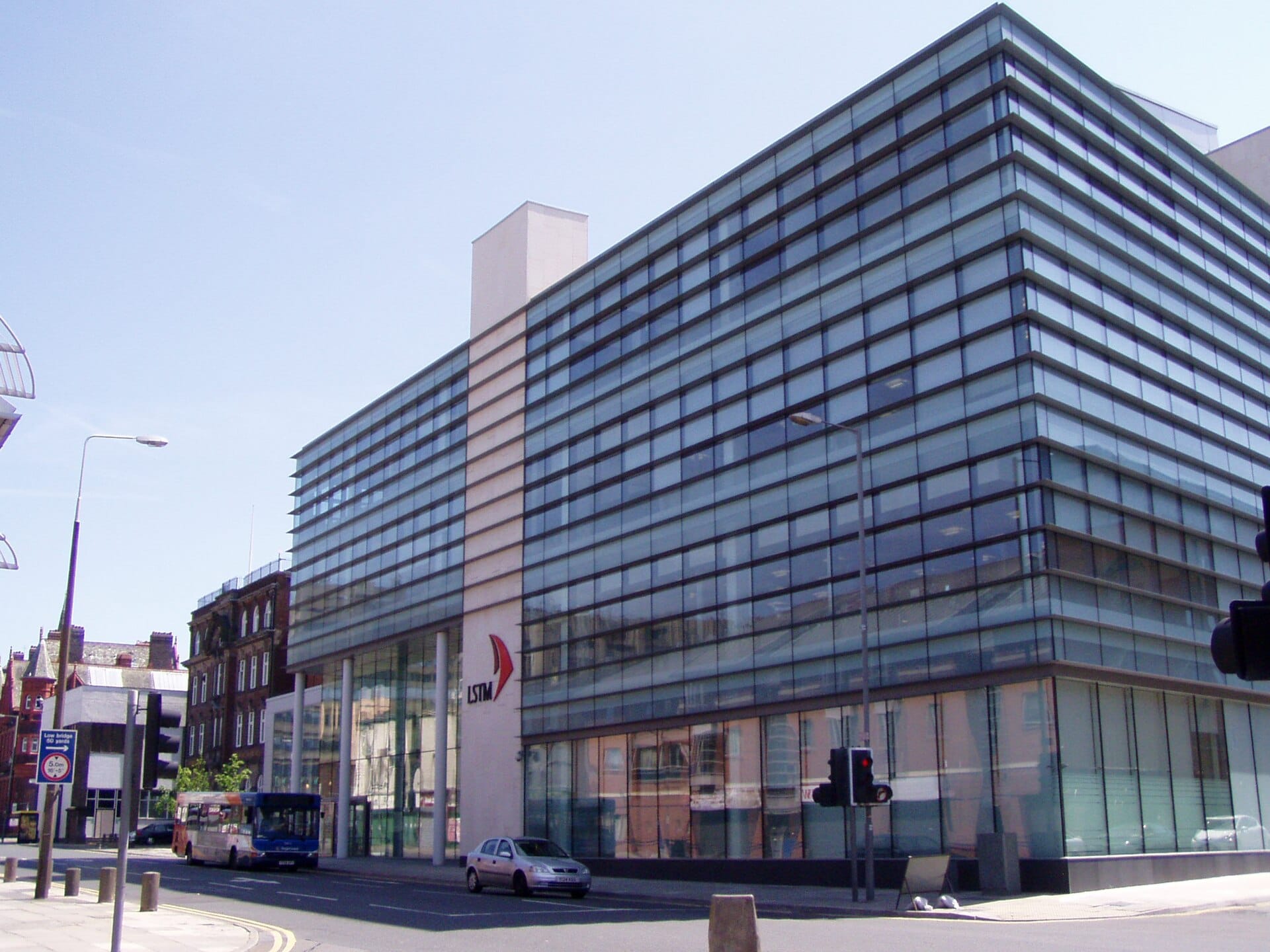
In a statement to the BBC, an LSTM spokesperson said the school faced significant financial challenges and needs to remain sustainable. ‘This means we are faced with some very difficult decisions, including potential redundancies,’ the spokesperson said.
UCU says it hasn’t been given enough information about the proposed cuts or their possible effects on teaching and research, but LSTM told the BBC it would consult staff before making final decisions and was working with three trade unions, including UCU.
There’s much more to come next week, including a short story we’re hoping to publish on Monday once we’ve had a response to some questions. Thank you to everyone sending us information, documents and suggestions for things to look into.
before you go…
One final ask before you go. We’re working towards setting up the Monitor as a Community Interest Company, bringing together directors and preparing the paperwork. We’re also planning to register with Impress, the press regulator, because we believe journalism needs checks and balances too.
Our growing team of journalists is volunteering its time around other commitments. We have no advertising, wealthy backers, paywall, grants or loans, and want to keep our reporting freely available. Ownership of the media was one of the issues raised at the Hacked Off event, and by making the Monitor a not-for-profit company, we’re trying to put our money where our mouth is.
We think local news should exist as a public good rather than a way of making profits, but we can’t fund it all ourselves. There are website fees, travel costs and, above all, the time spent talking to people, digging through documents, writing, editing and checking everything. We can’t ask people to work for free forever.
So if you’ve got a couple of quid to spare and would consider chucking it our way, we’d be enormously grateful. Thank you for supporting the Mersey Monitor.